Farm, roof garden and ICT and interdisciplinary learning arenas

Challenge

In Bangladesh, children and youth face significant challenges like high dropout rates, gang involvement, child labour, child marriage and unemployment. The dropout rate for students aged 5-24 tripled from 3.10% in 2019 to 9.36% in 2023, largely due to factors like poverty, lack of interest in school and youth gang involvement (Bangladesh Bureau of Statistics, Dhaka Tribune, October 31, 2024). Many students feel disconnected from traditional schooling, often finding it boring or irrelevant to their lives (World Bank, 2019), as it often focuses on memorizing facts in segregated subjects and leaves little room for taking responsibility, learning from own experience and develop critical thinking and decision-making skills.

Nearly one third of the Bangladeshi population is aged 15-29 (Daily Star, April 10, 2023). They are a huge resource for development in Bangladesh and globally. Our responsibility is to provide them quality education where learning become meaningful, manageable and fun. Where they use multiple subjects to solve real life challenges and in the experiential learning process engage all senses and feelings to connect, develop compassion and build character.

Our response
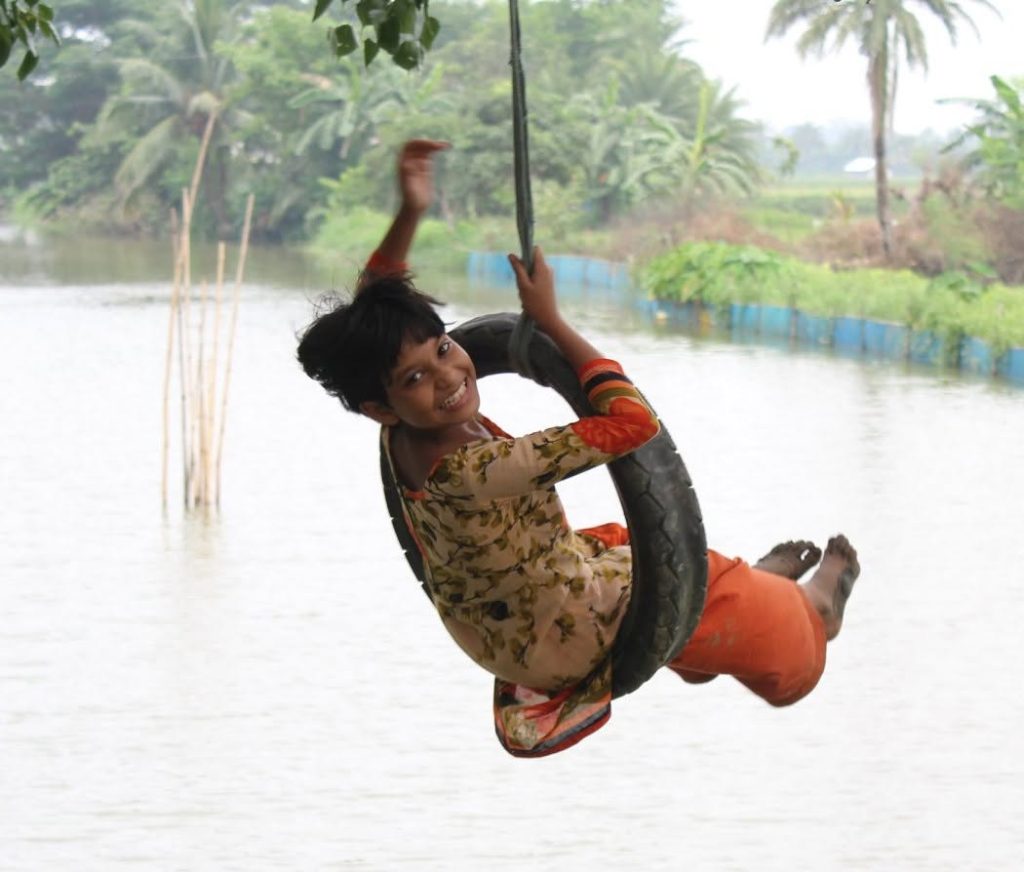
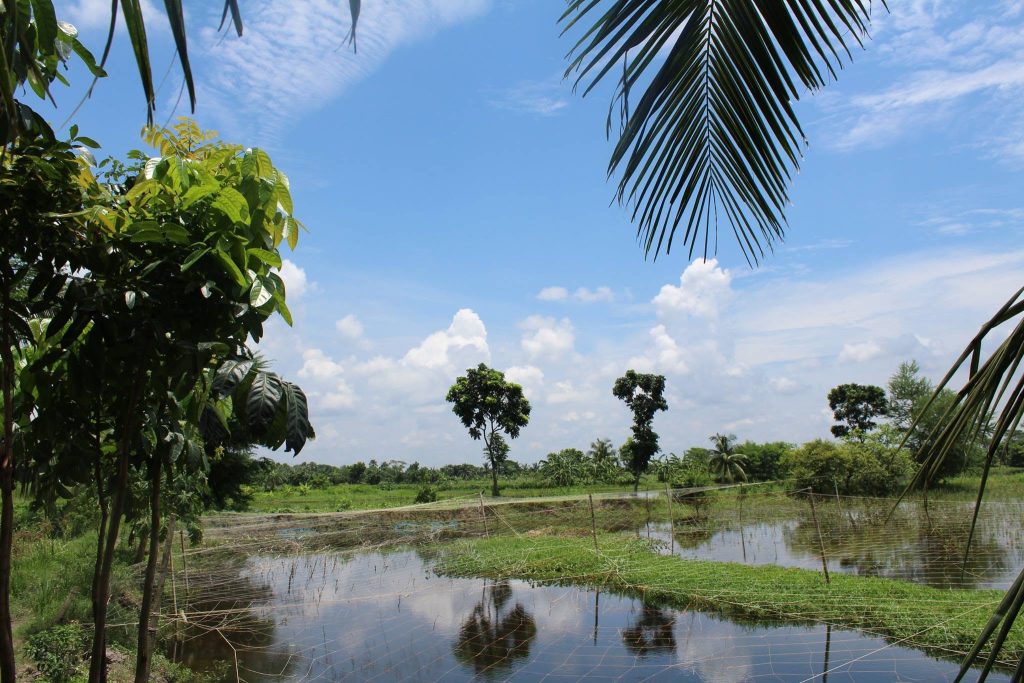
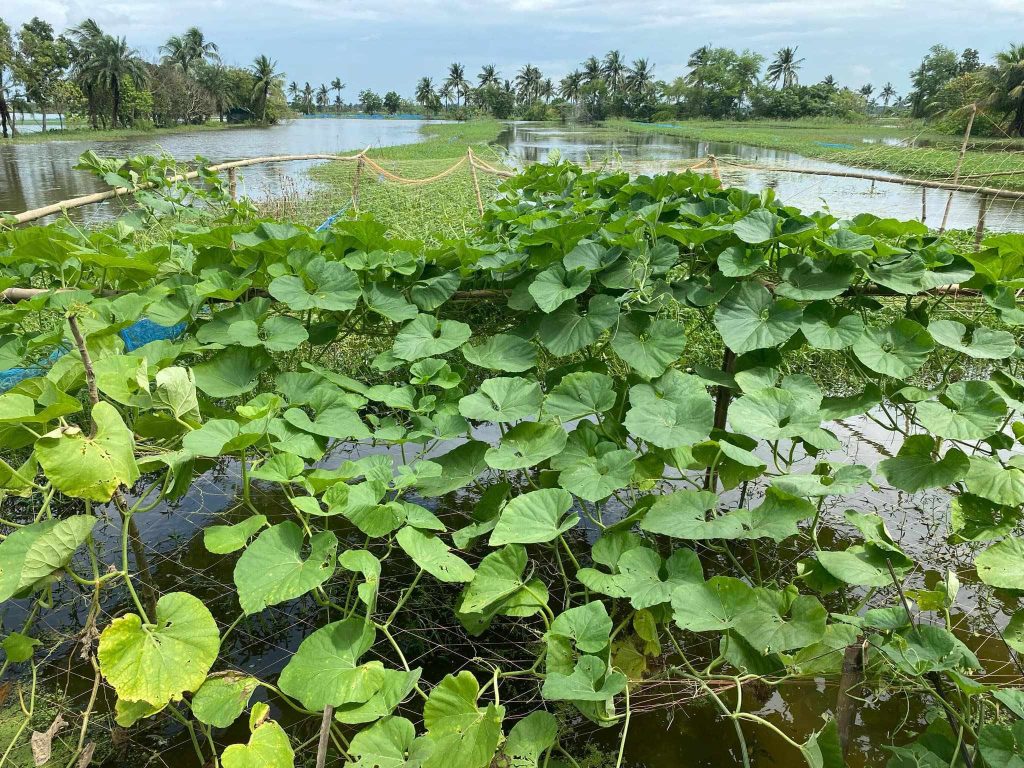
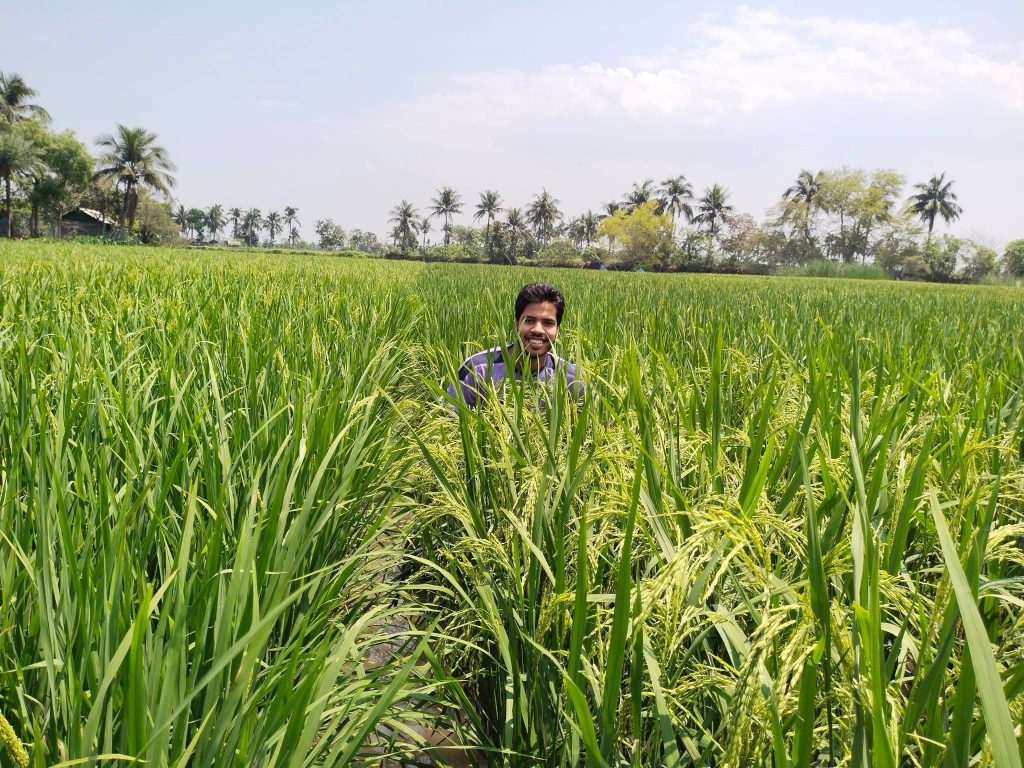
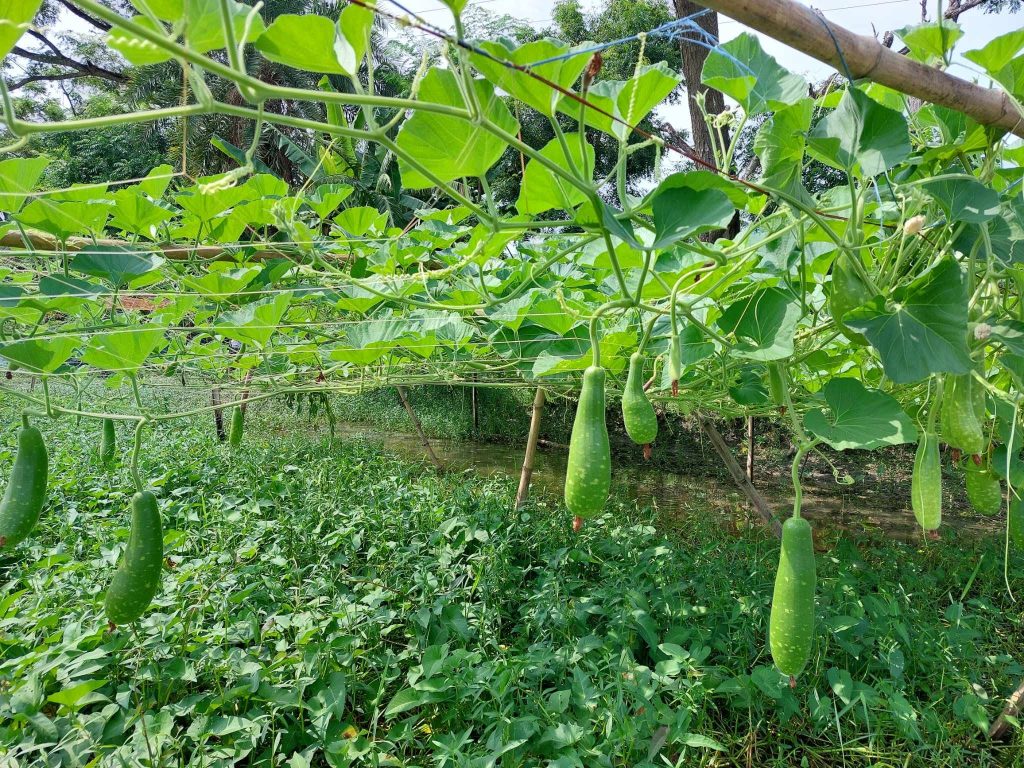
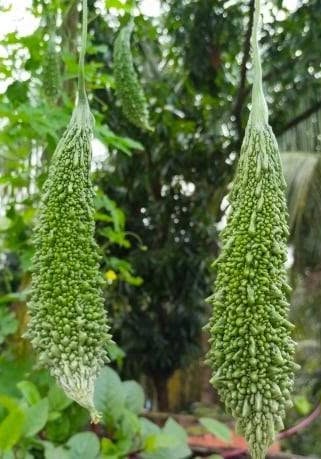
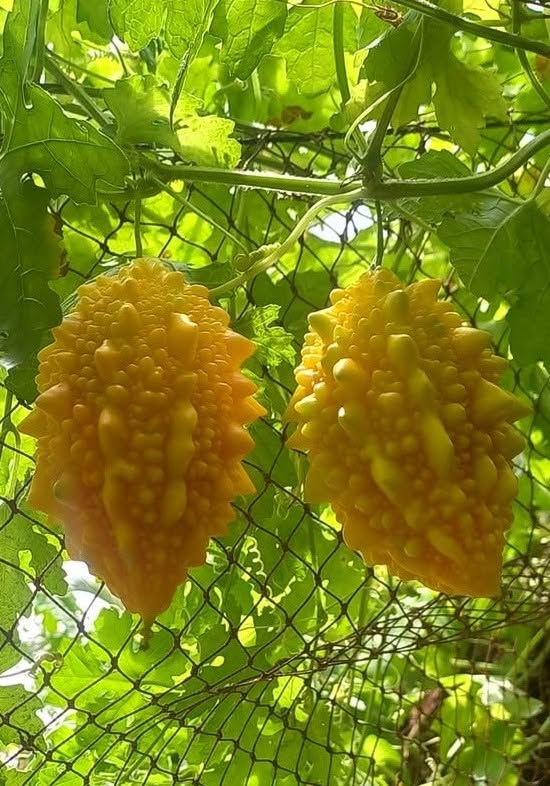
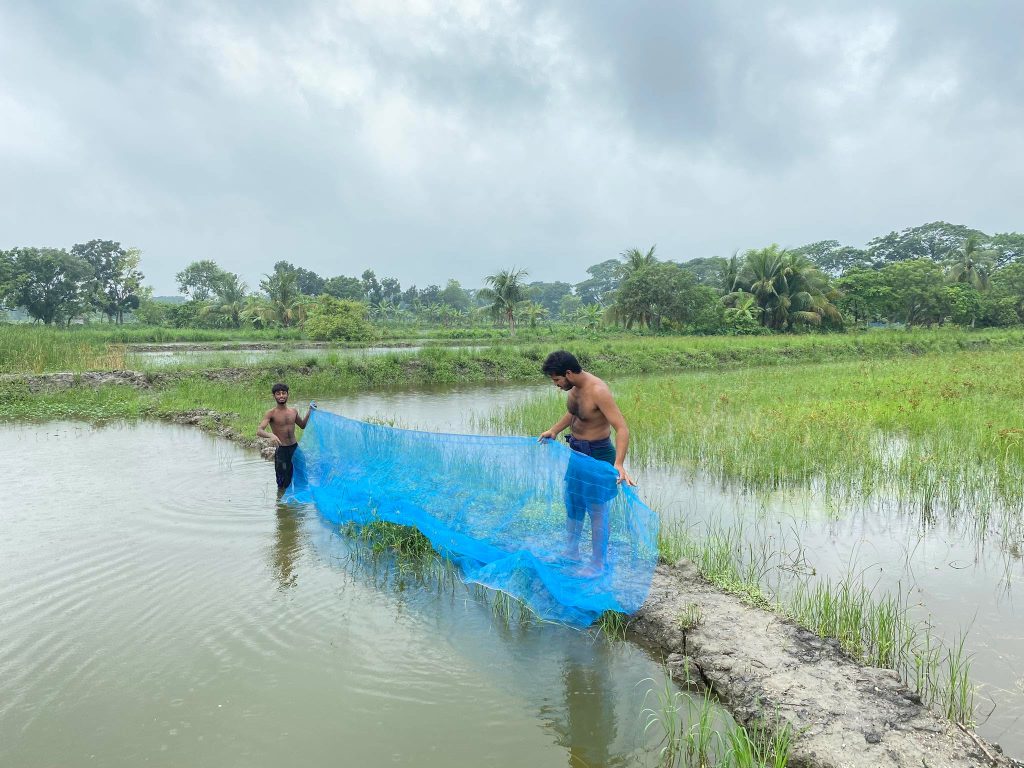
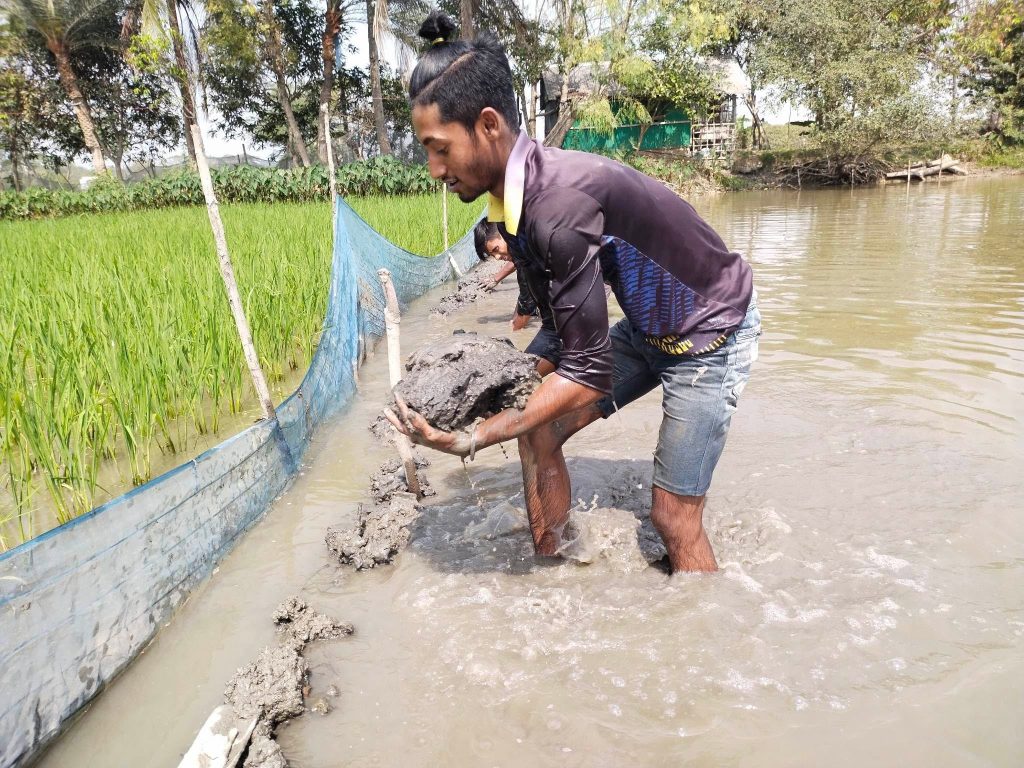
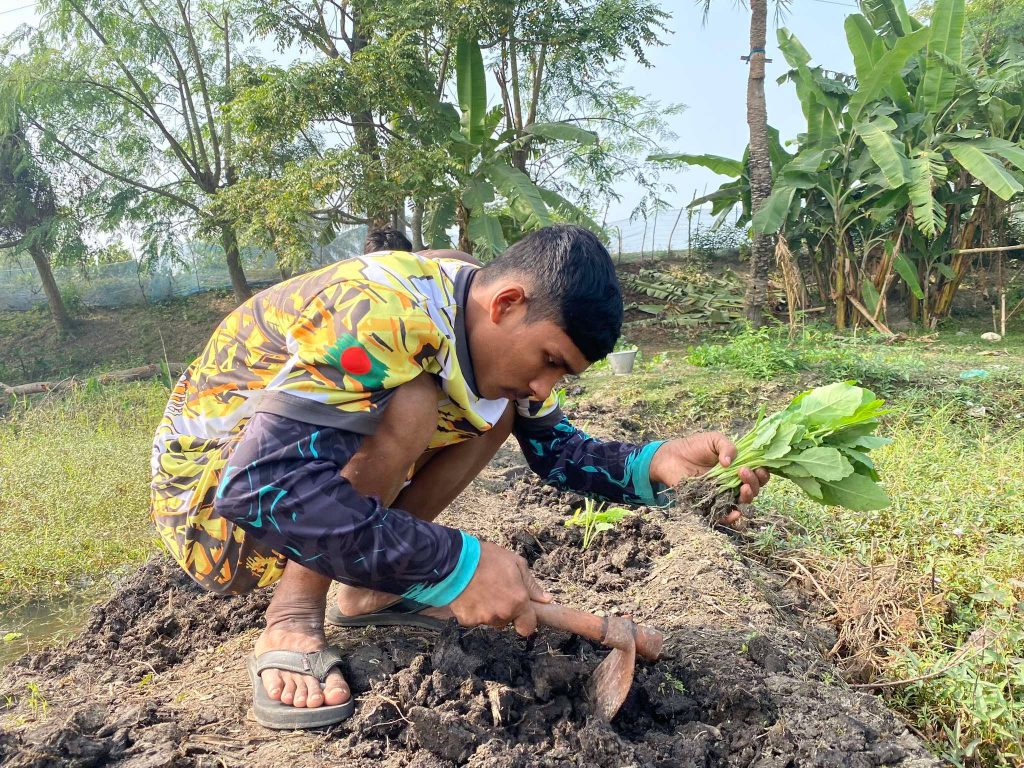
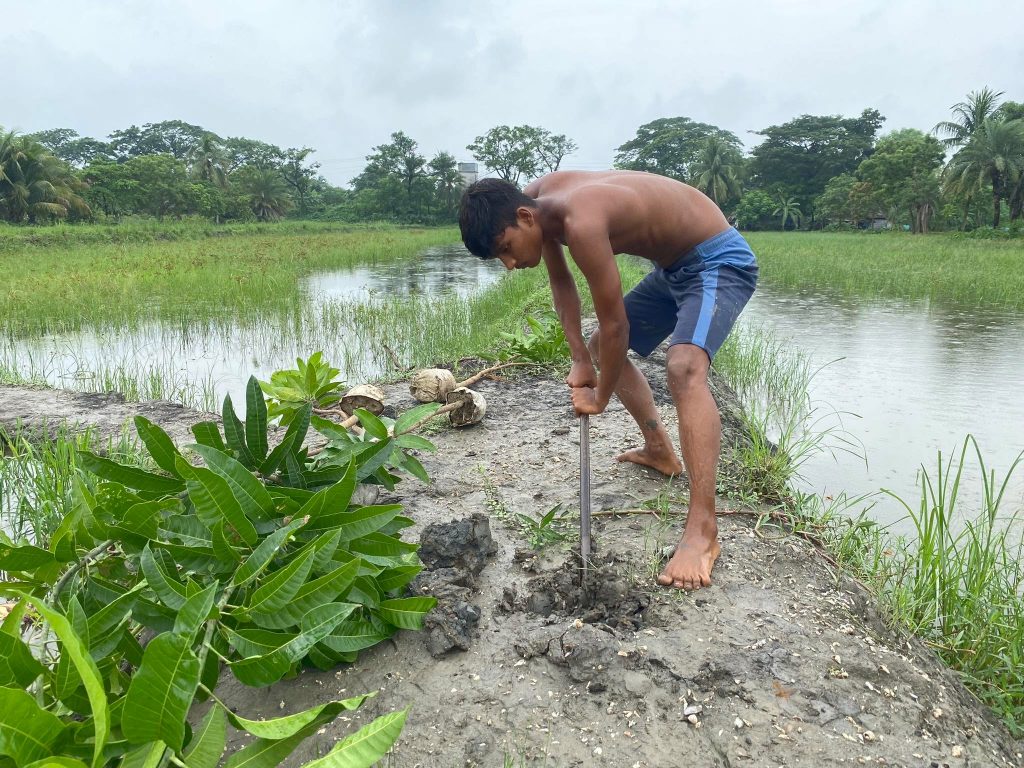
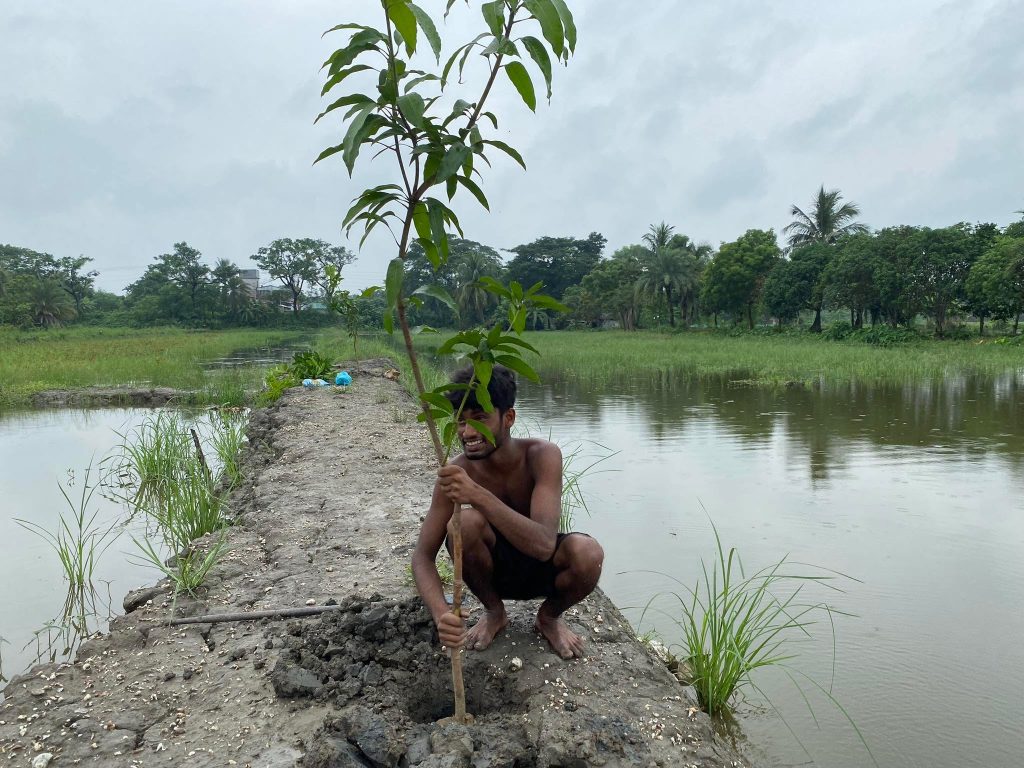
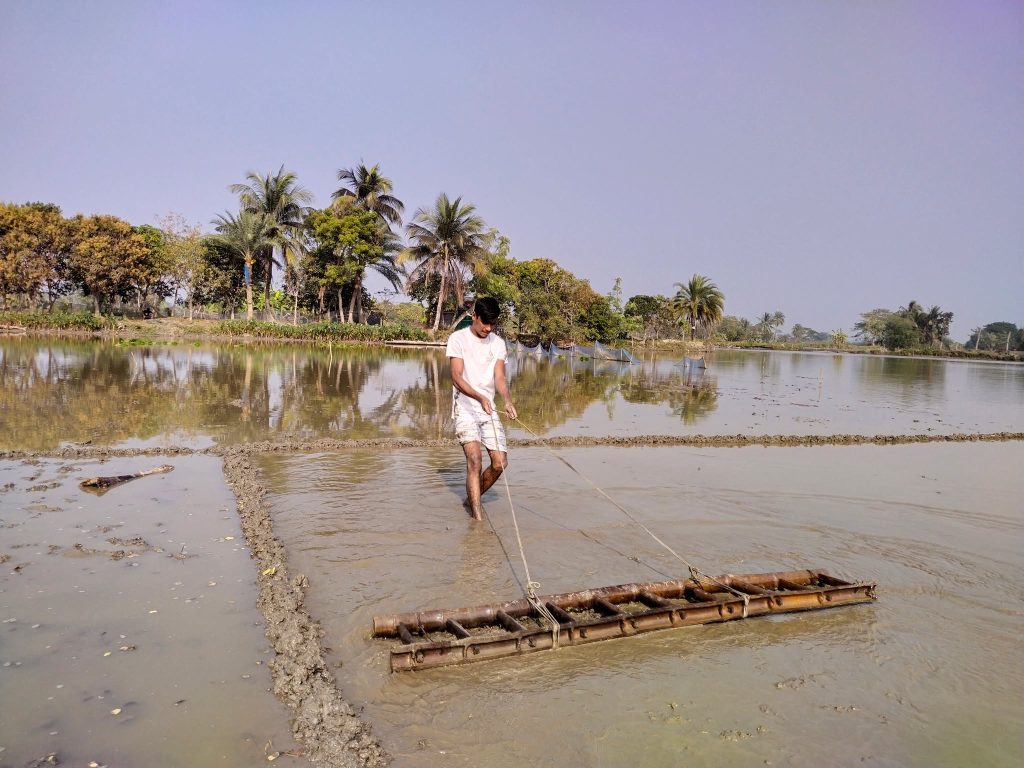
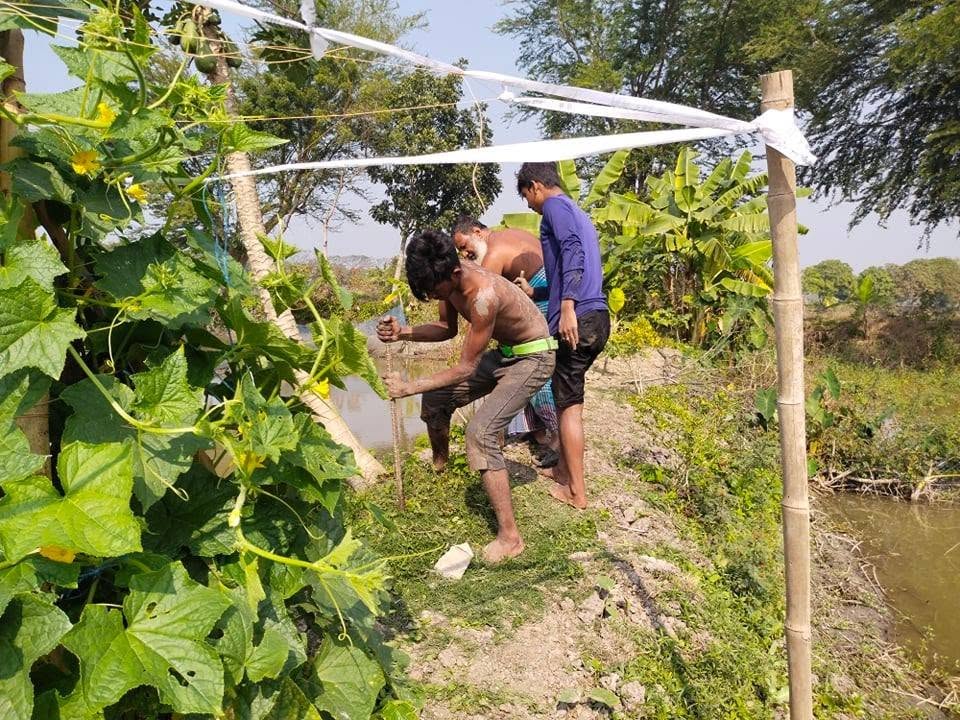
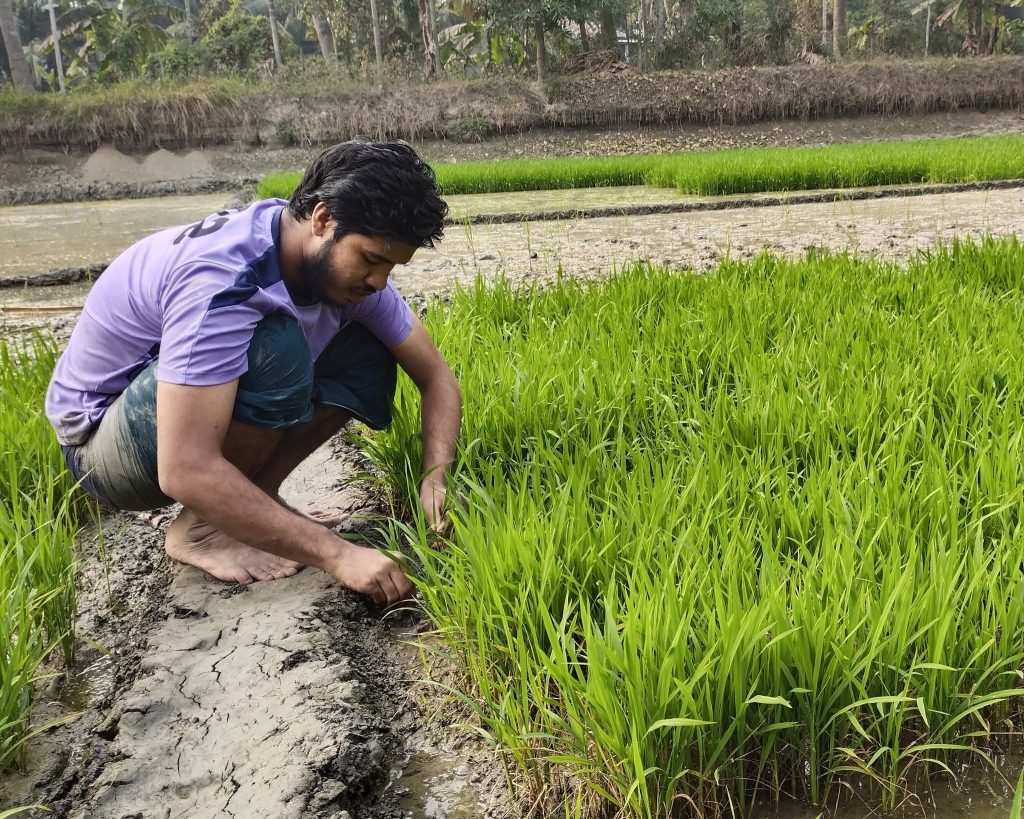
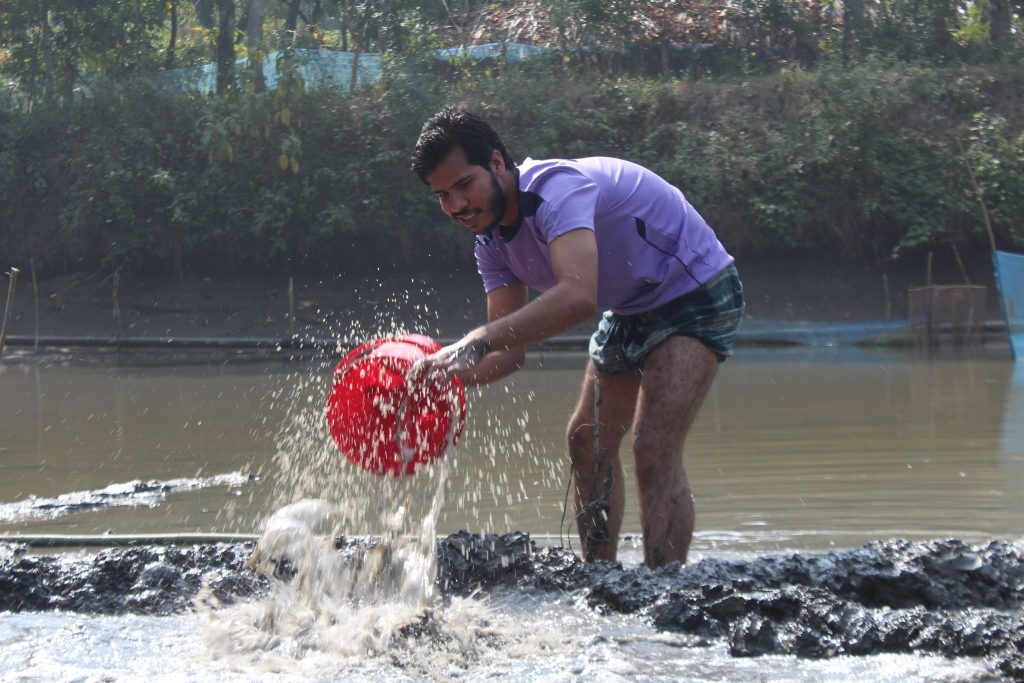
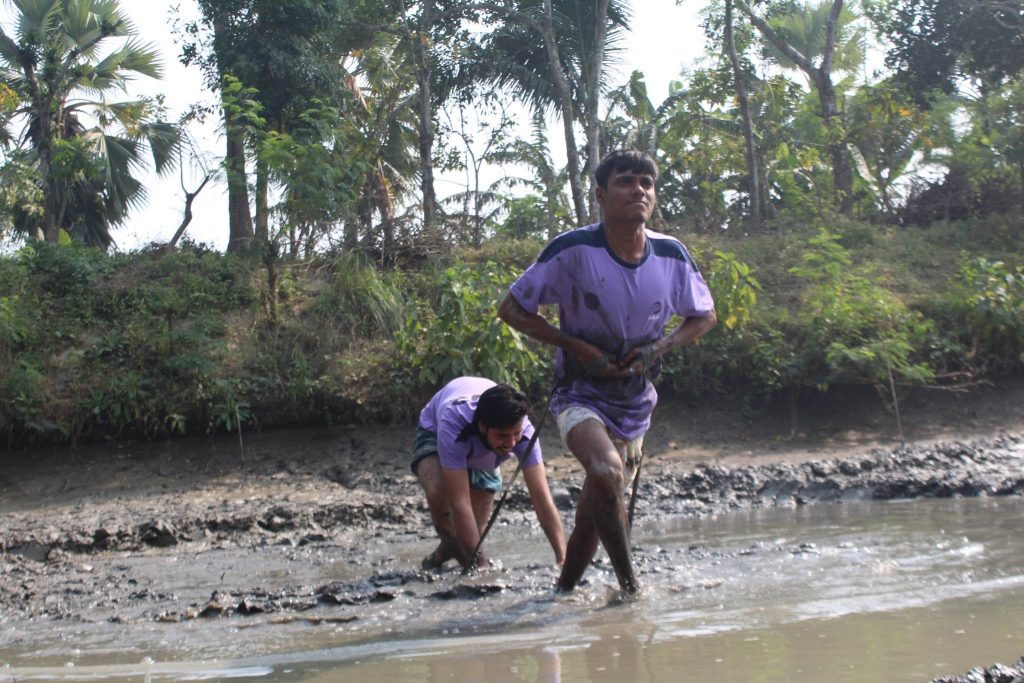
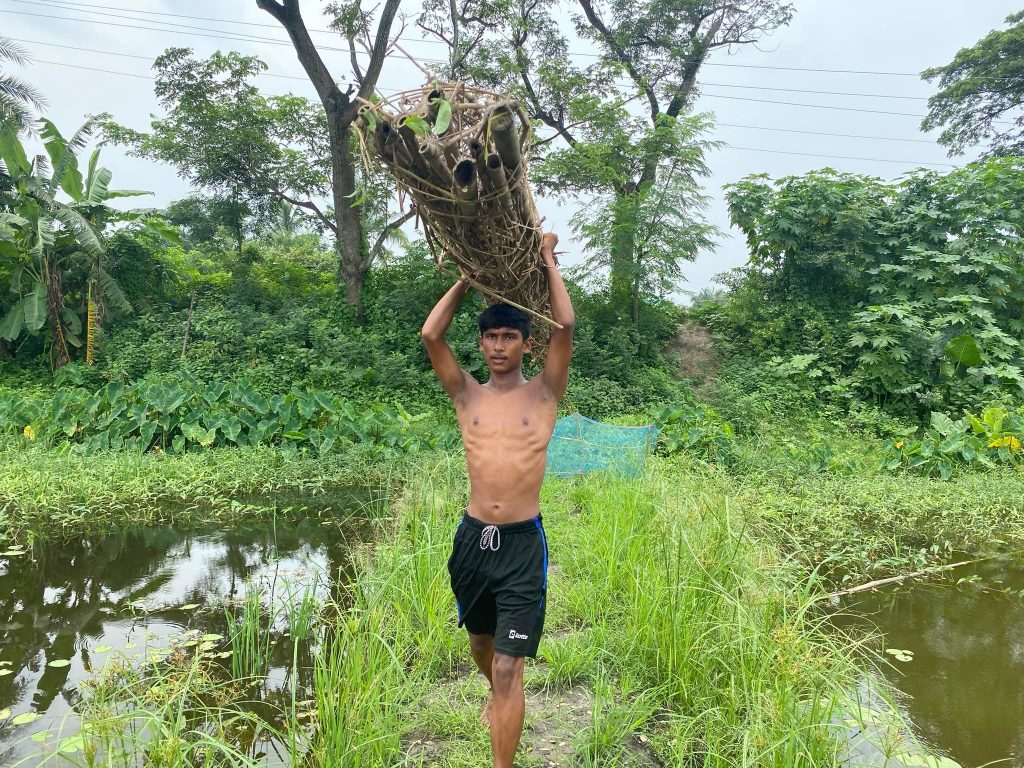
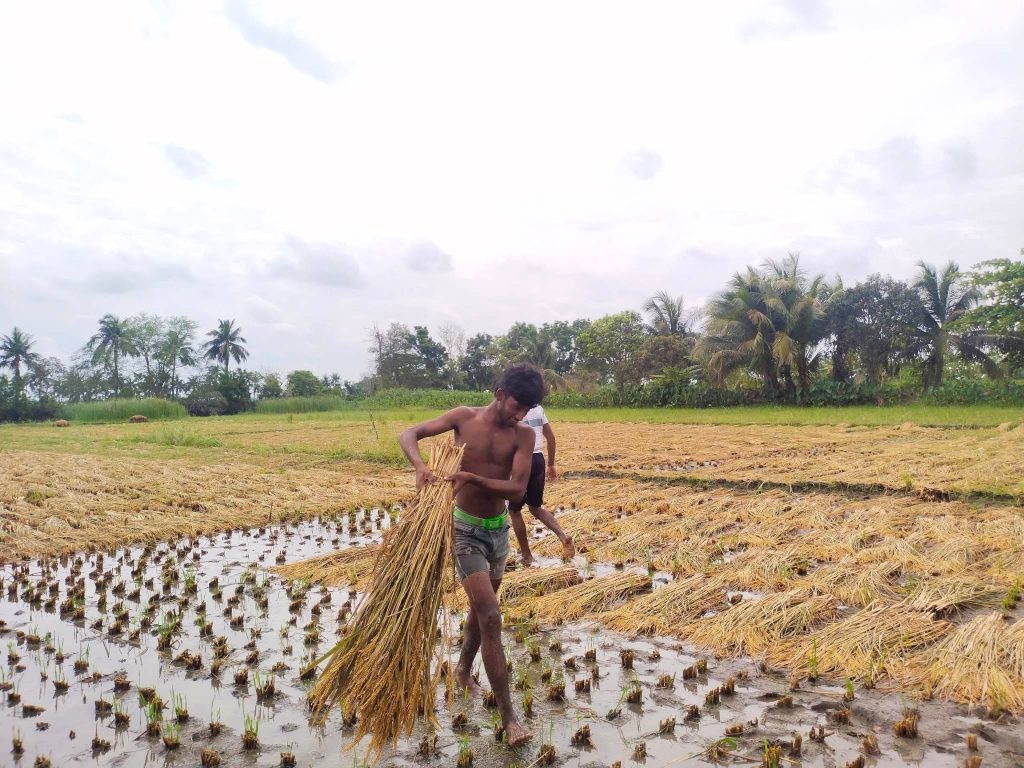
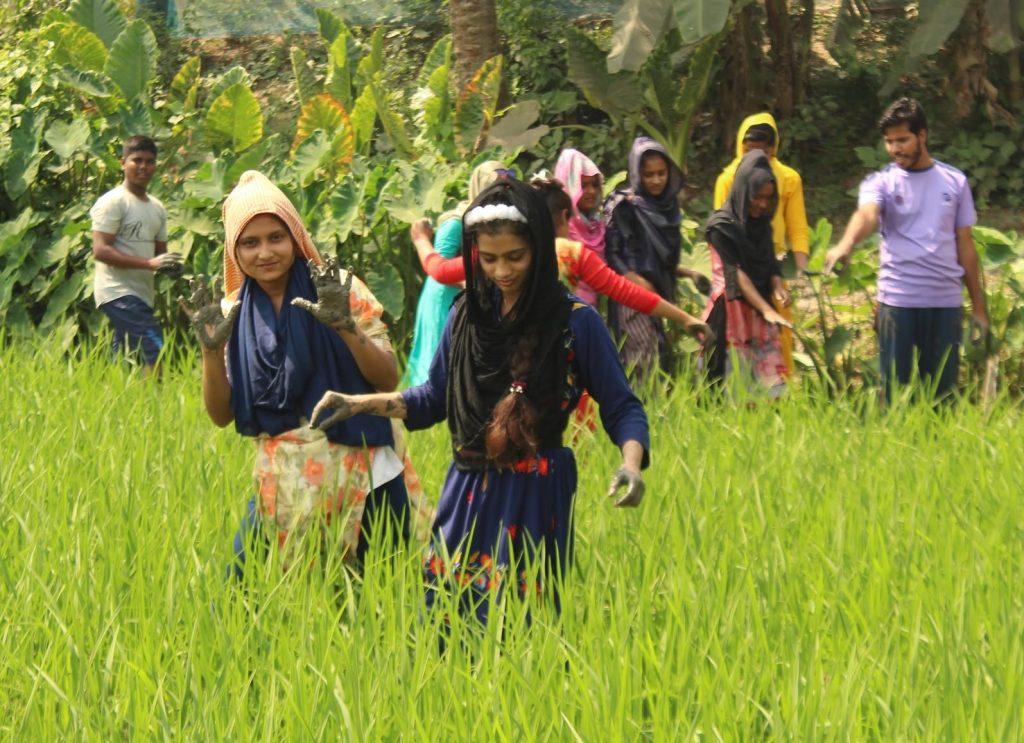
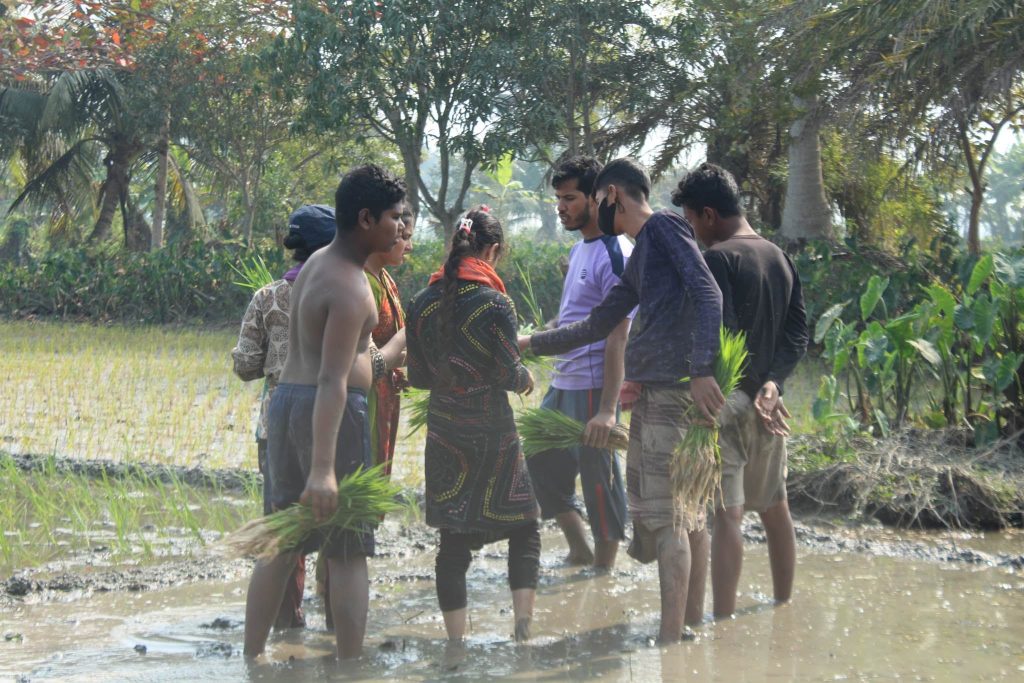
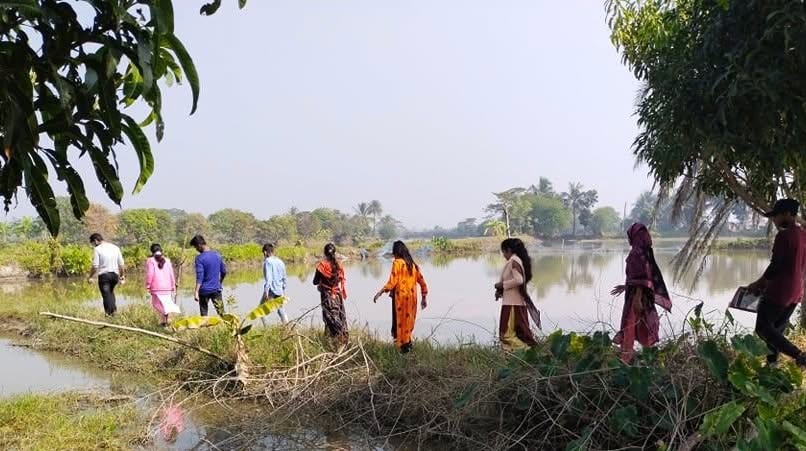
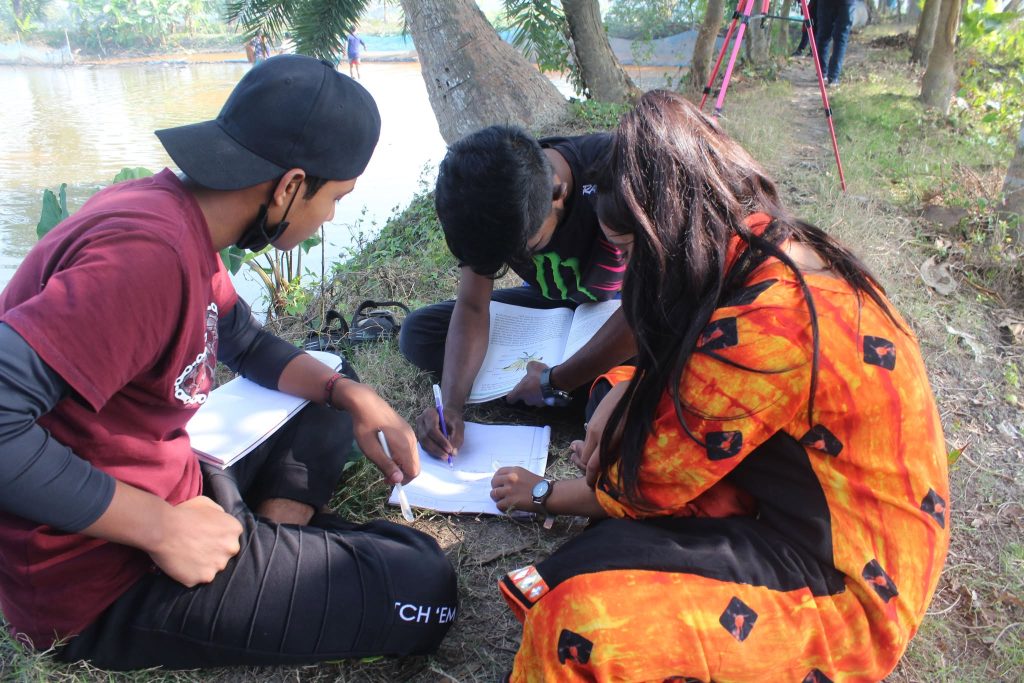
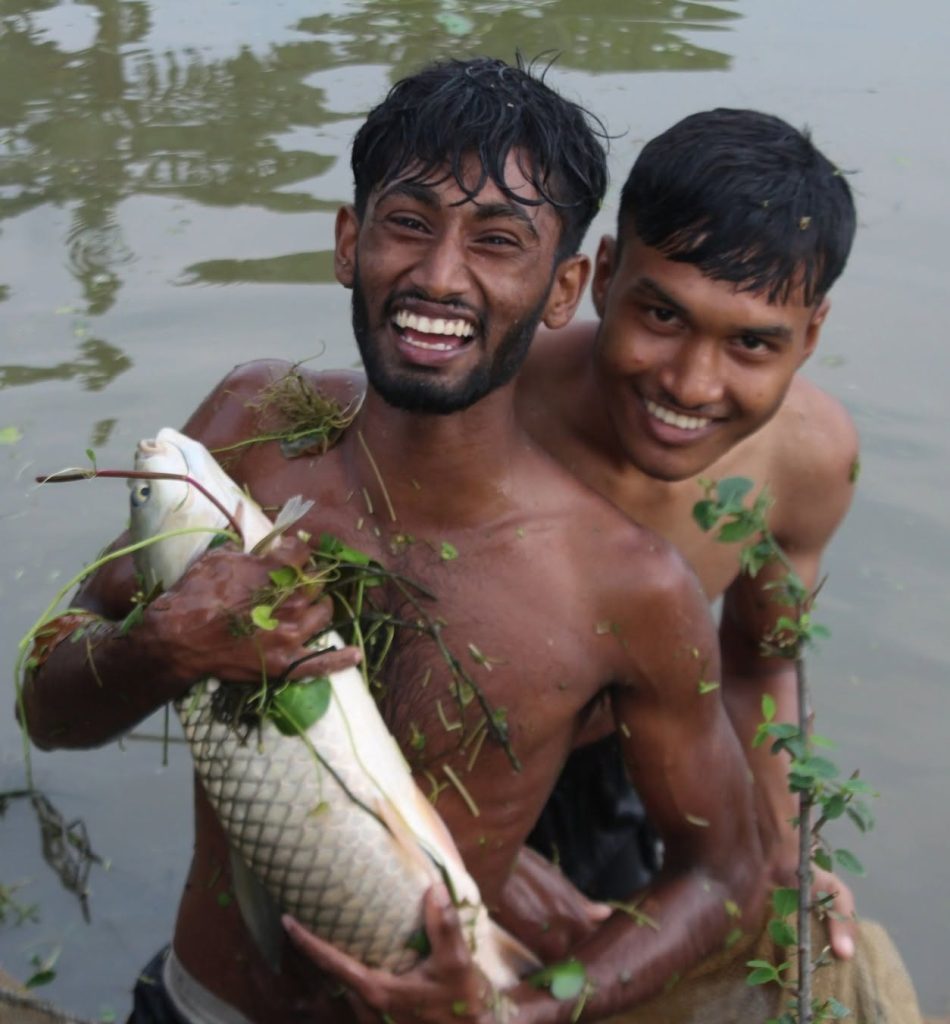
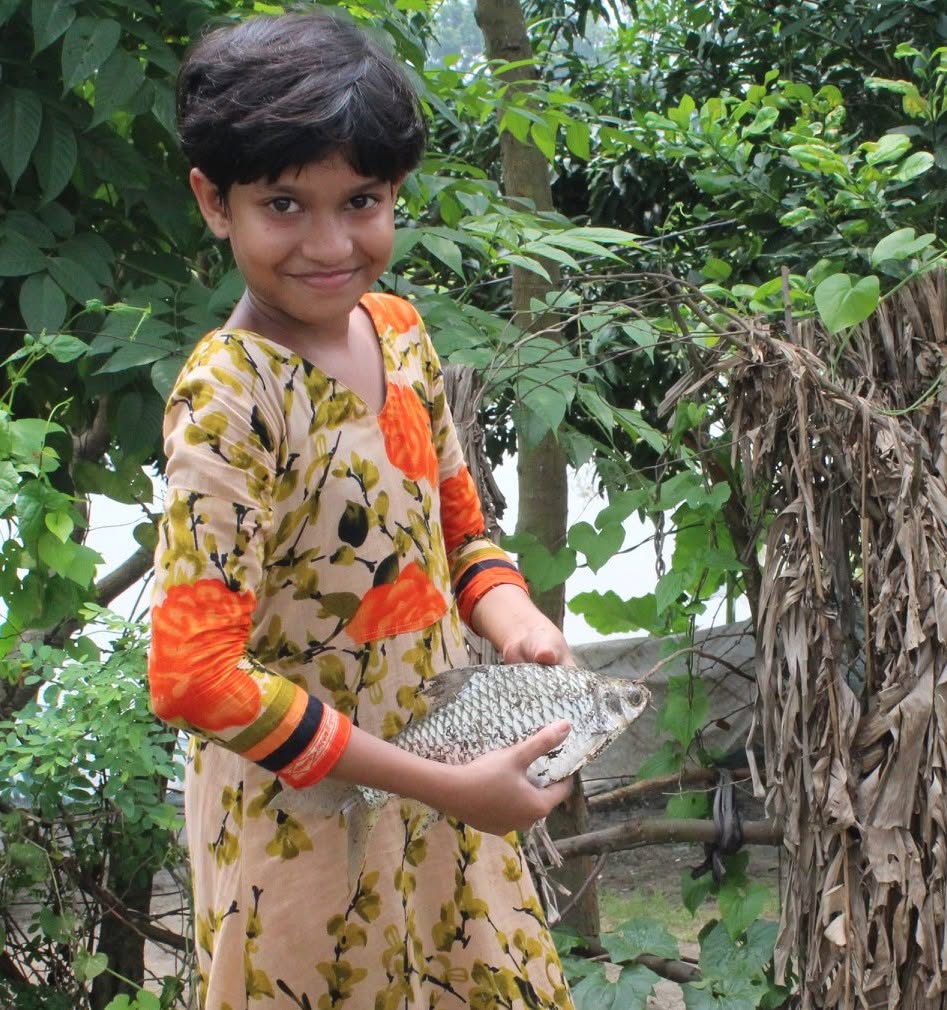
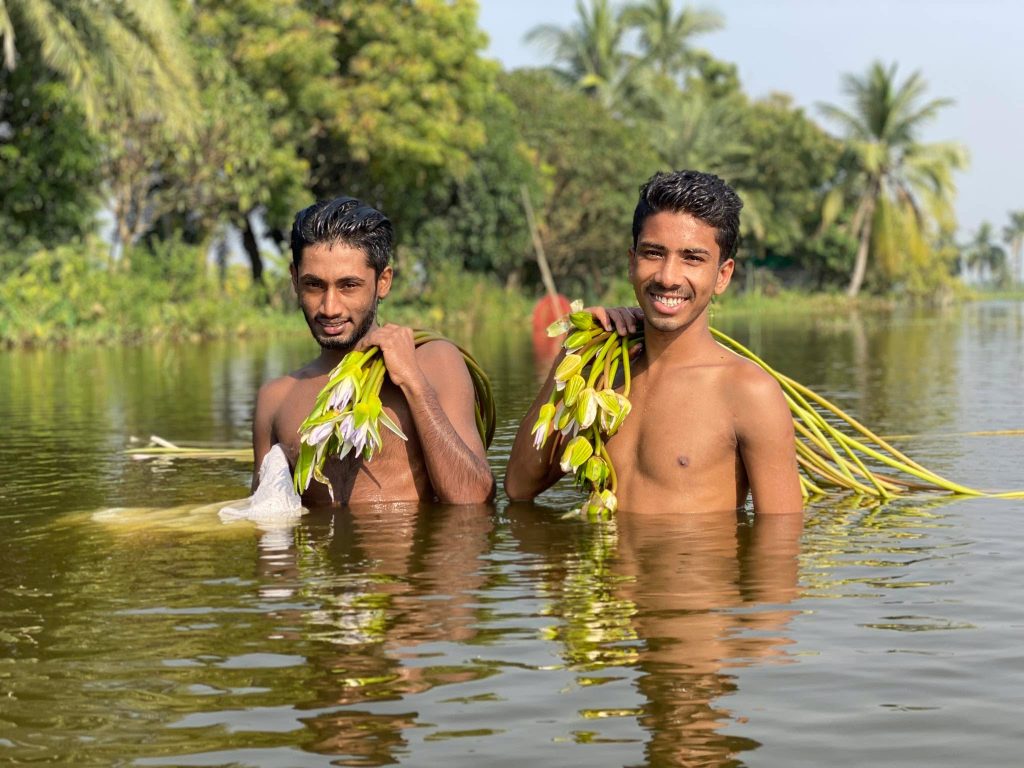
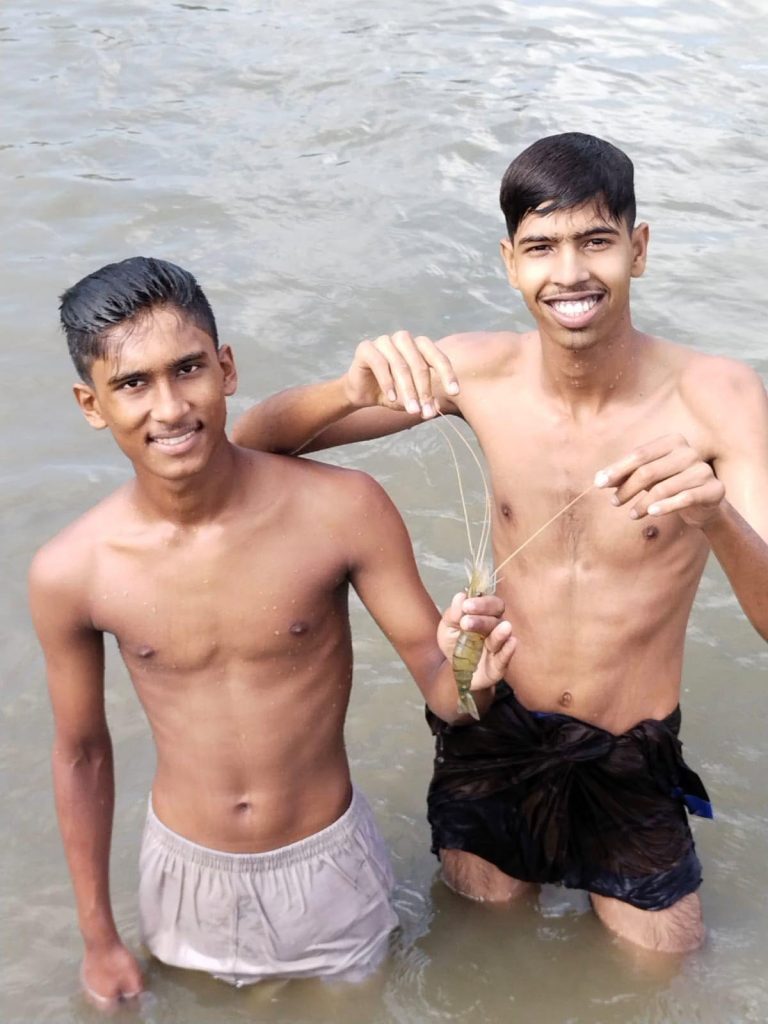
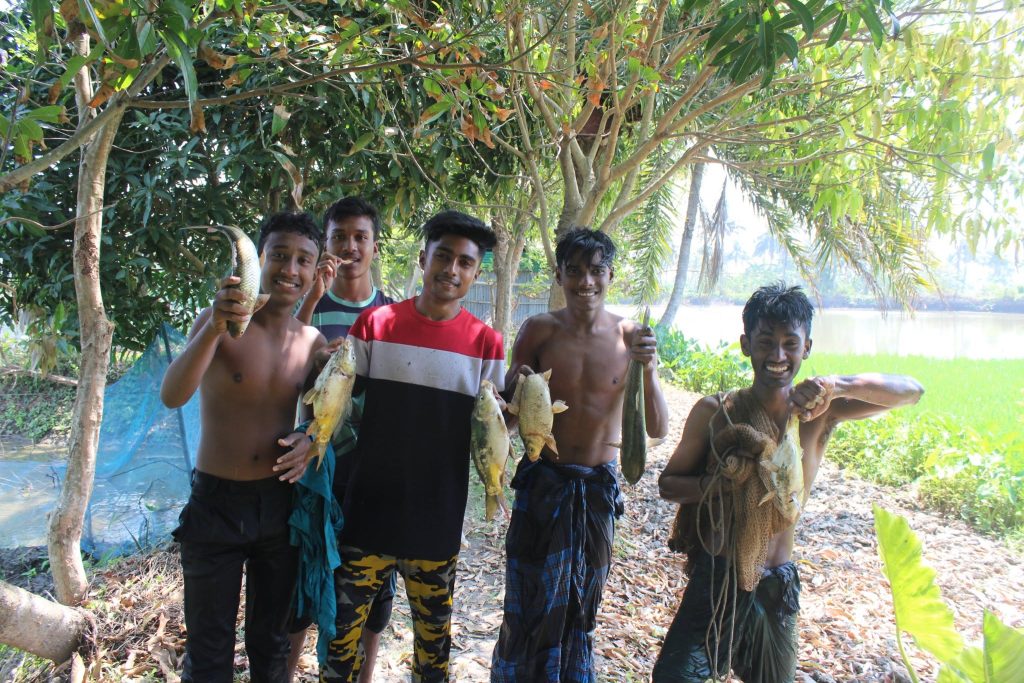
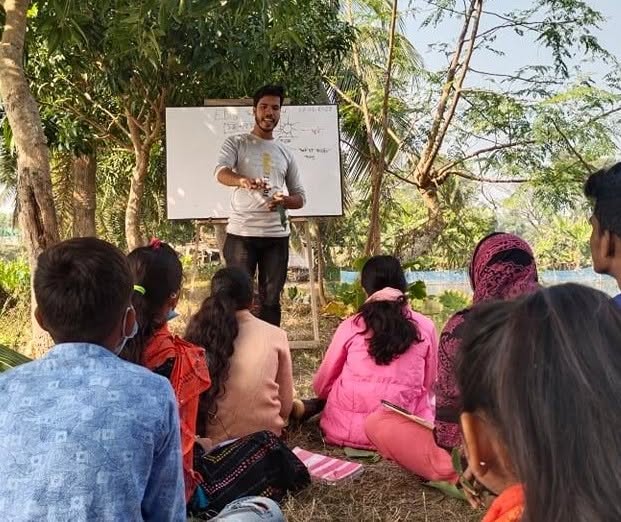
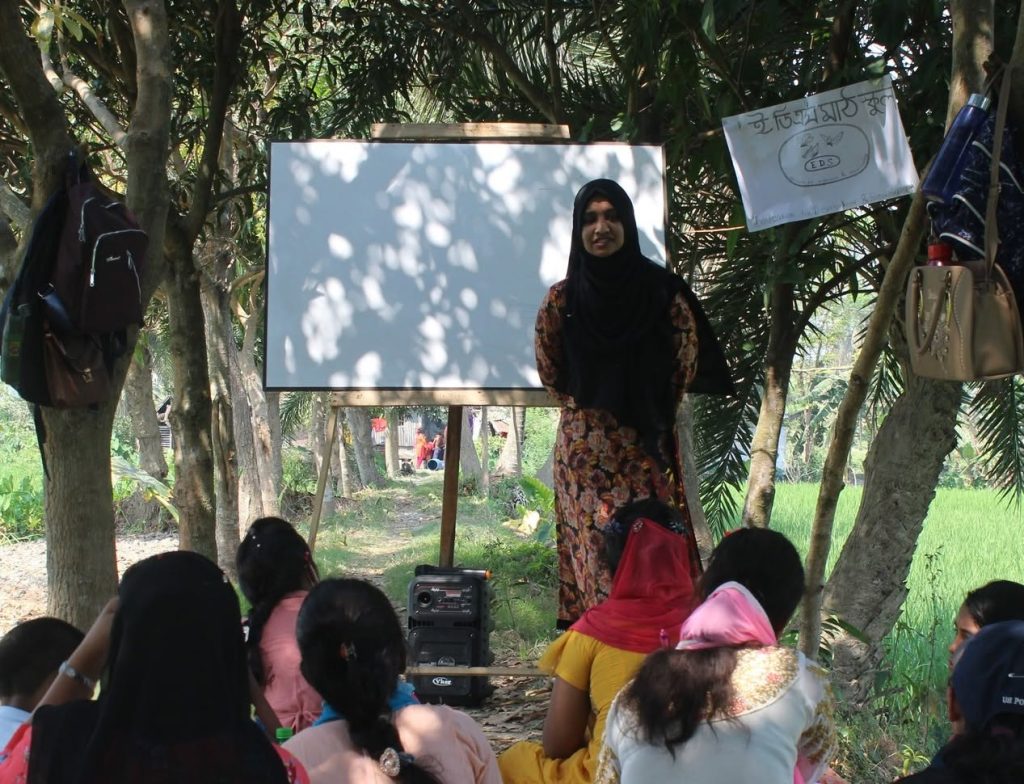
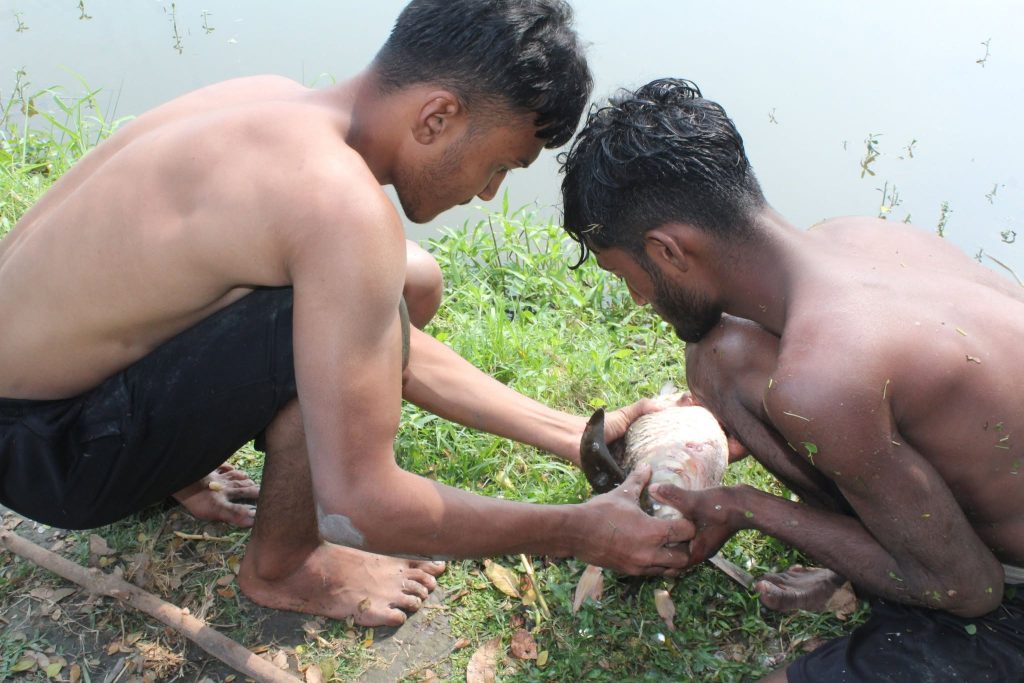
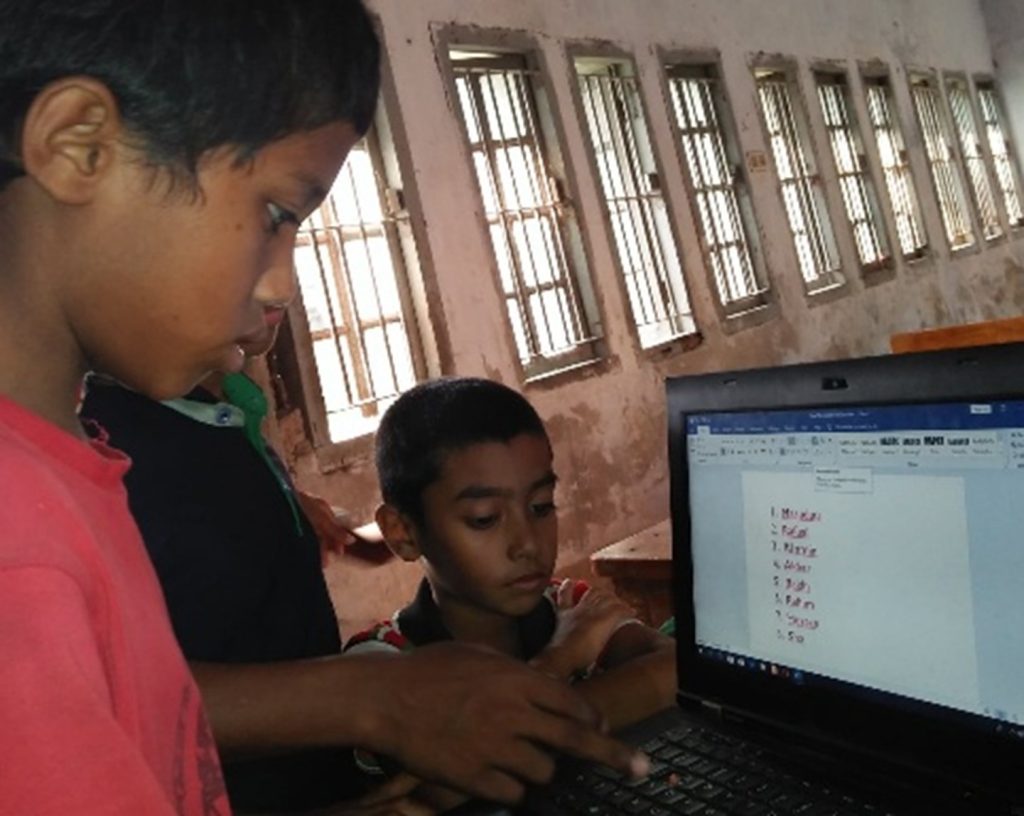
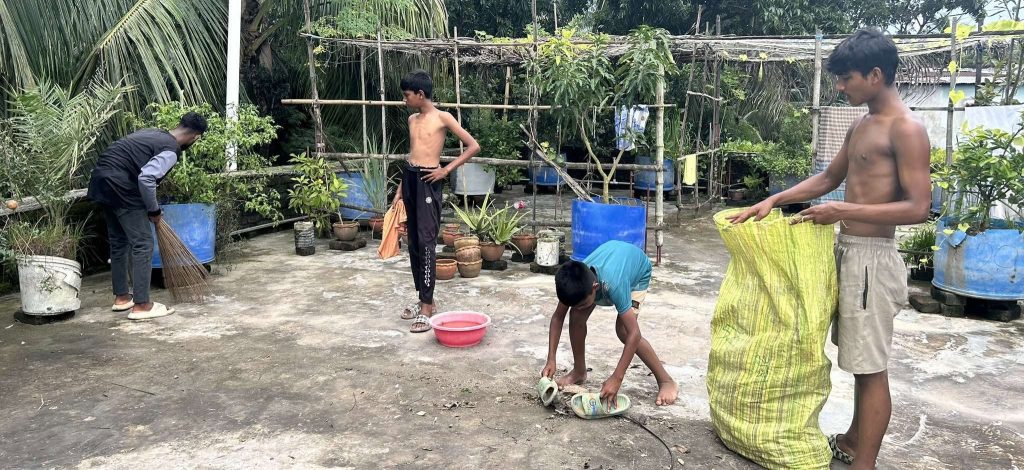
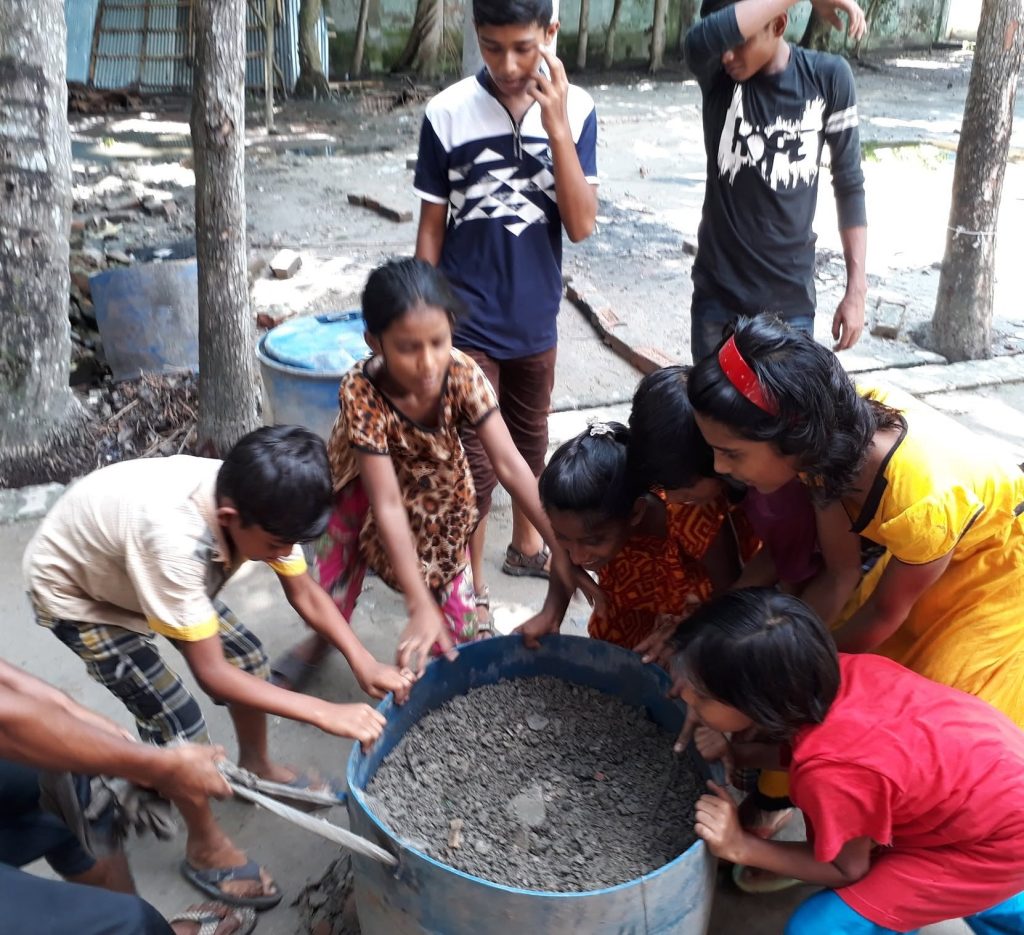
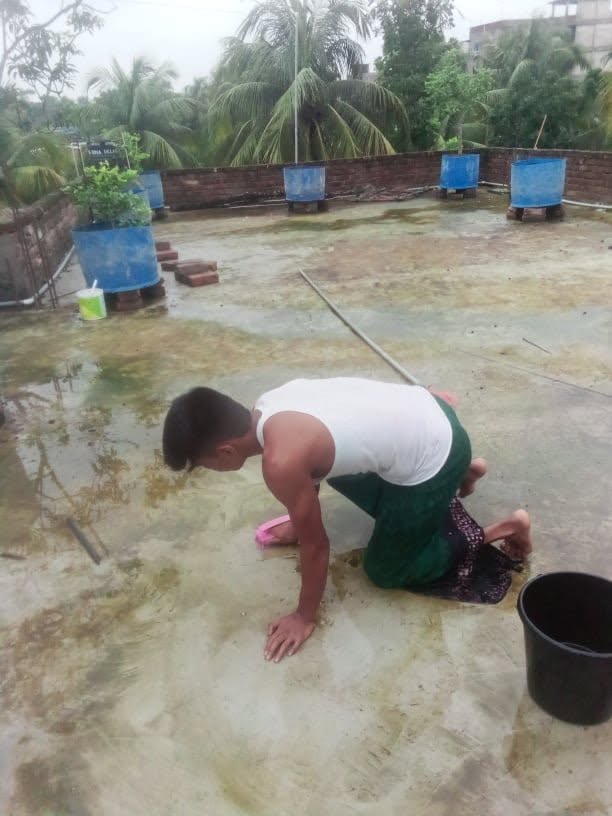
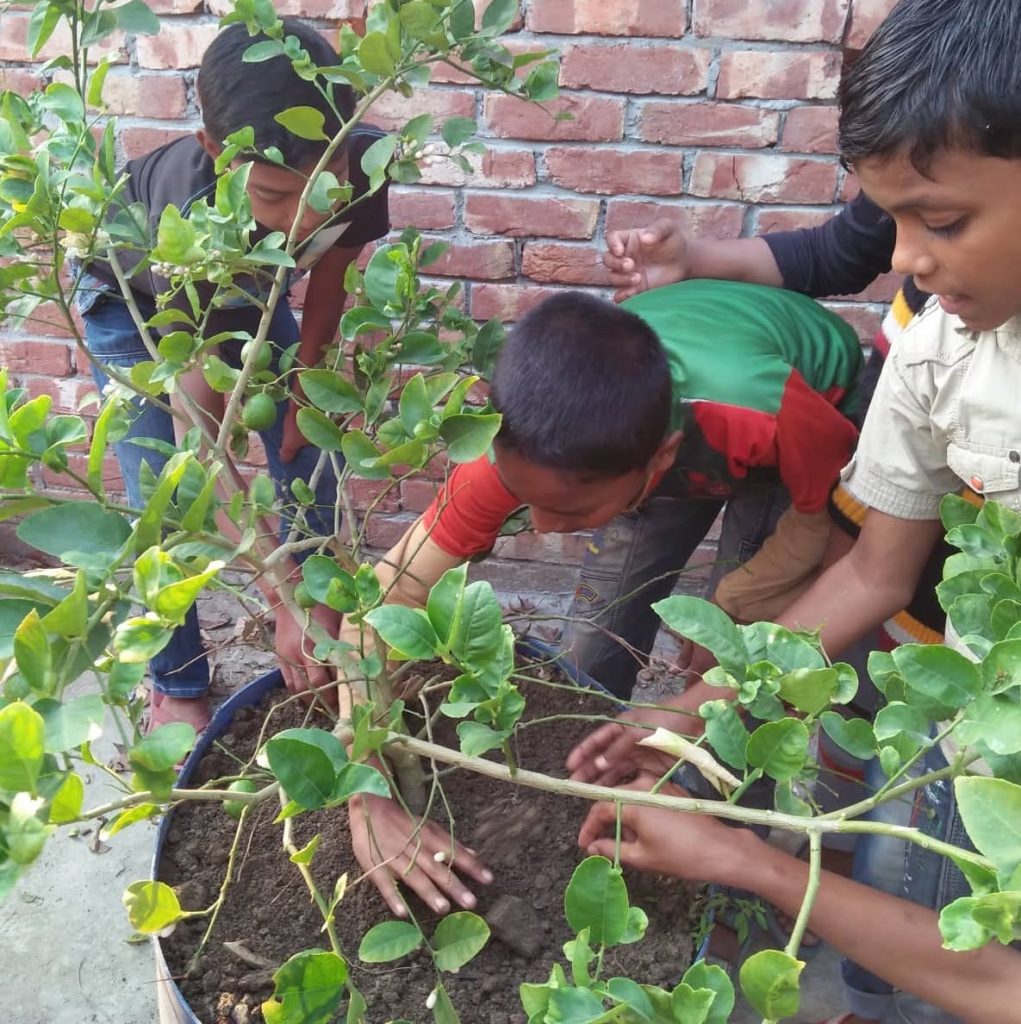
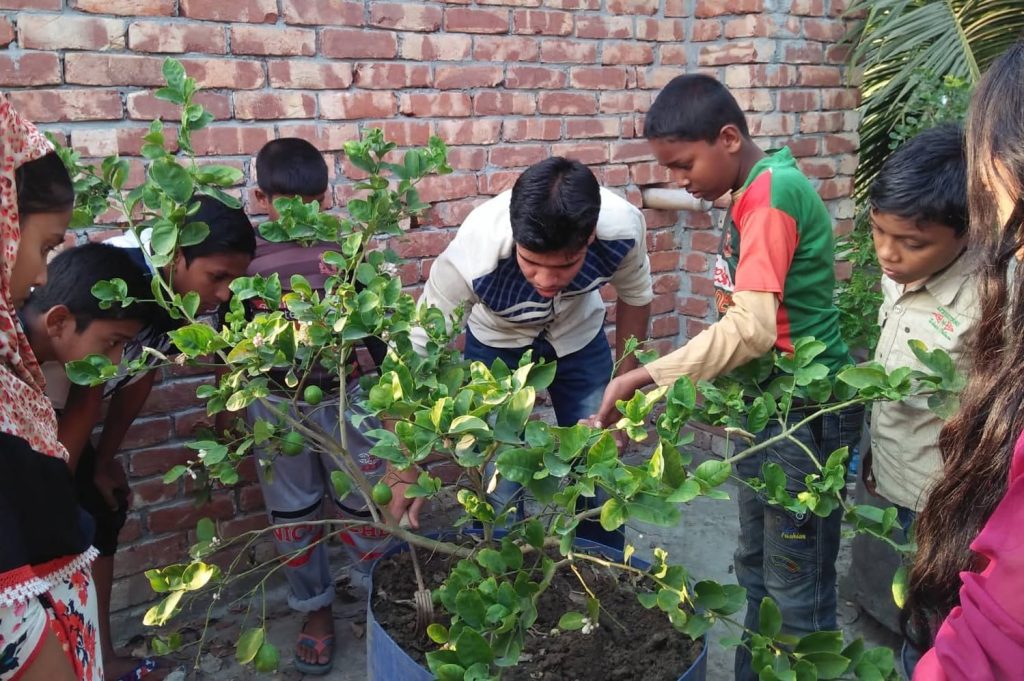
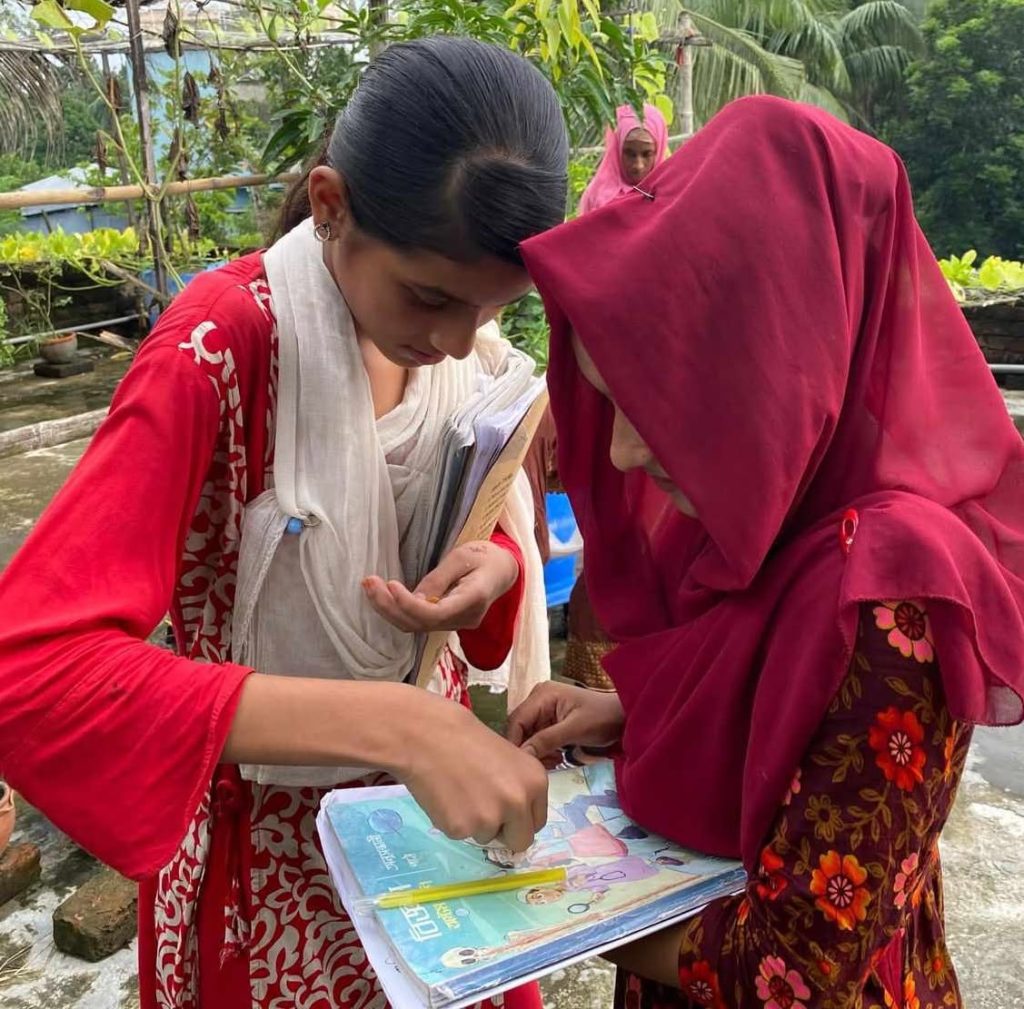
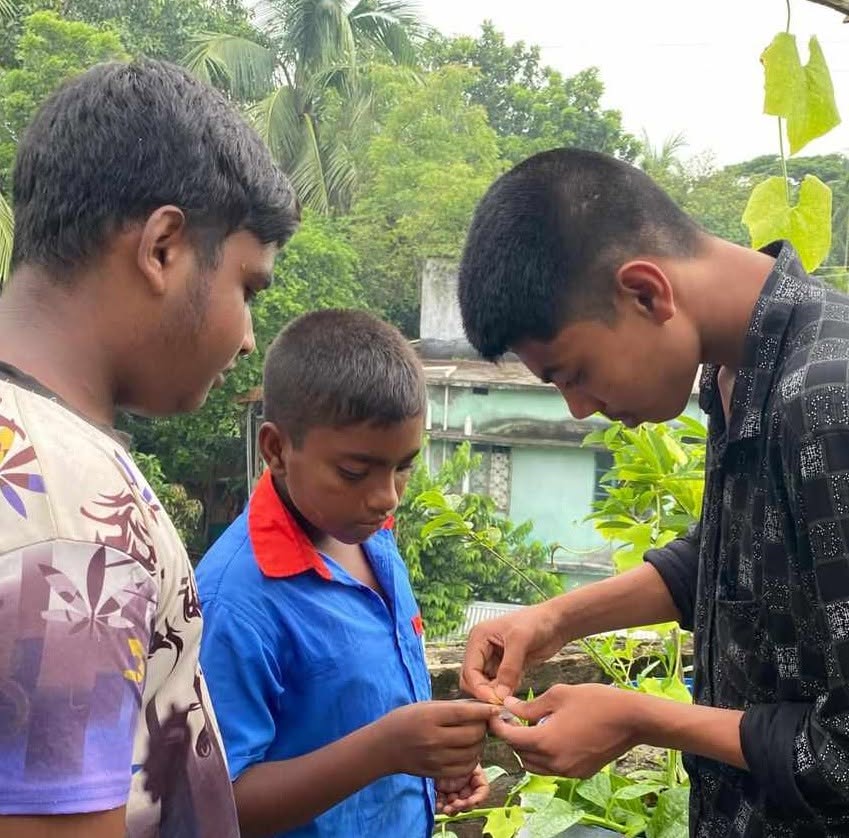
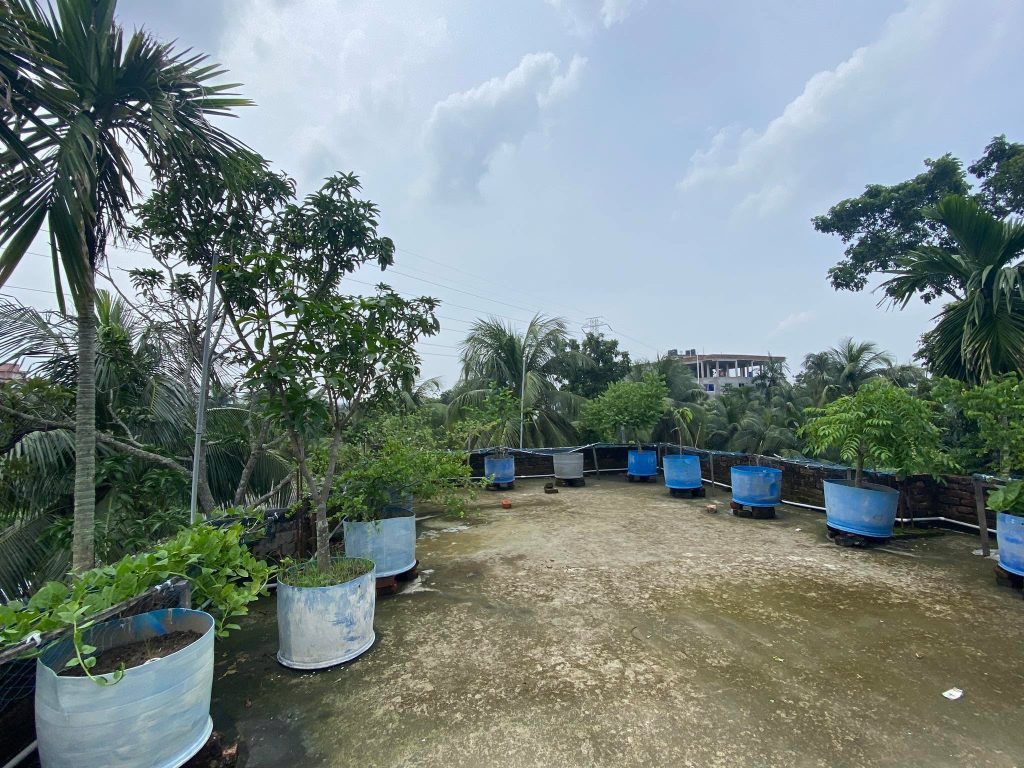
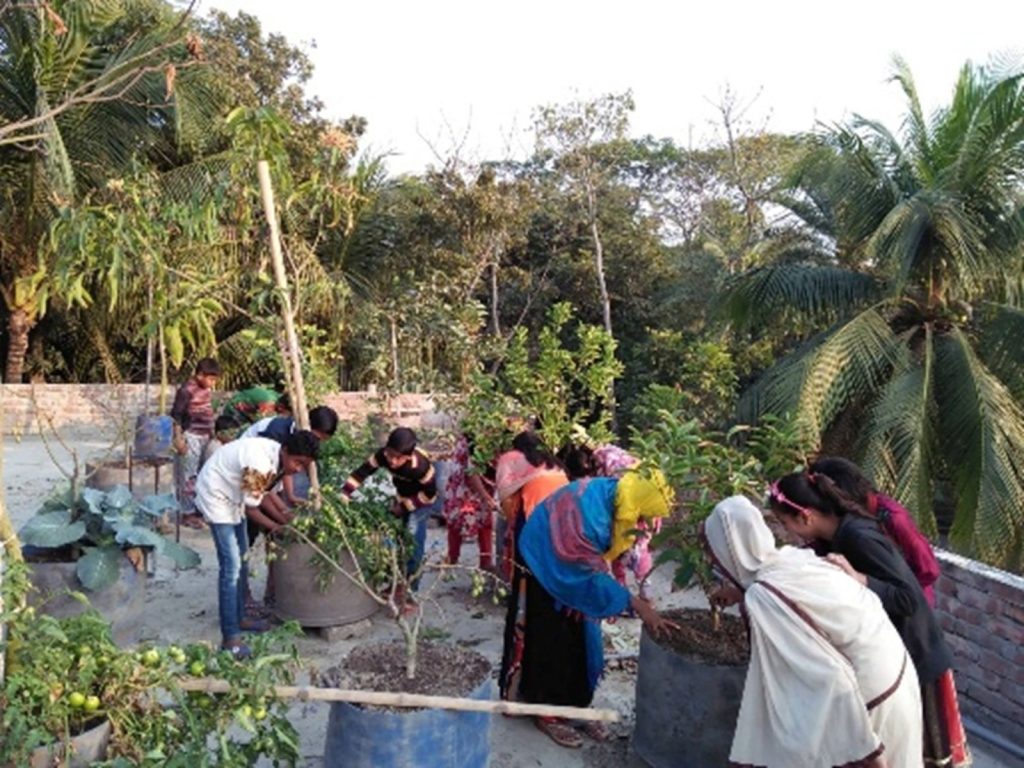
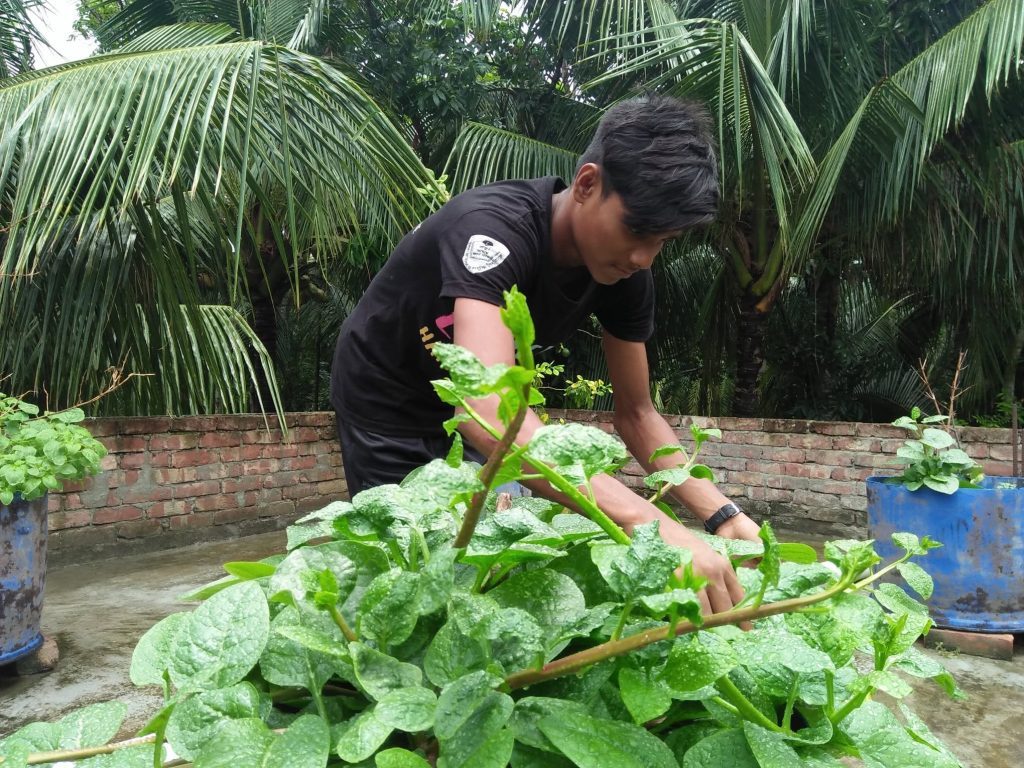
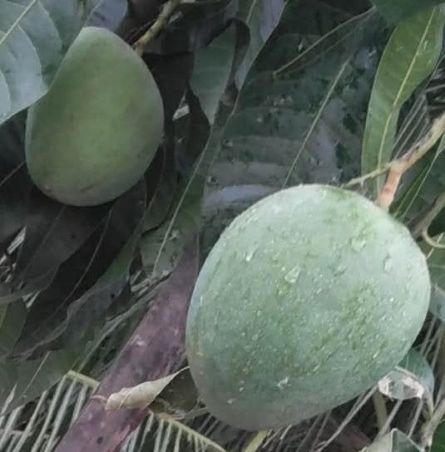
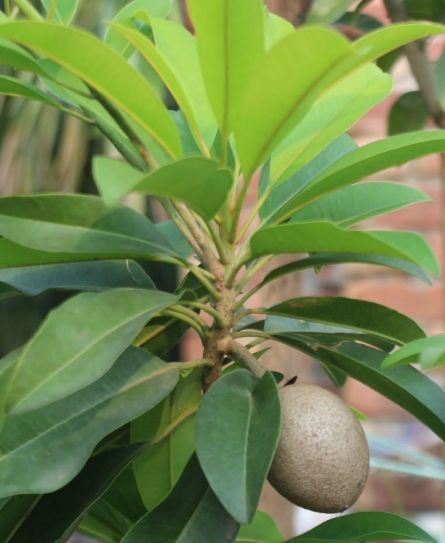
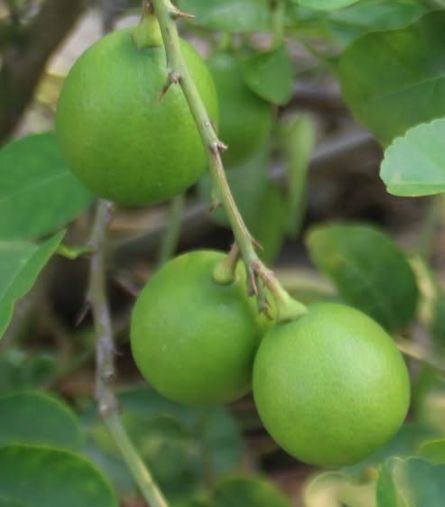
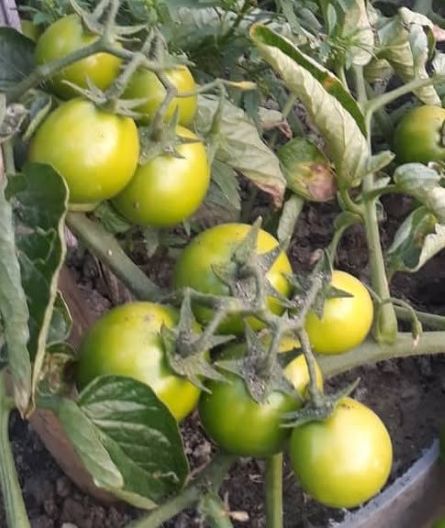
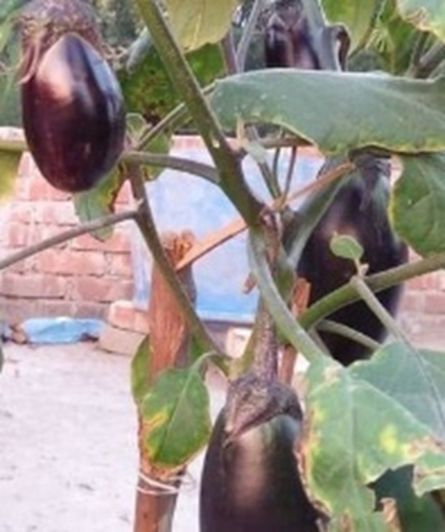
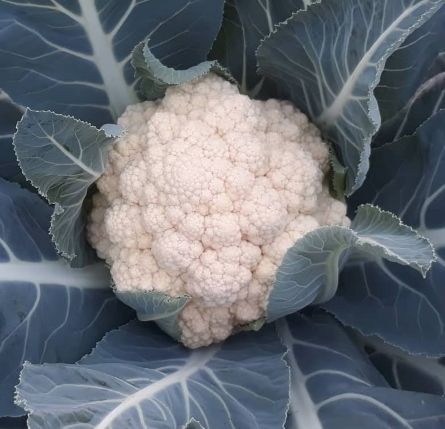
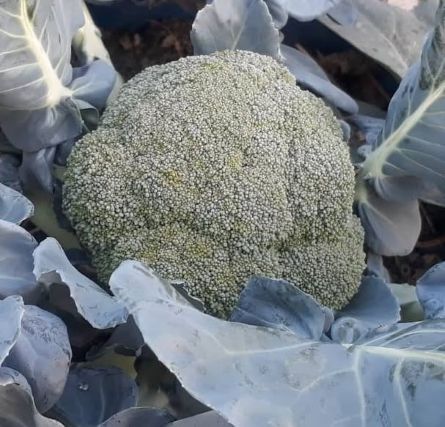
In EDS, we use our farm and ICT as learning arenas. In the EDS farm, children and youth get full responsibility to cultivate and harvest rice, vegetables, fish, shrimp and fruits from out fruit trees. They use ICT to plan, budget and keep accounts, they implement their ideas, observe their actions and results, reflect critically, learn and use this as a base for replanning.
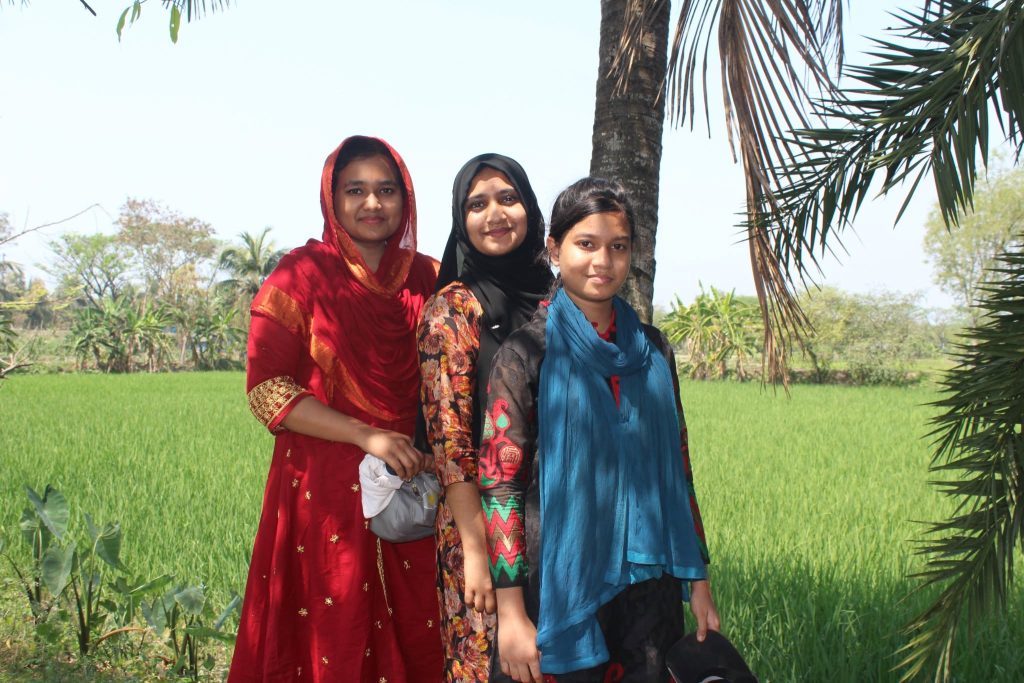
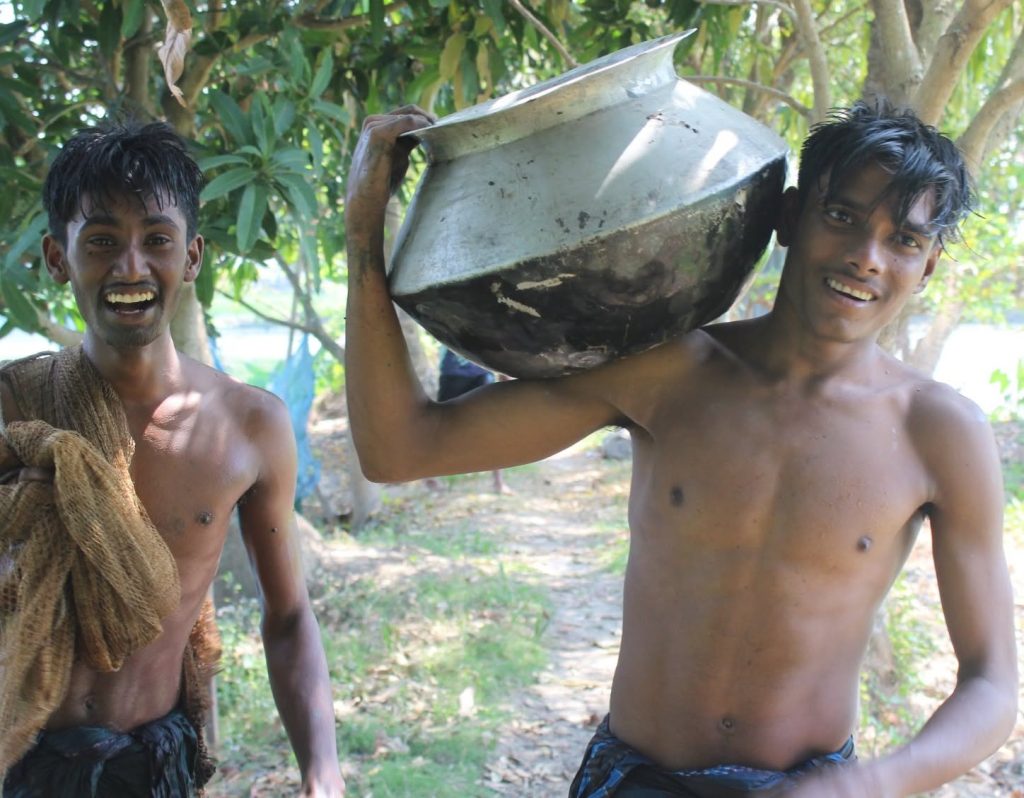
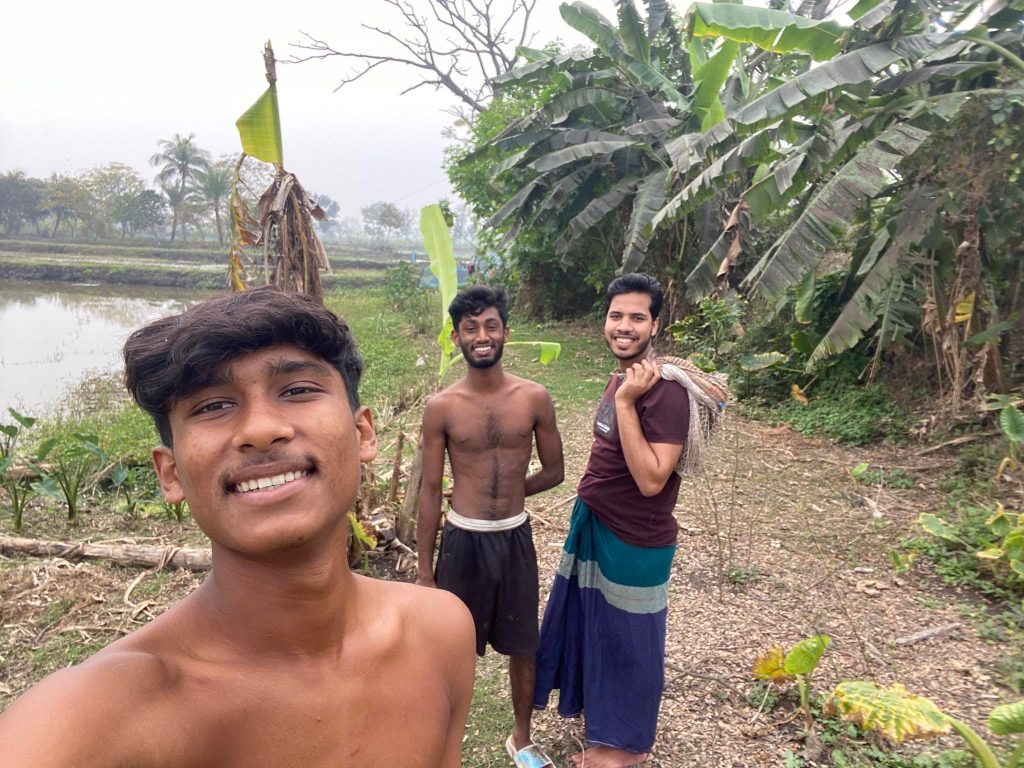
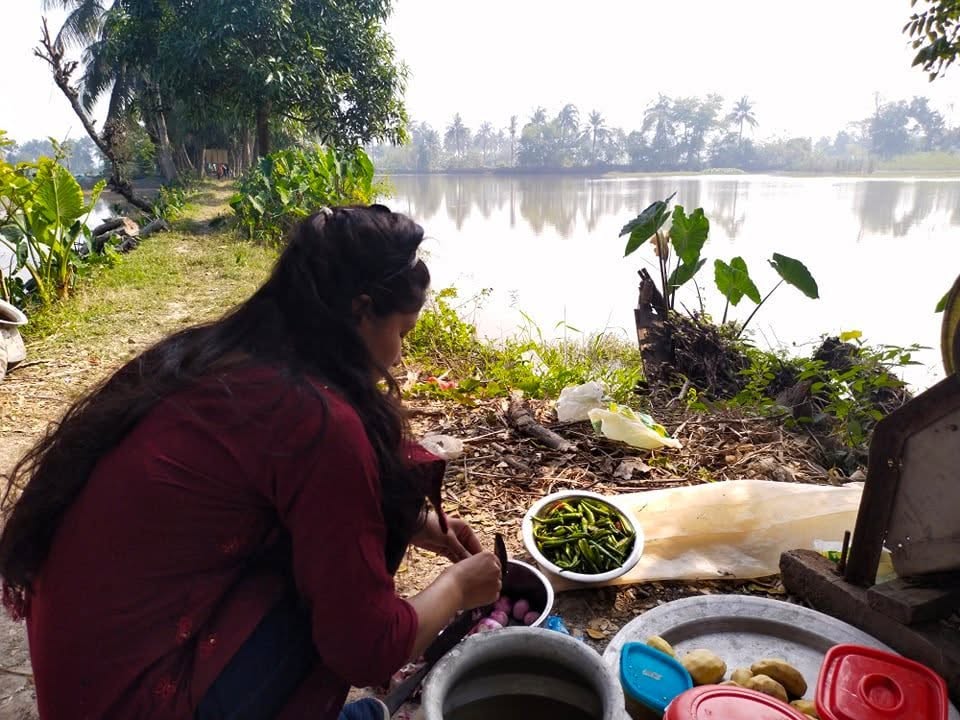
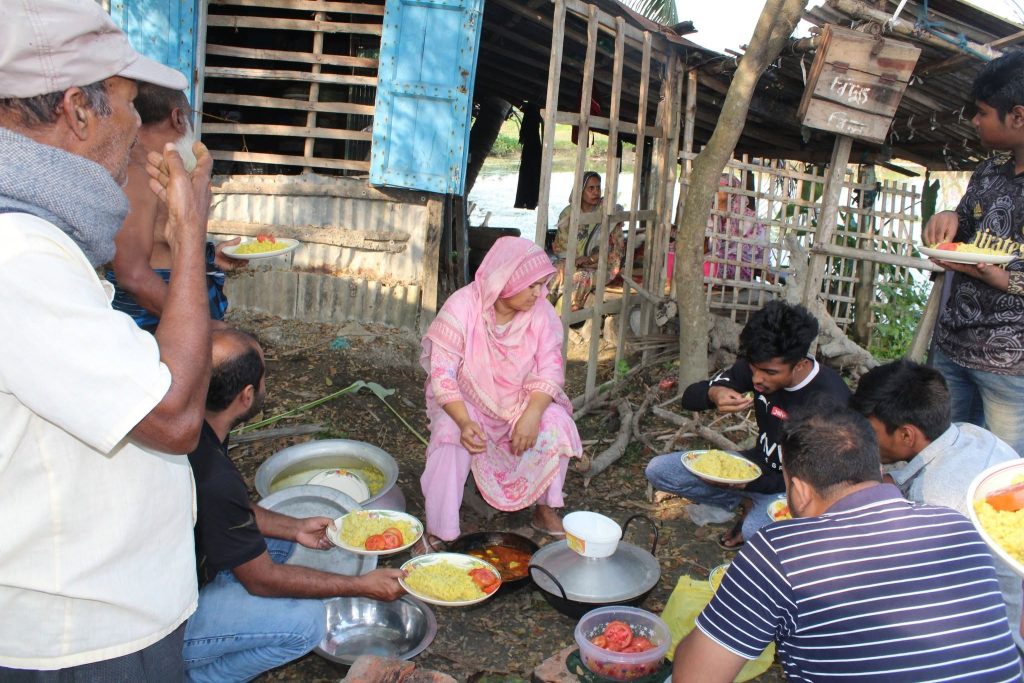
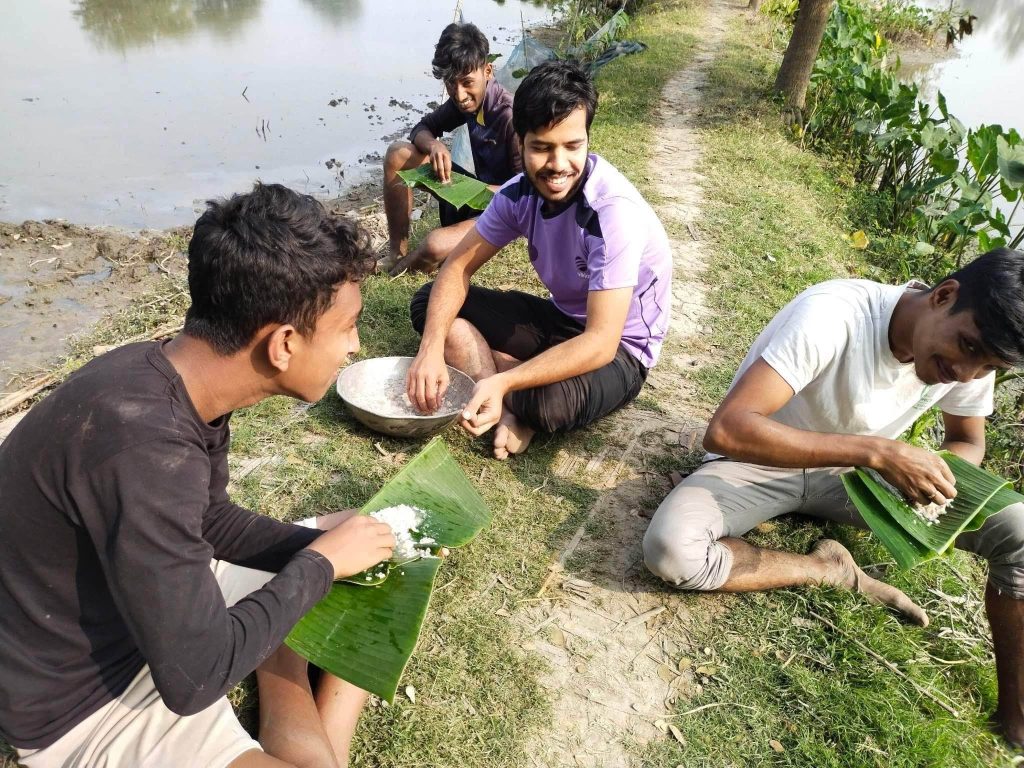
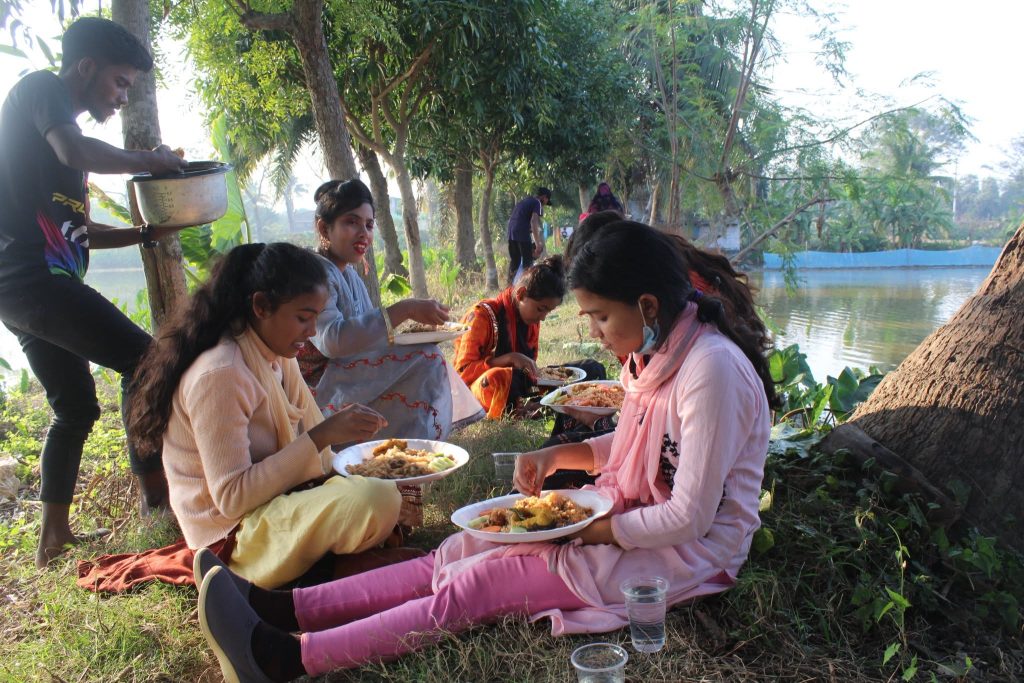
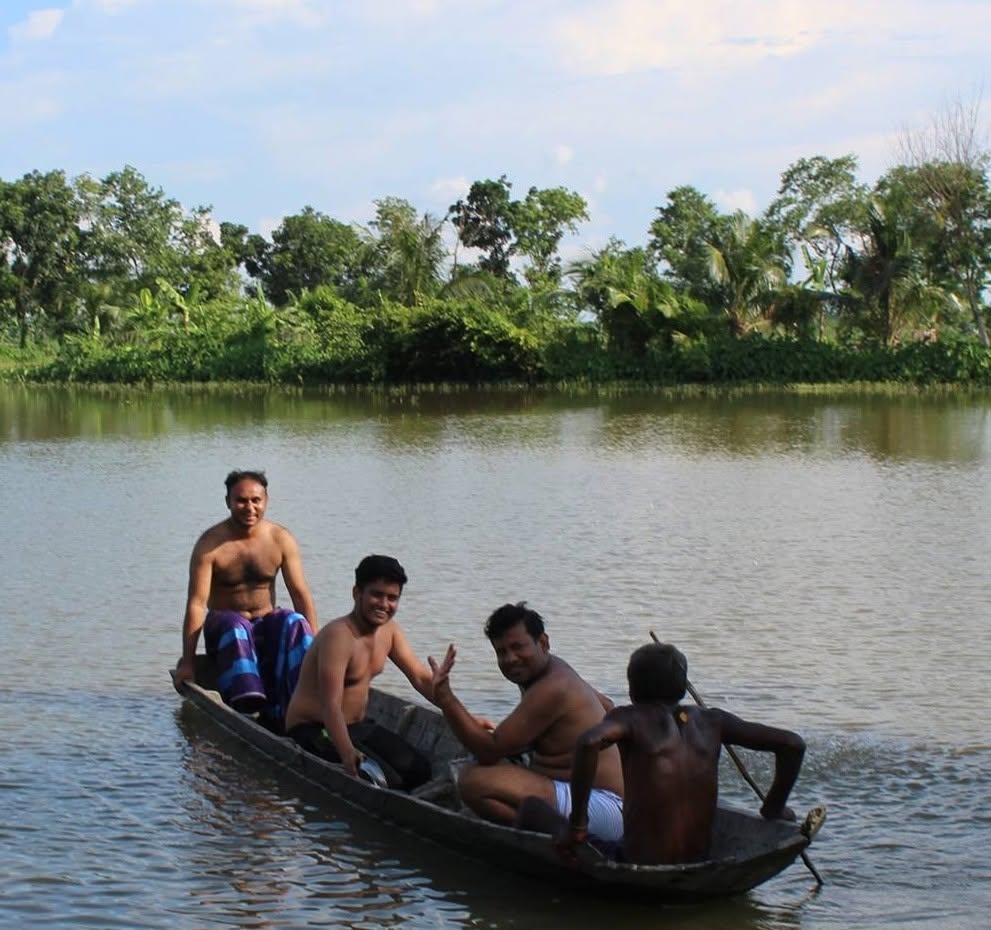
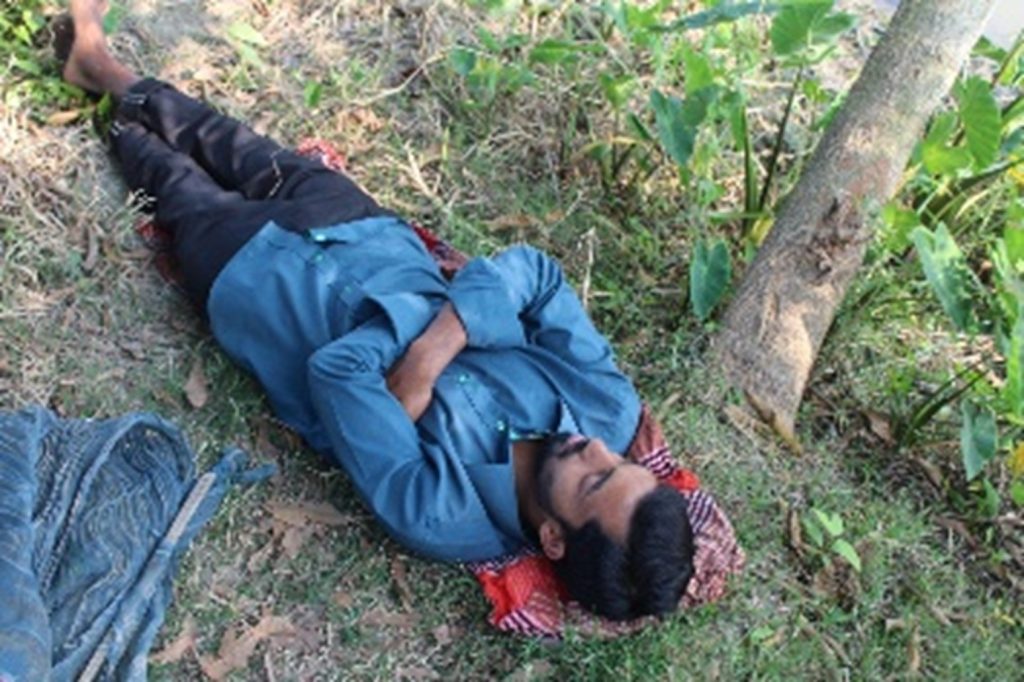
The tasks in the field motivate them to engage as they see their effort is needed. While working together they have fun, use interdisciplinary knowledge to solve unforeseen challenges, enjoy shared breaks and picnic where they see the results of their own effort in the field.

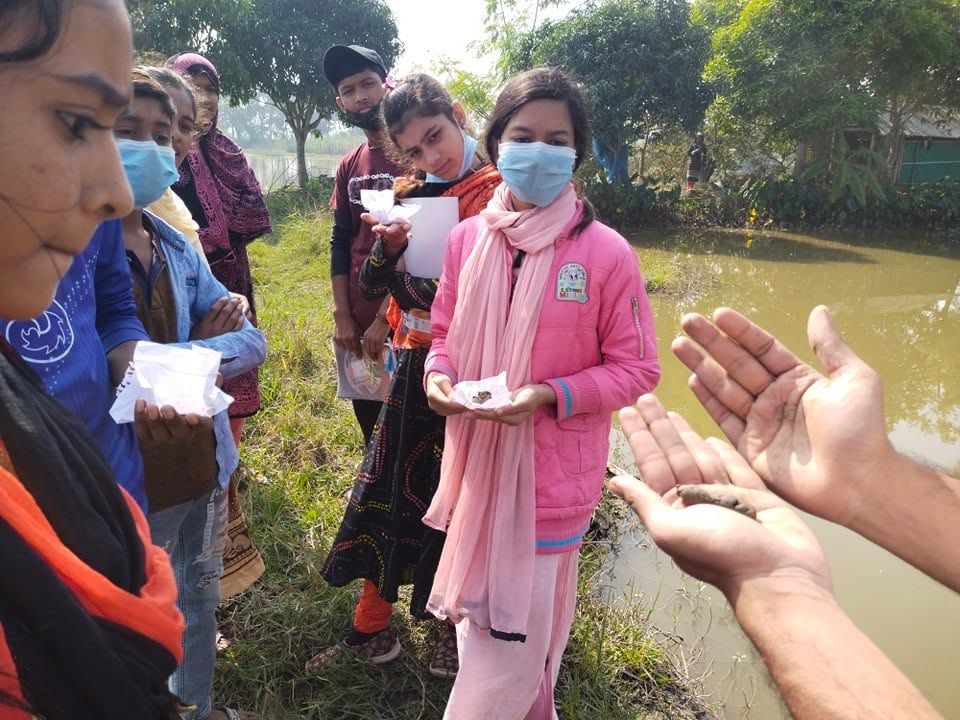
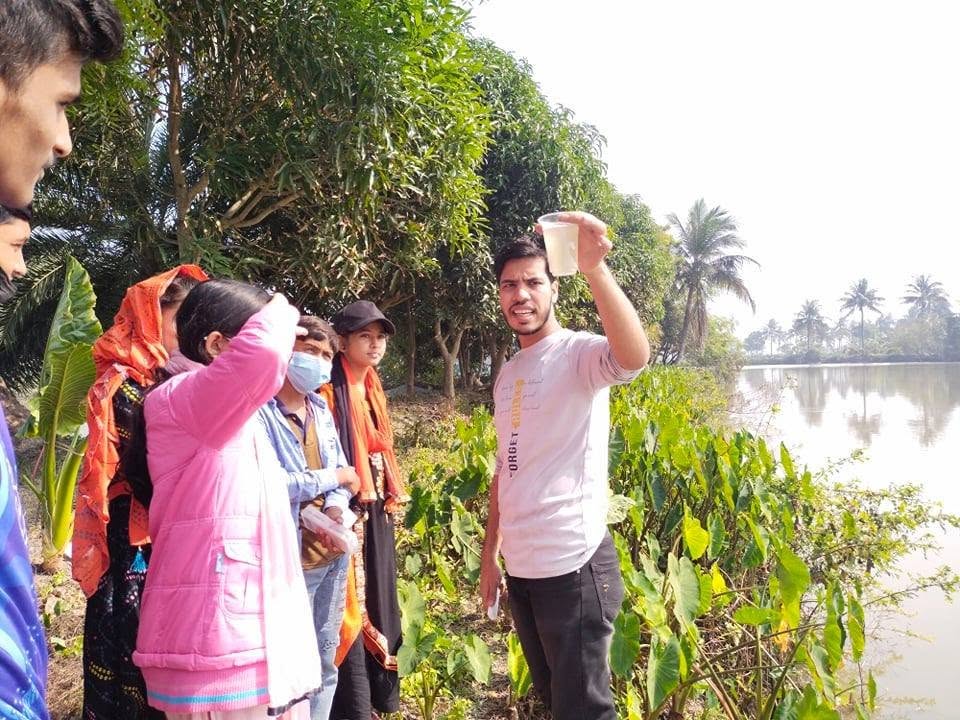
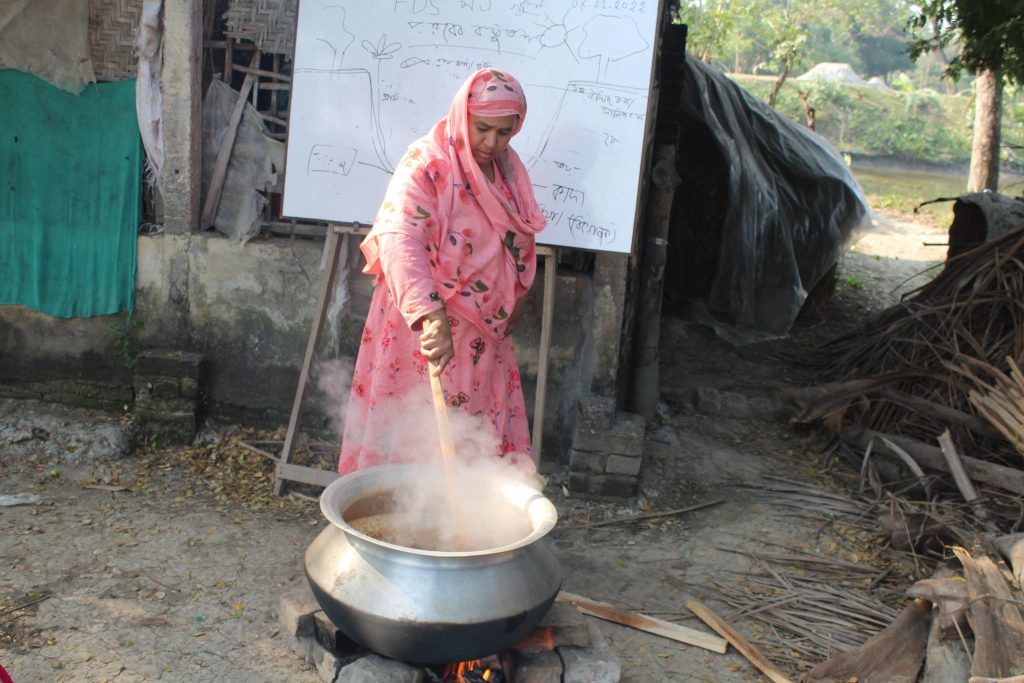
They learn to observe the field, the weather conditions, the ecosystem and take measures which are environmentally and economically sustainable based on the human resource they have available as well as collaborate well with the surrounding farmers and exchange local expertise. They use the harvest when they arrange picnic for 400 children and youth in EDS, and also for families in need. This experiential learning, which engages all senses and encourages social learning, become personalized, meaningful and create the feeling of mastery.

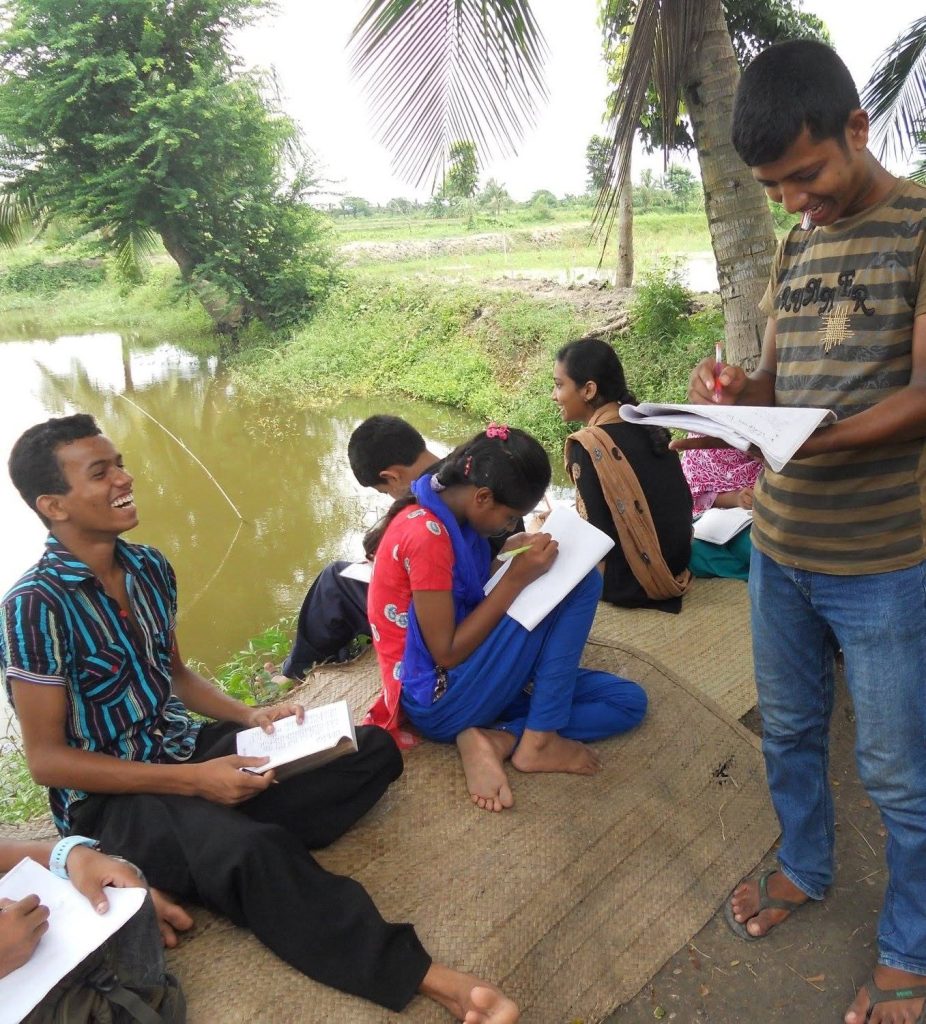
They take pictures and video, edit and upload them to Youtube for national and global audience to see, learn and become inspired to create similar opportunities for interdisciplinary, experiential learning elsewhere. They write their experiences and reflections in Bangla and English and communicate this through Facebook.

They use knowledge from Math, Economics, Science, Social studies, English and Agriculture to solve the challenges in the field and share their learning with a global audience. This way, they link their education to real life.

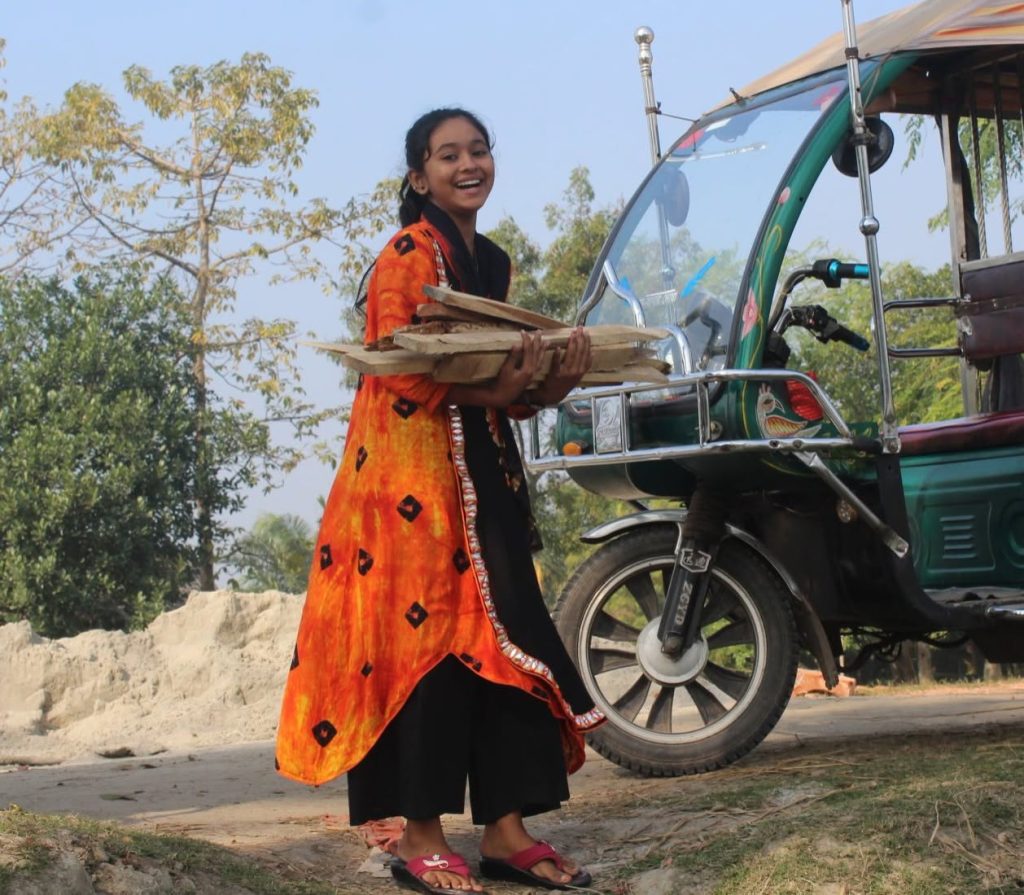
This creates the awareness that learning is an ongoing, lifelong process, which in many cases happens outside the classroom. The photos and videos show the life-affirming energy created in these processes.

Results

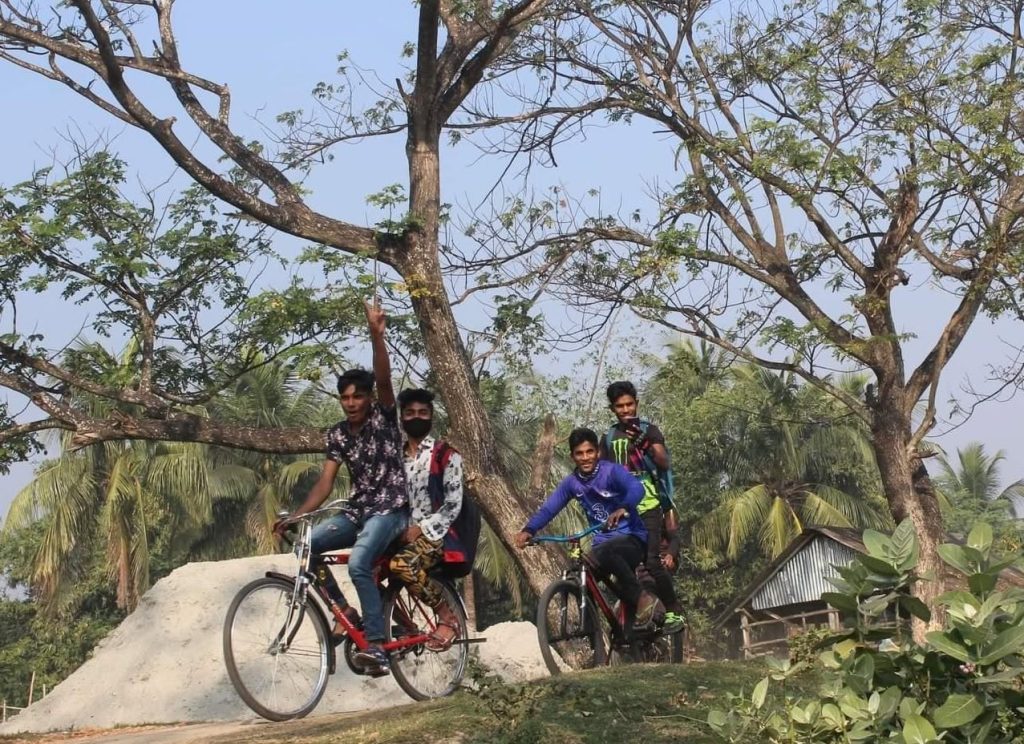
Through working at the farm and with ICT, our children and youth have transformed from struggling with self-doubt, feeling they are not able learners and showing destructive behaviour, to become interested in learning and using their knowledge to solve challenges. They have developed critical thinking and problem-solving skills, compassion for each other and the nature, endurance, perseverance and willpower to reach shared goals. They are becoming community leaders and role models who positively impact their surroundings.

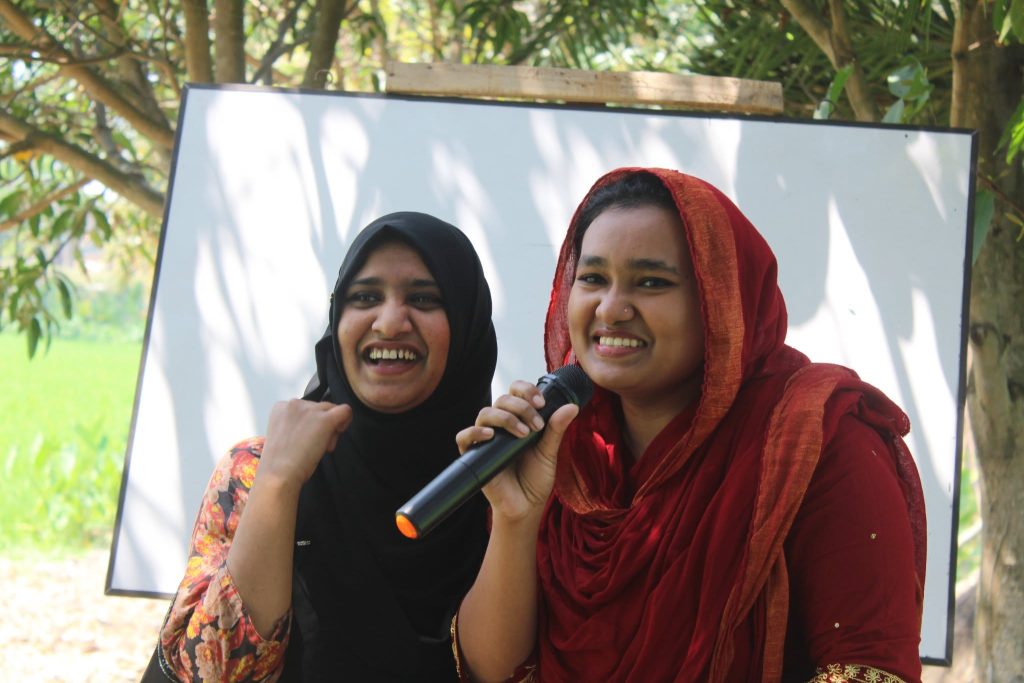
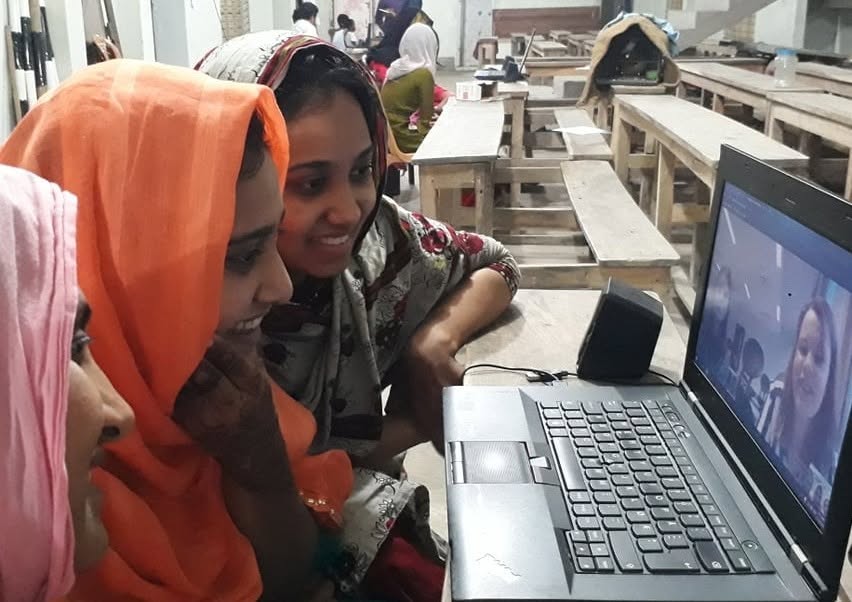
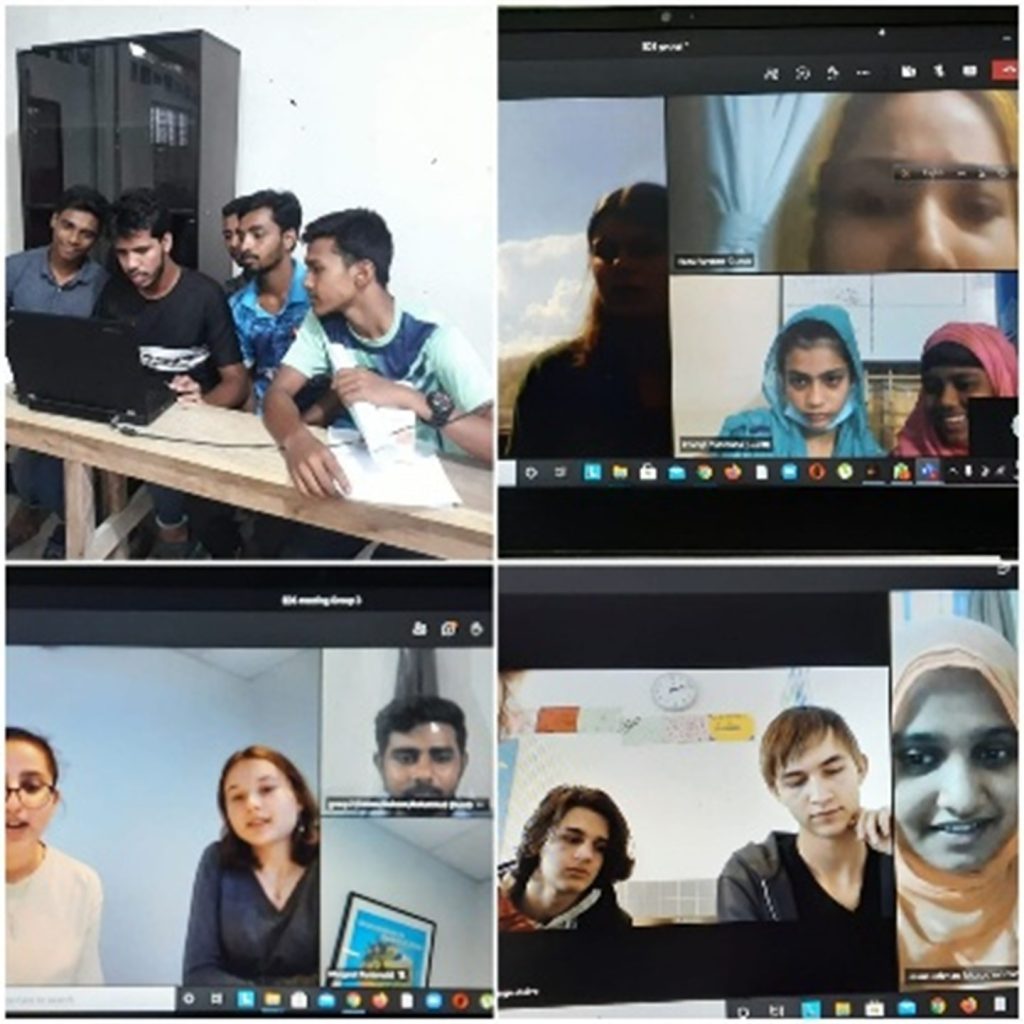
EDS youth teach orphans and EDS students to become ICT literate. EDS and Norwegian students connect through internet and share experiences about being youth.

We hope our children and youth inspire you to create similar learning arenas and processes where children and youth get responsibility to apply knowledge from diverse subjects to solve real life challenges, connect with the nature, each other, their local and global community and feel like resources who are needed and who can make a positive difference. This way, we mentor our children and youth to contribute to a more interconnected, humane and responsible society.