Challenge
To solve global challenges, we need to cultivate the understanding that we share the same earth, and we are all resources who can take collective action for a more humane world.
In Bangladesh, there is a large gap between economically rich and poor as well as between people of high and low social status. There is little interaction across the groups. Economically poor who live in the streets or slum areas face harsh discrimination. Other people tend to avoid them and create stereotypes that they are dishonest, dirty and cause trouble. Hence, they would not invite them into their homes. The way economically poor children and youth with low social capital are treated by the community impacts how they see and feel about themselves.
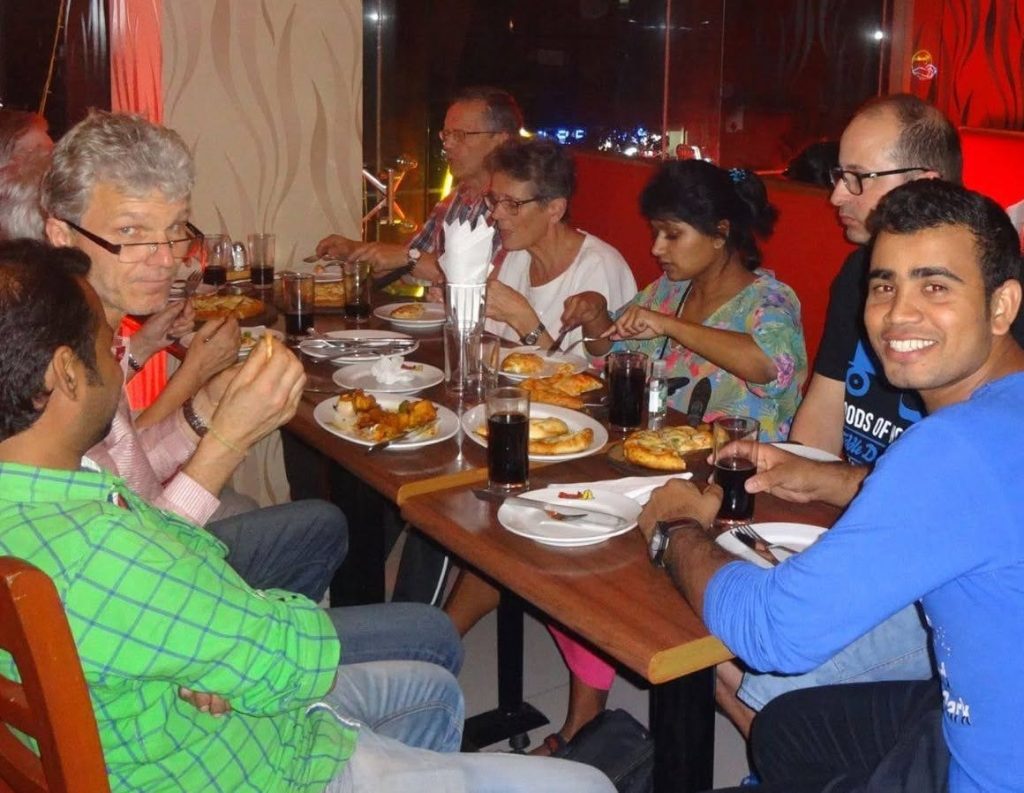
Also, international leaders, who visit projects in Bangladesh, normally become friends with the project leaders, rarely with the vulnerable children and youth.
Our response
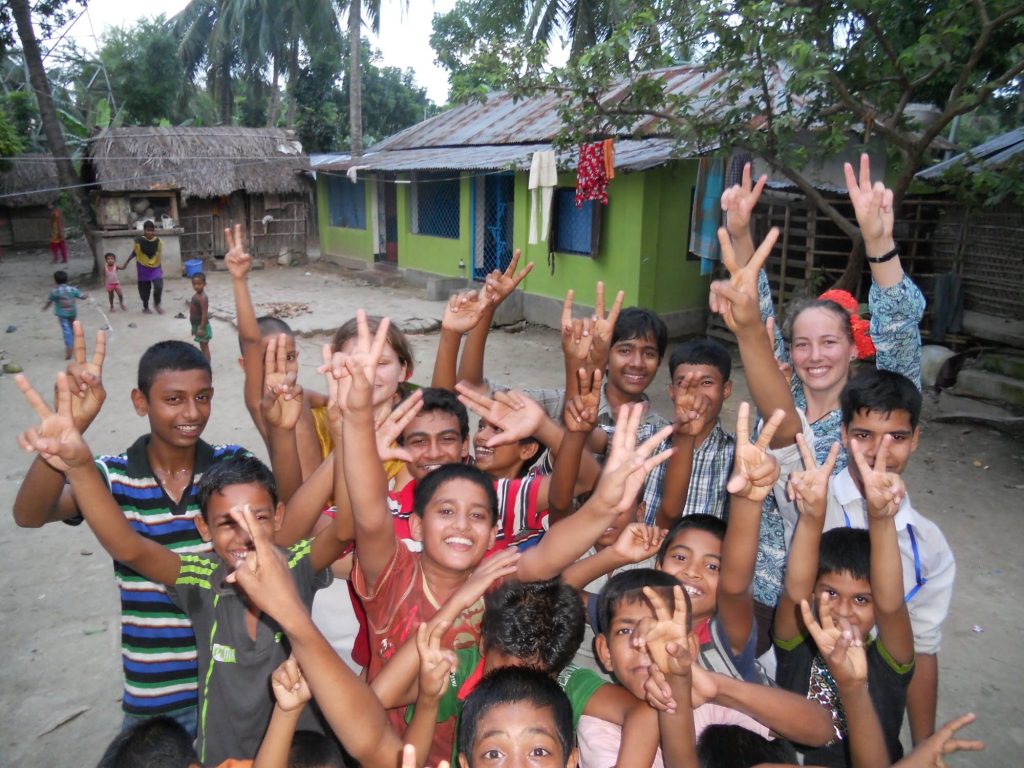
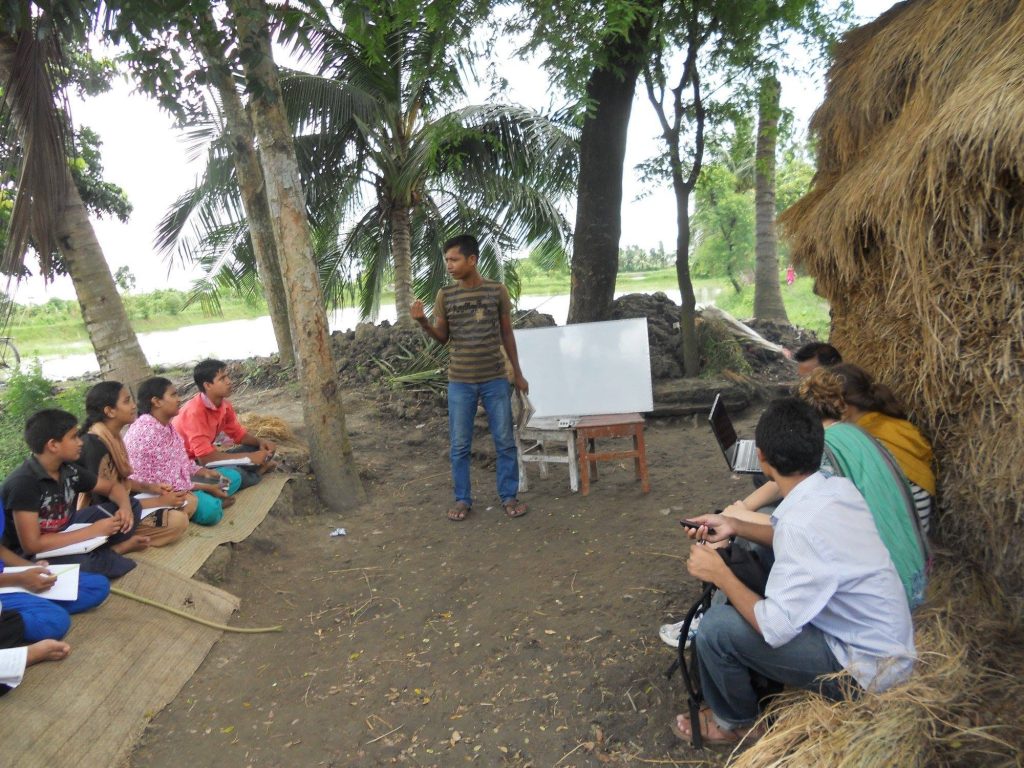
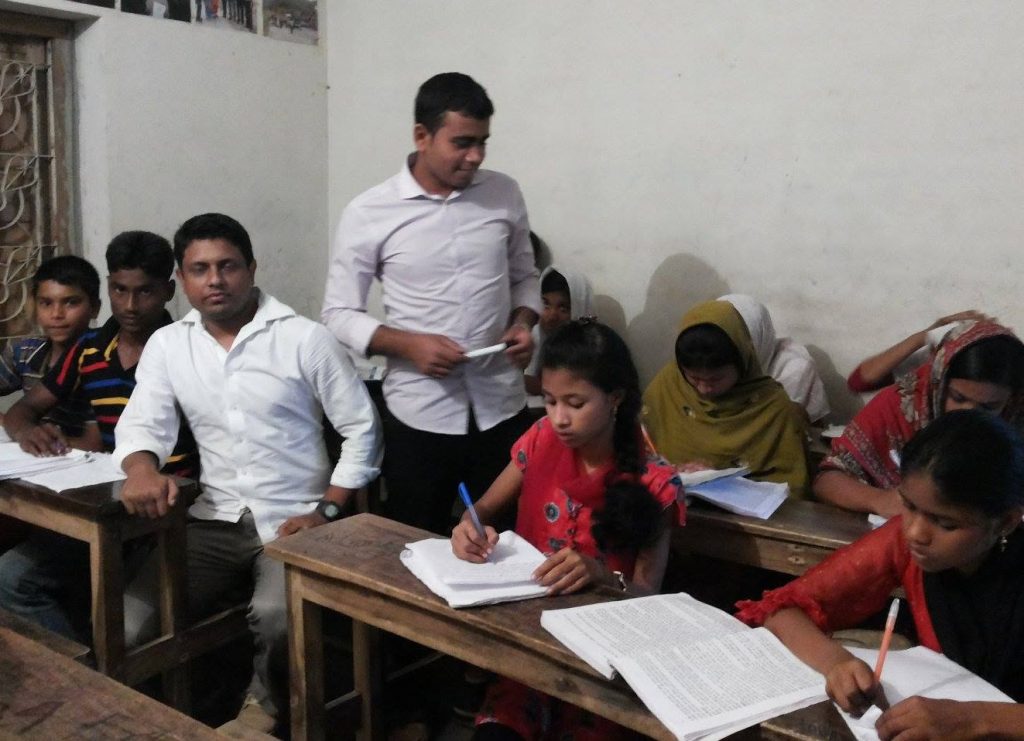
We share the story of EDS and our dedicated children and youth who have transformed their lives and now mentor other children and youth to do the same, so people learn that all children and youth are resourceful persons who can make positive change when met with empathy, trust, given responsibility and support.
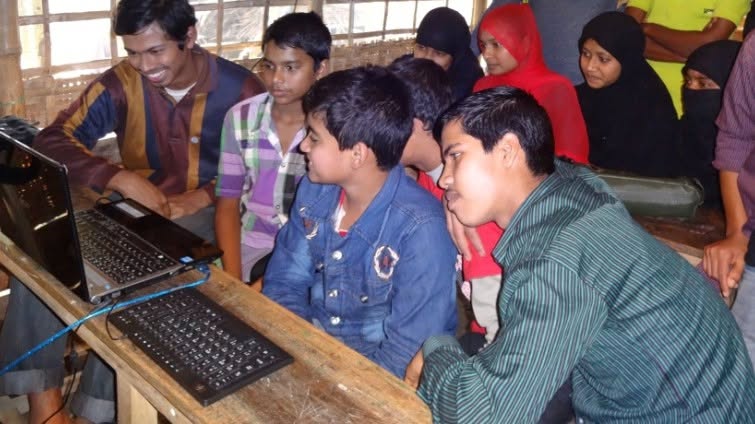
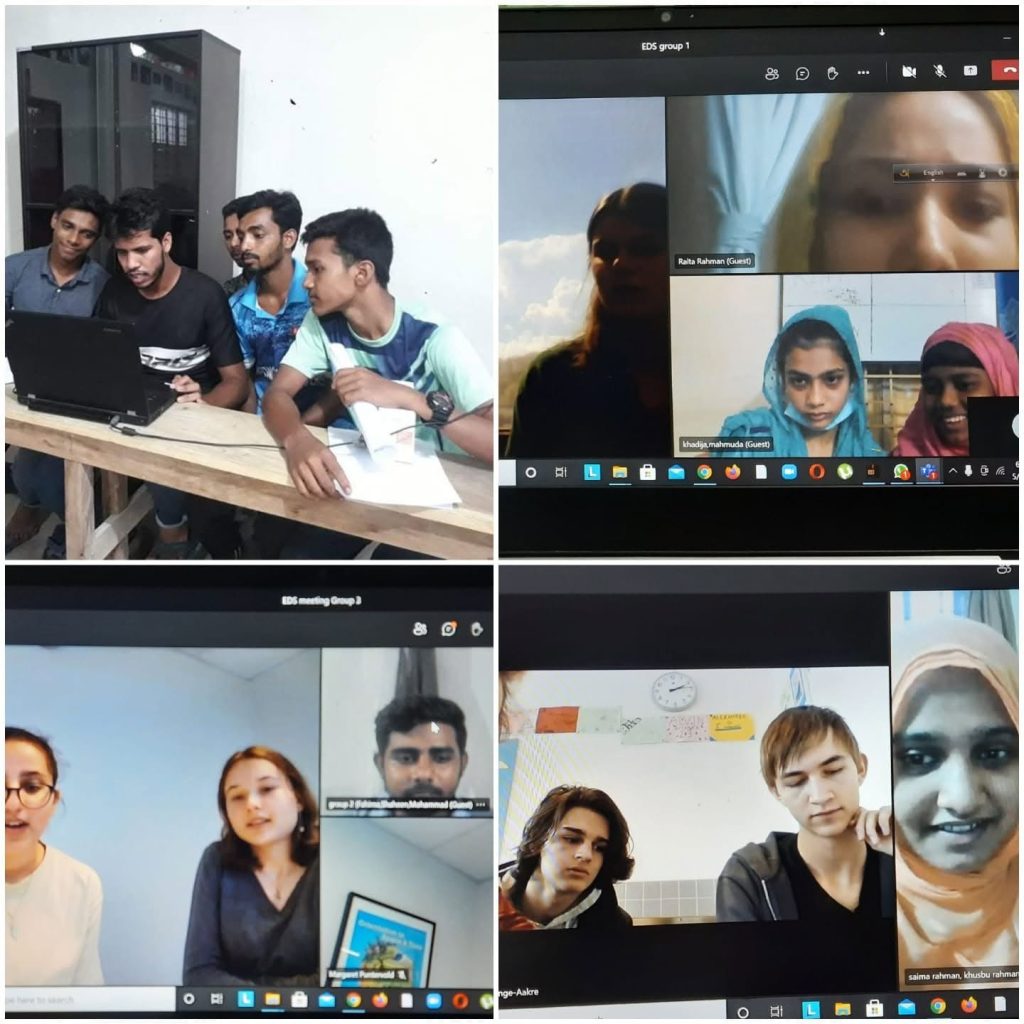
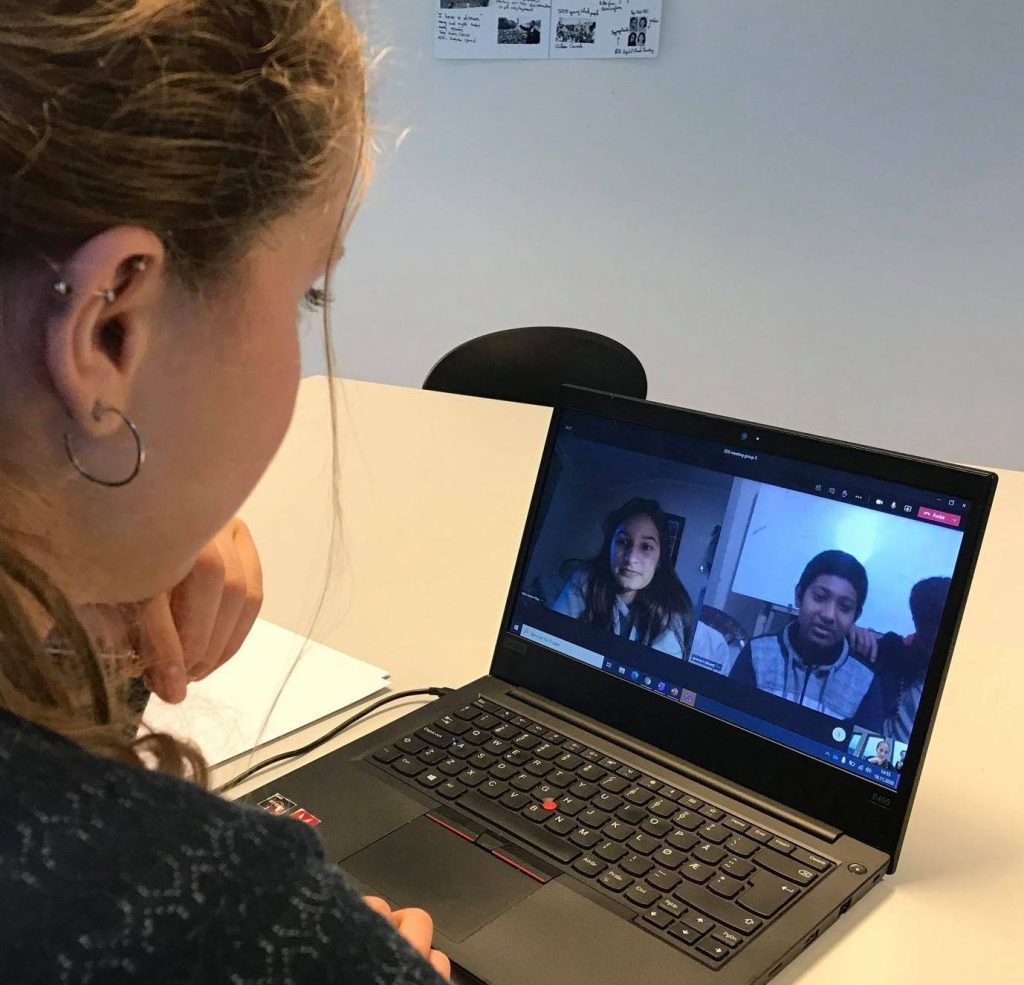
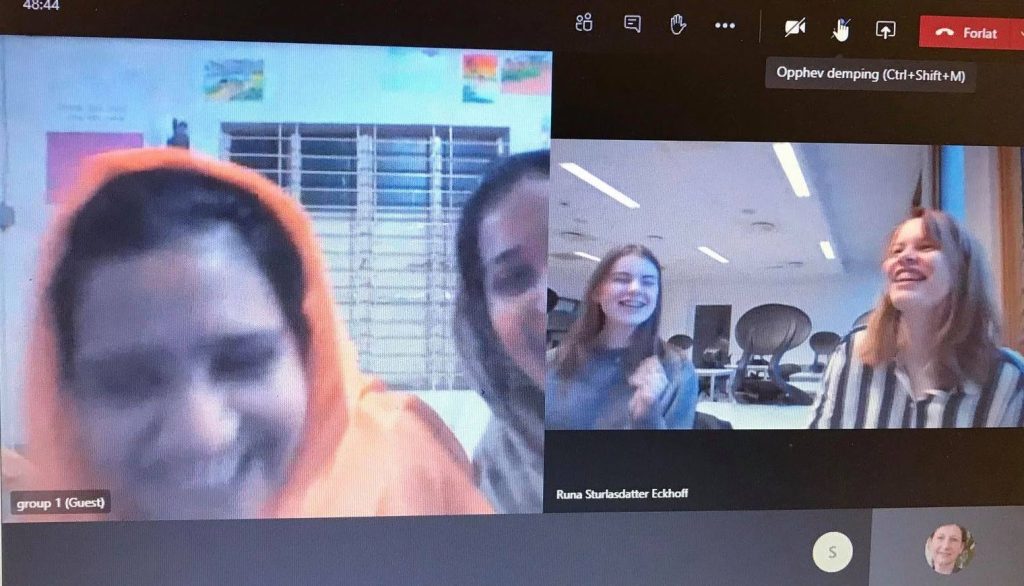
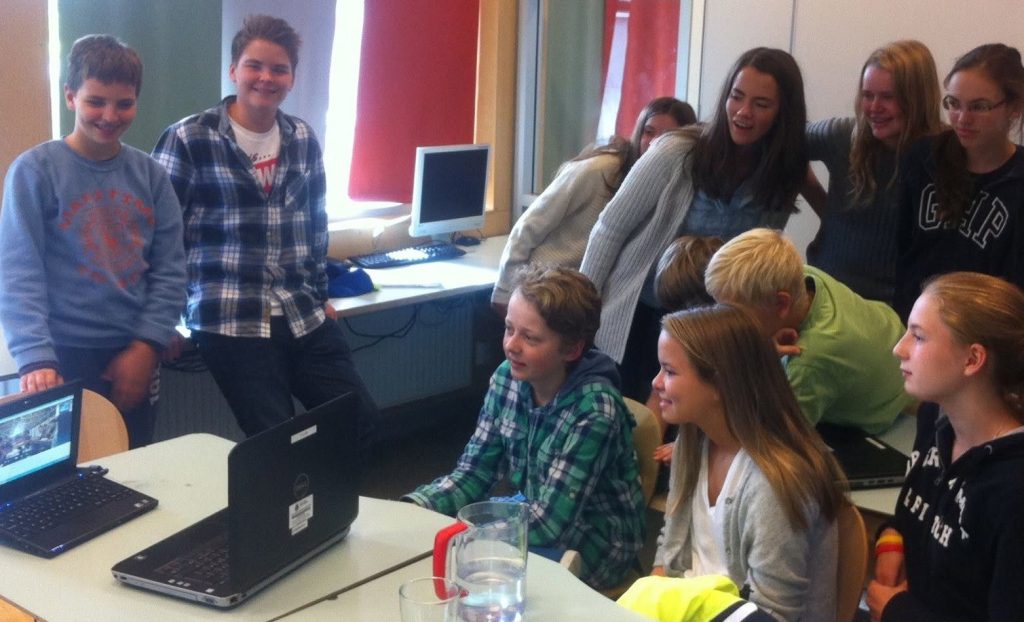
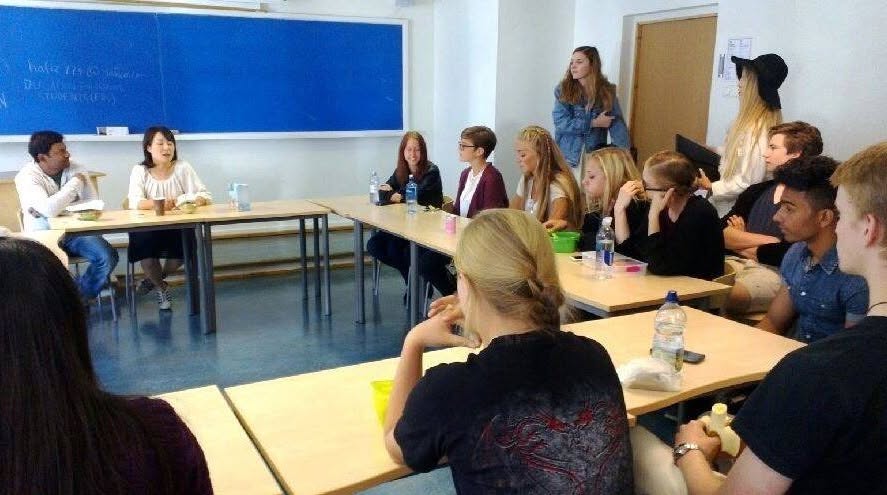
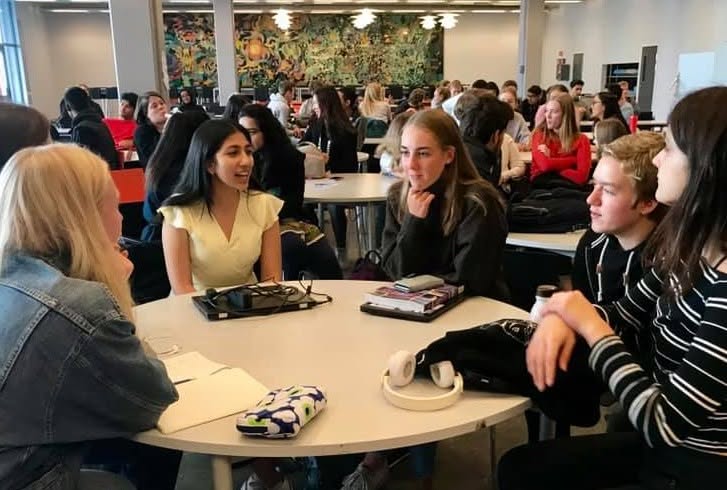
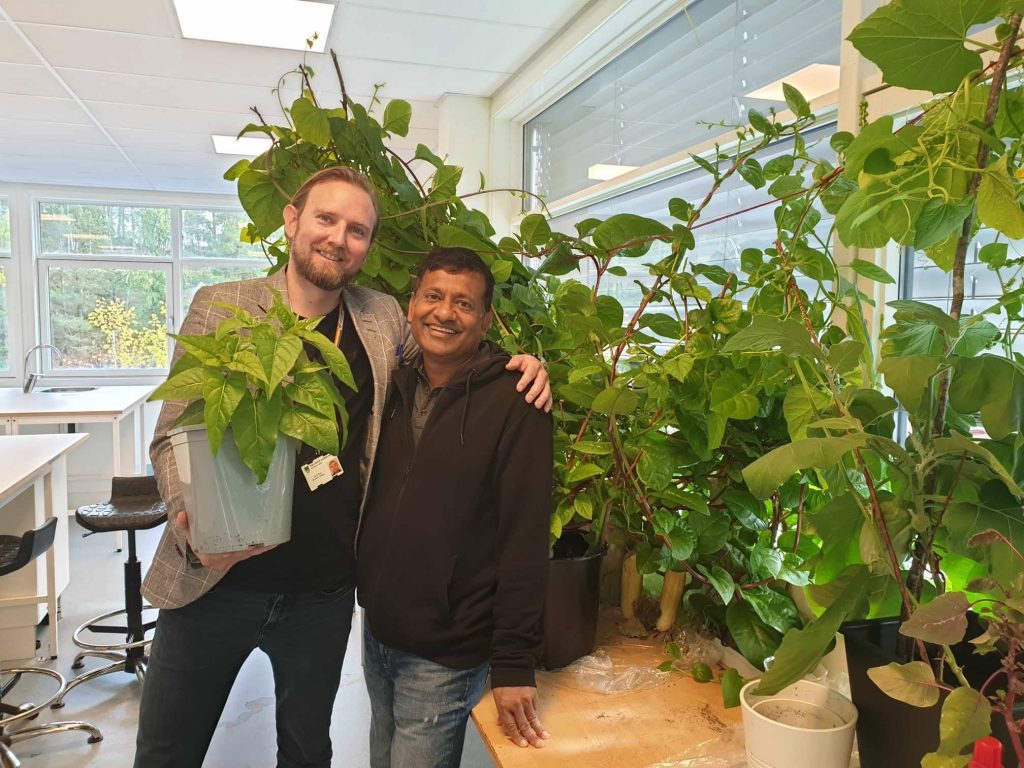
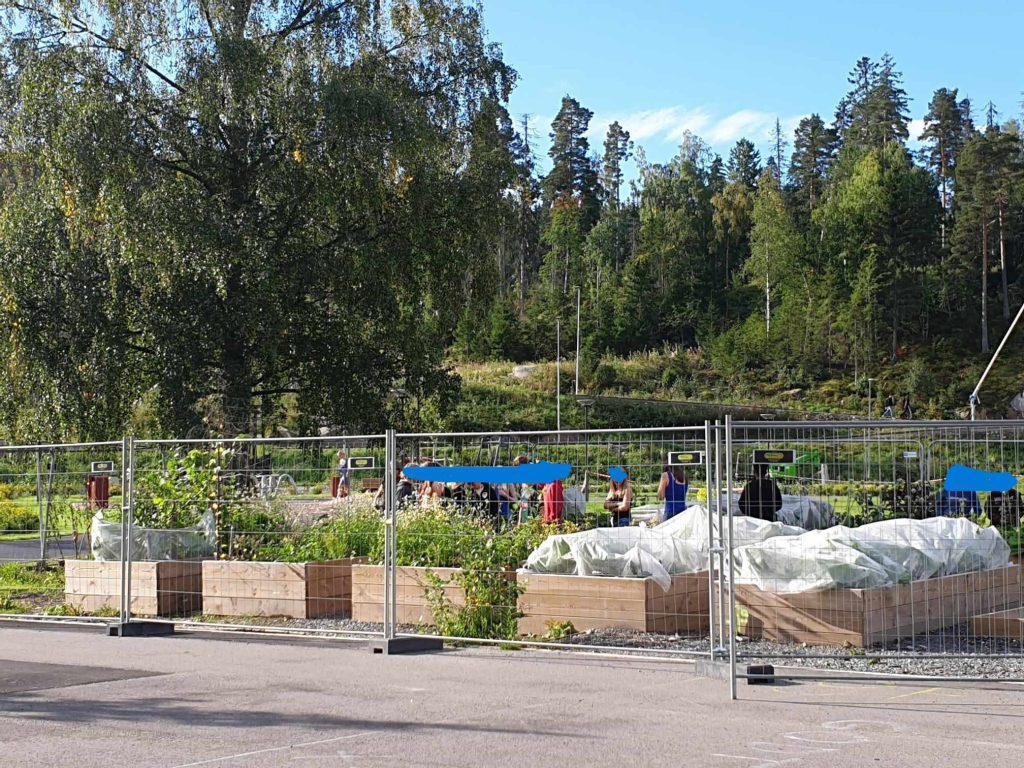
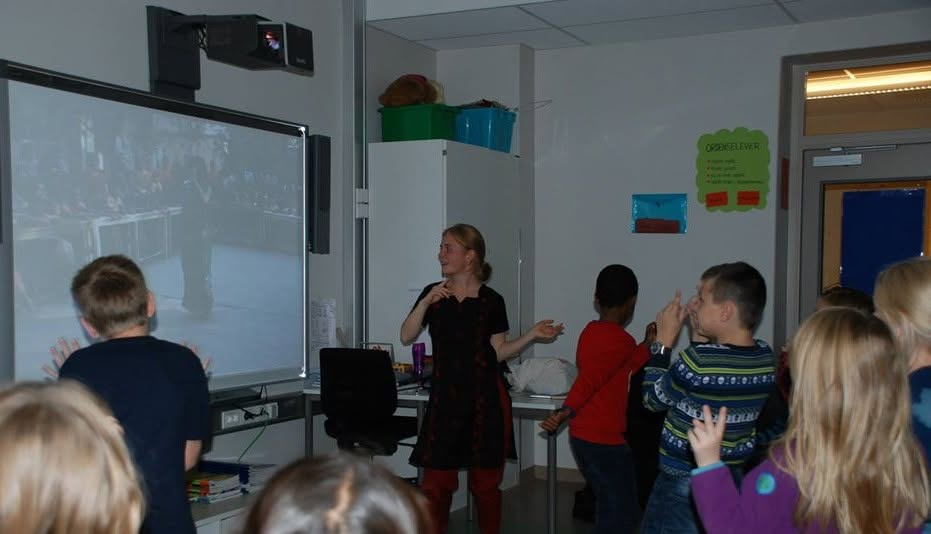
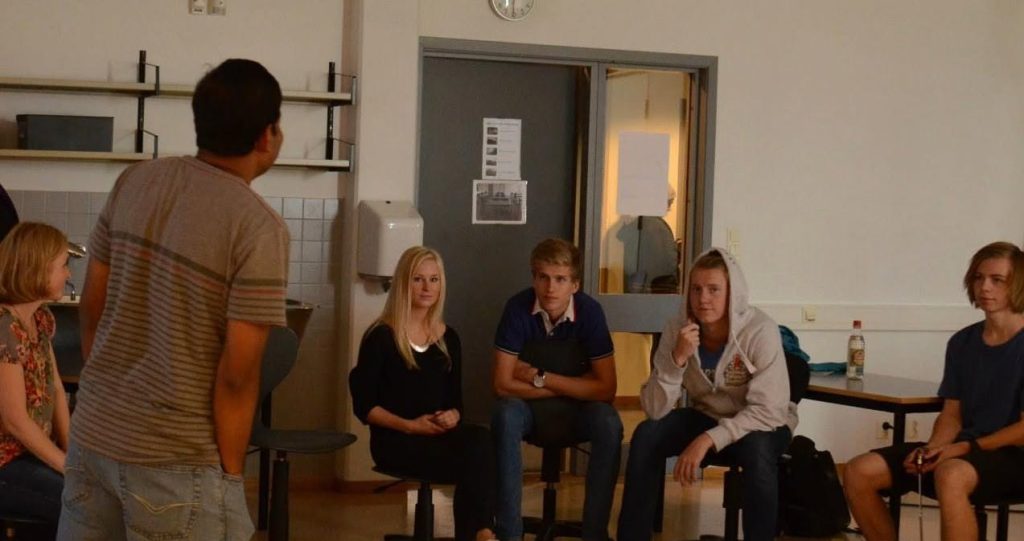
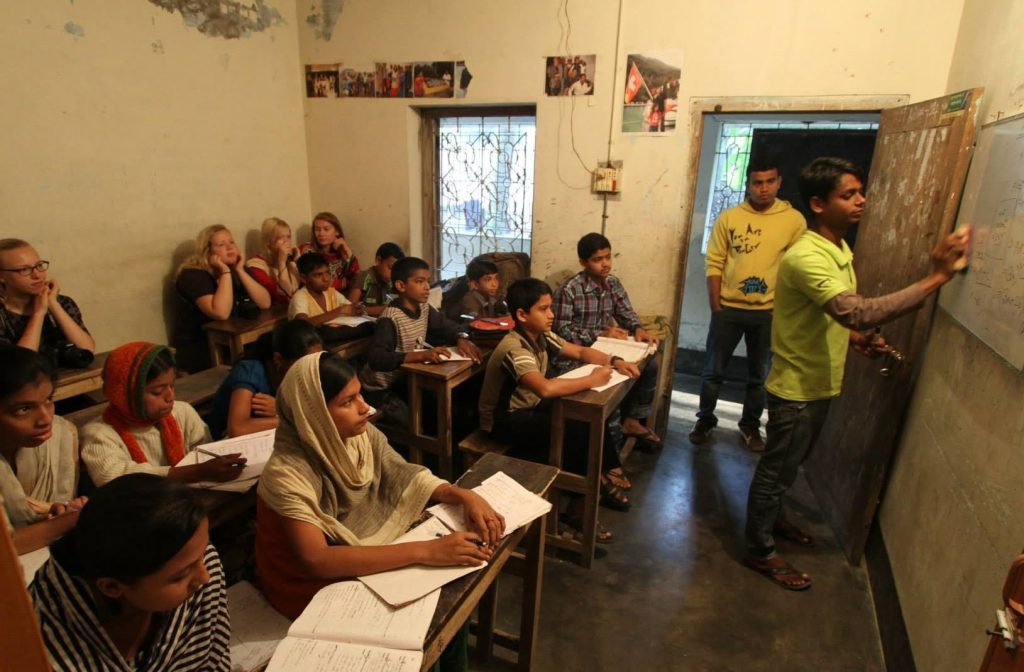
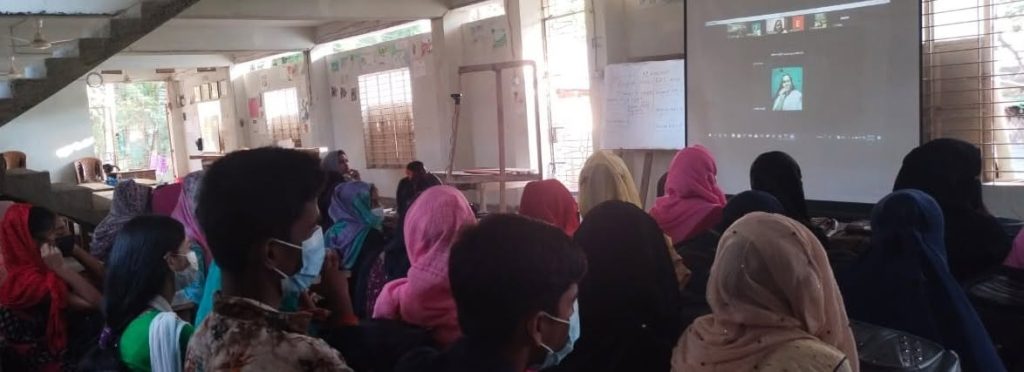
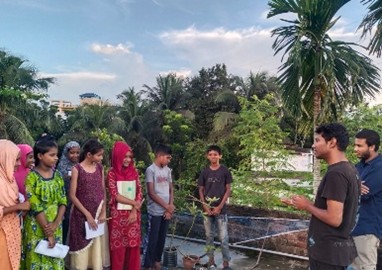
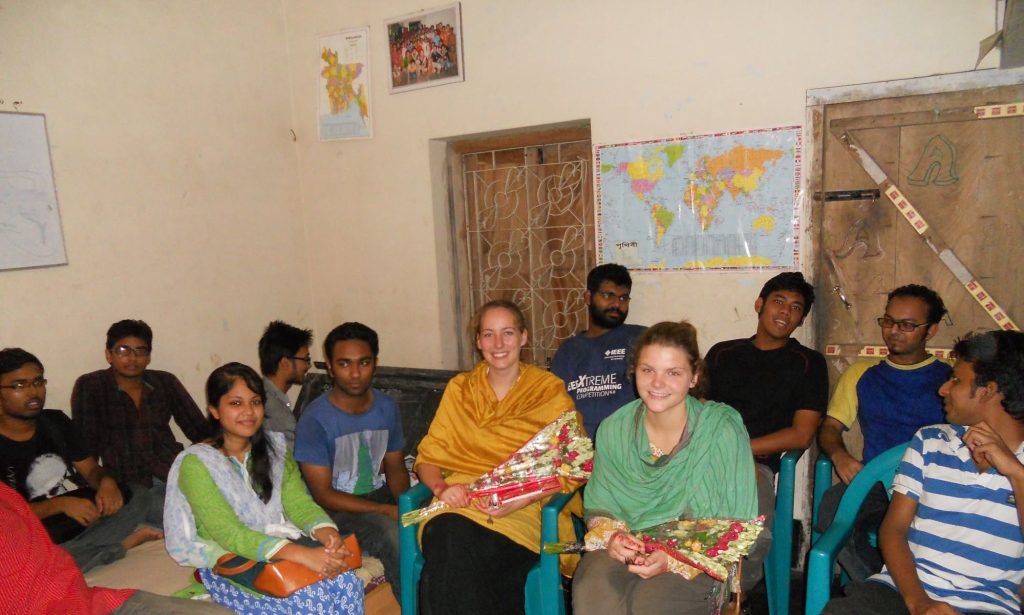
The EDS change agents collaborate with international children and youth at Blindern and Lillestrøm high schools and Marikollen secondary school in Norway. The EDS children and youth’s transformative stories inspire the Norwegian students to feel they are also able learners and potential change agents who can create an inclusive and supportive learning environment for themselves and others. The Norwegian students teach English and ICT to the EDS children and youth. Together they create shared understanding of how we can be resources for each other and share how they through work in the school gardens in Bangladesh and Norway not just grow, but grow interdisciplinary knowledge of sustainable development, responsibility, and teamwork. Through hands-on learning, they connect subjects to real life, take ownership of their work, and build a deeper connection to nature and each other.
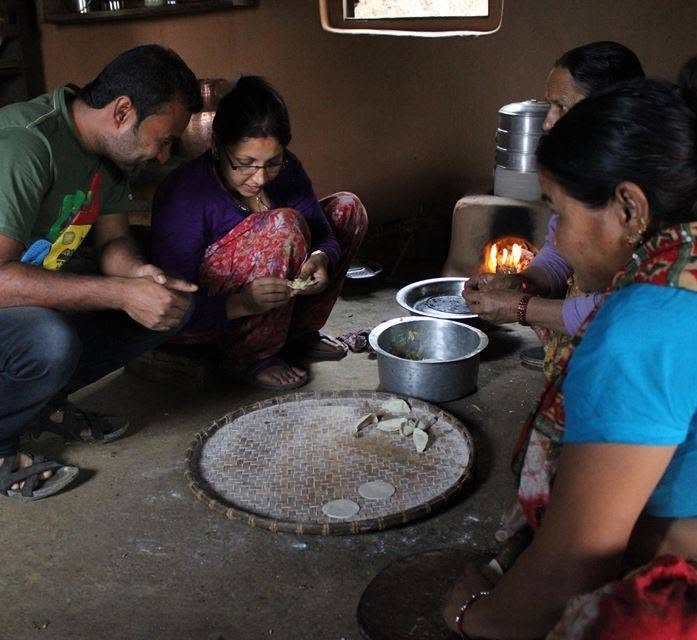
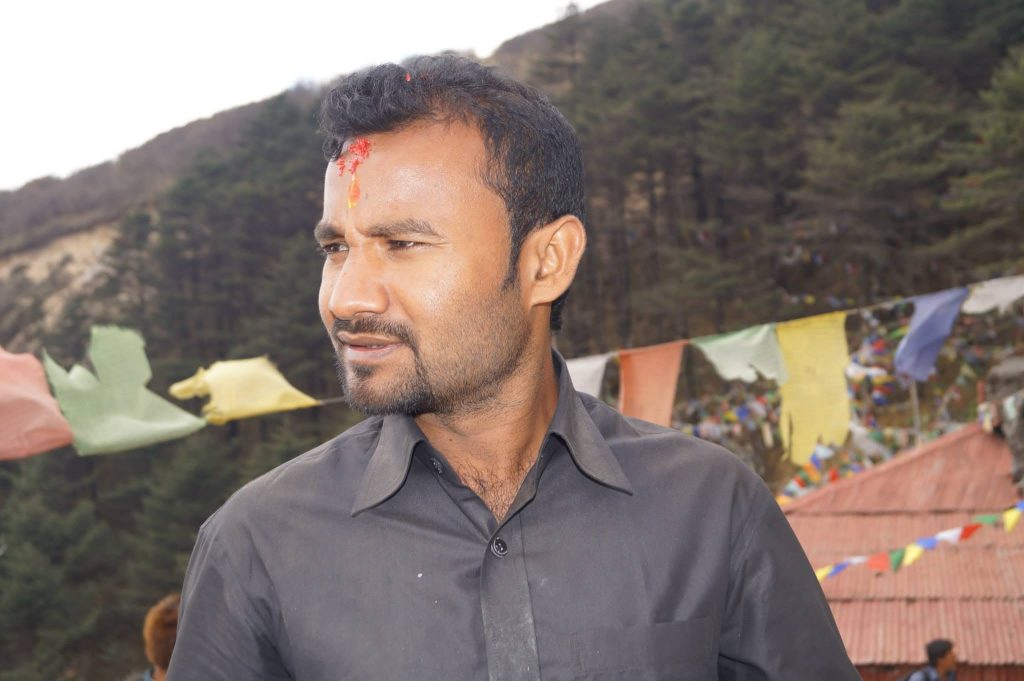
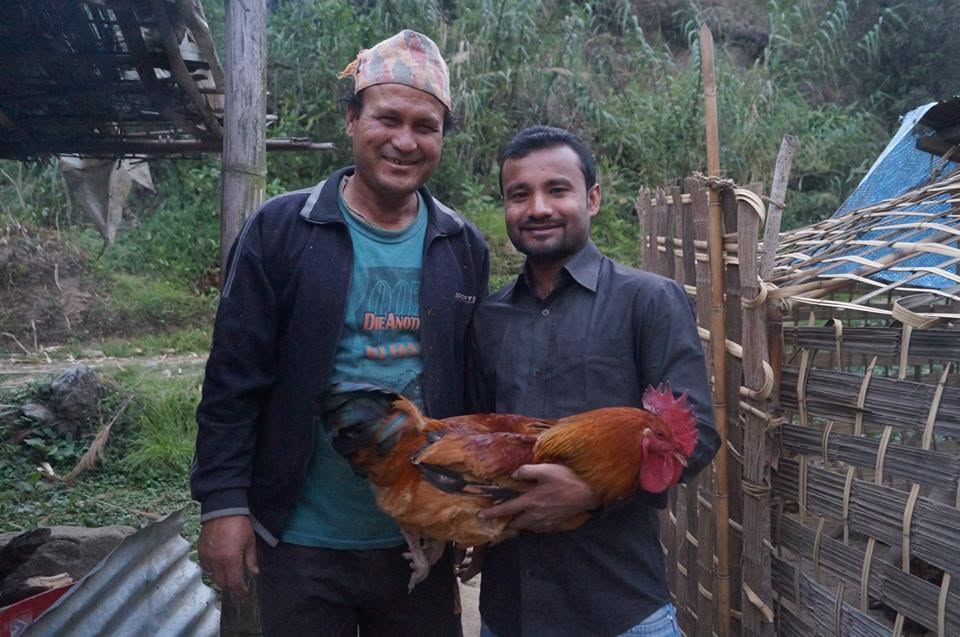
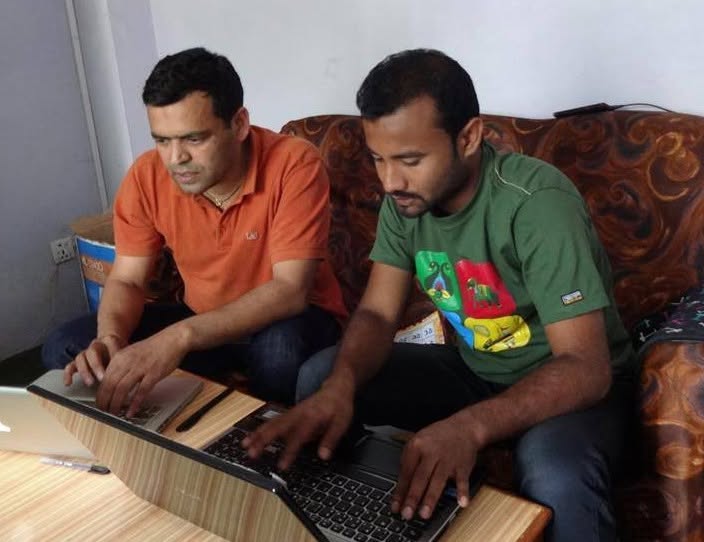
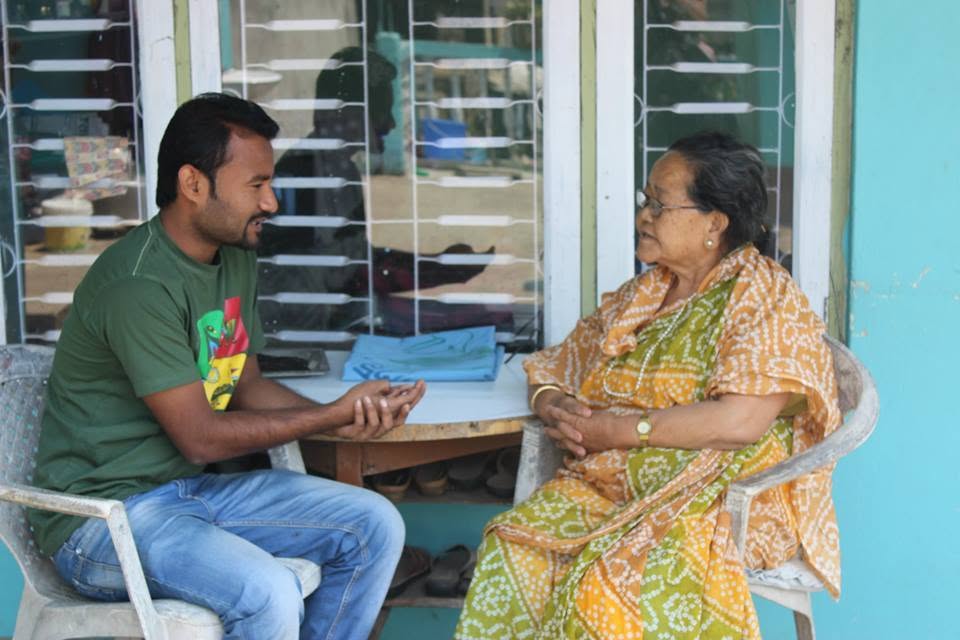
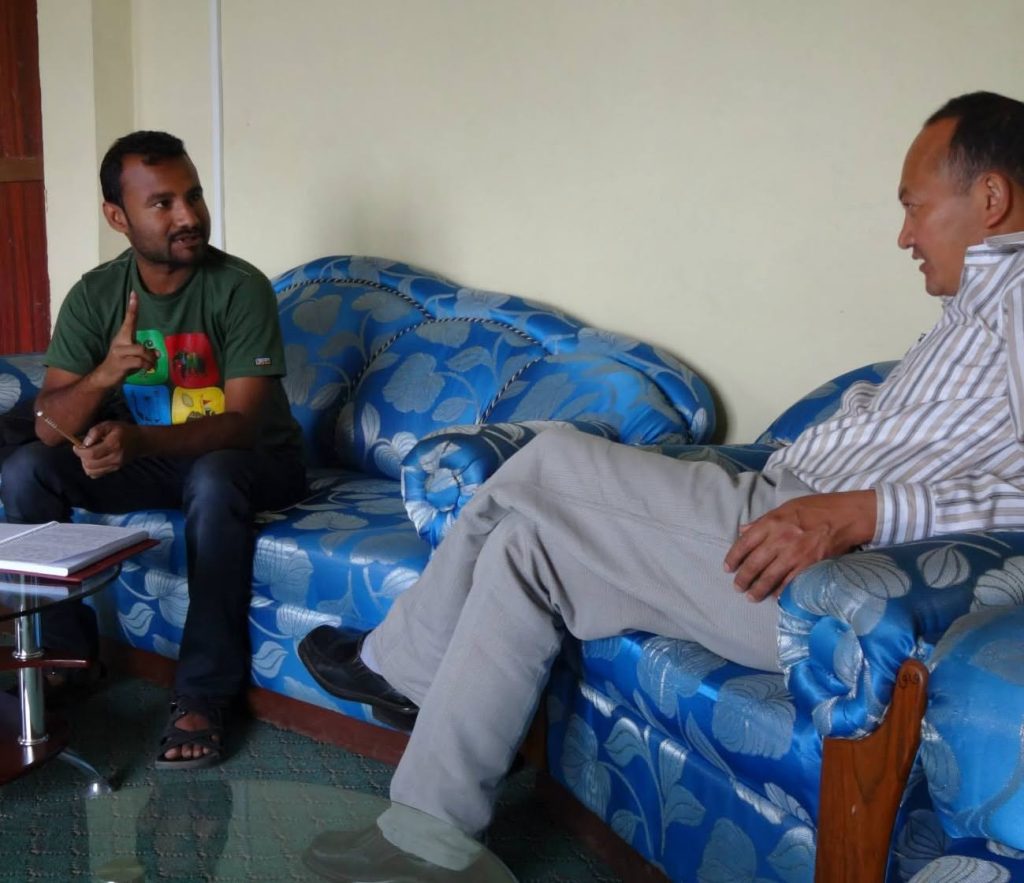
Alamin has been invited to community development programs in Nepal to share our EDS model.
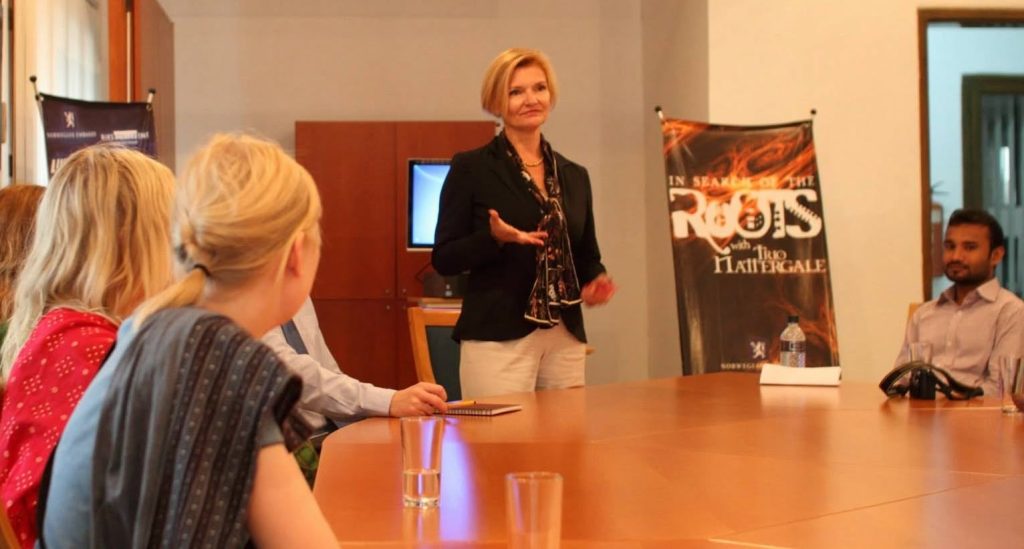
Exploring Nepalese culture and sharing the EDS model with leaders of Nepalese community development organizations which partnered with the Norwegian Development Fund.
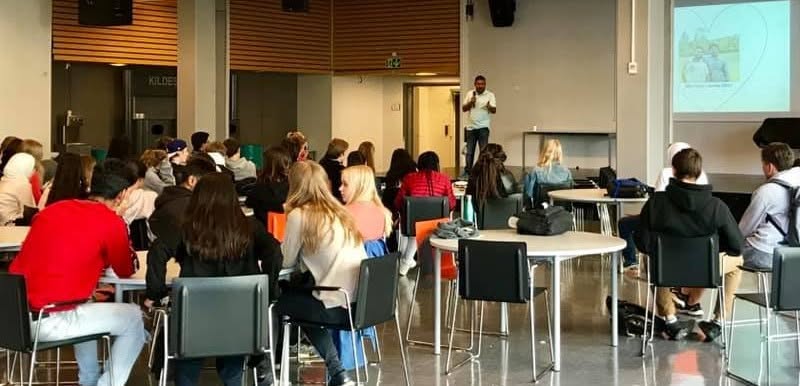
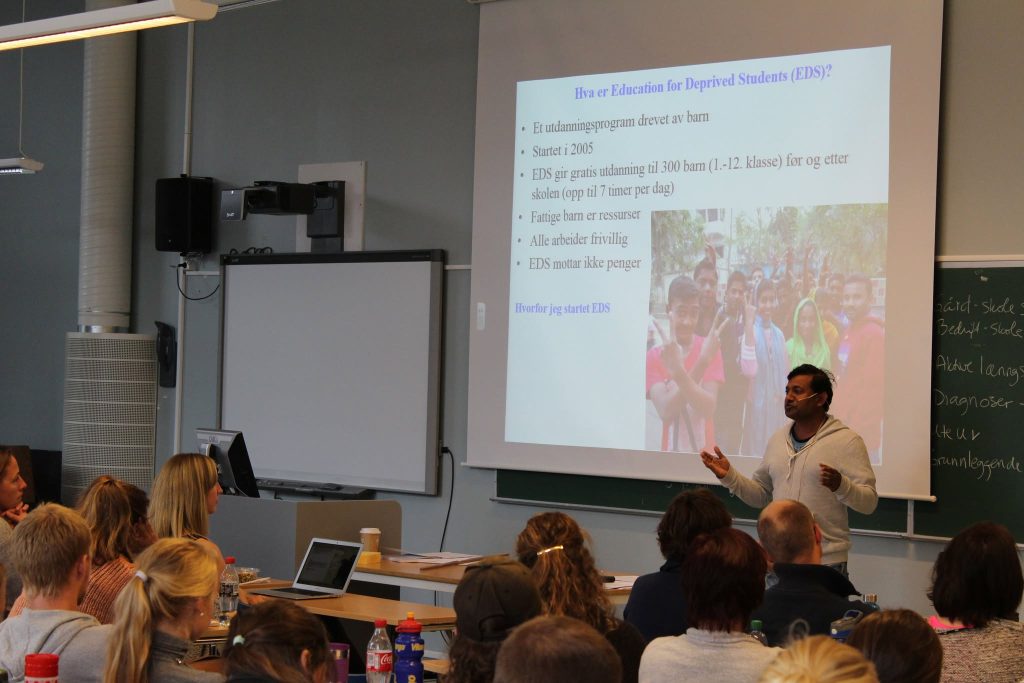
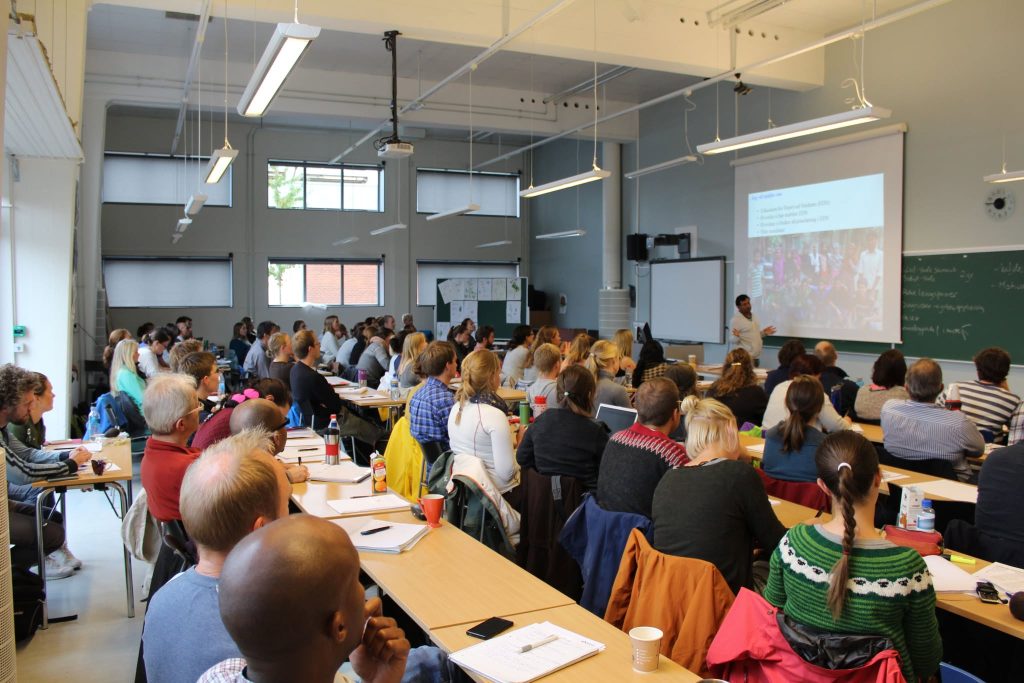
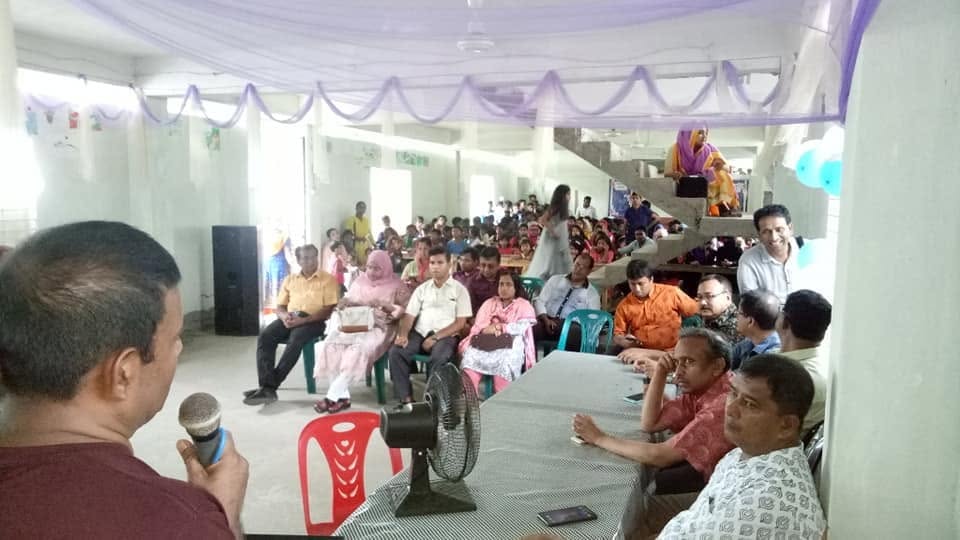
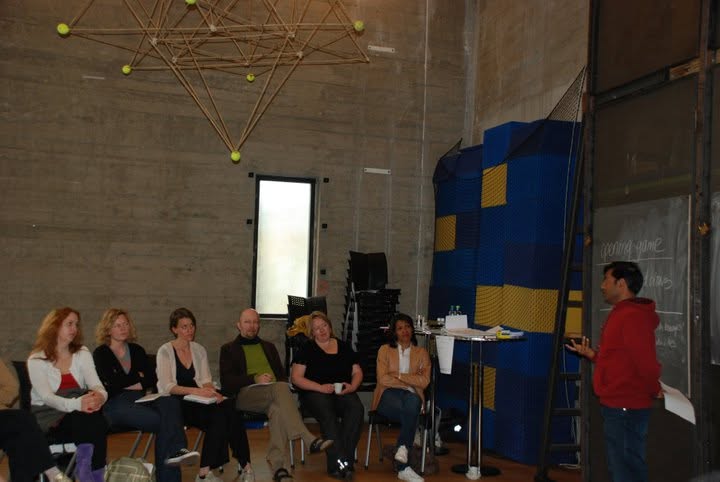
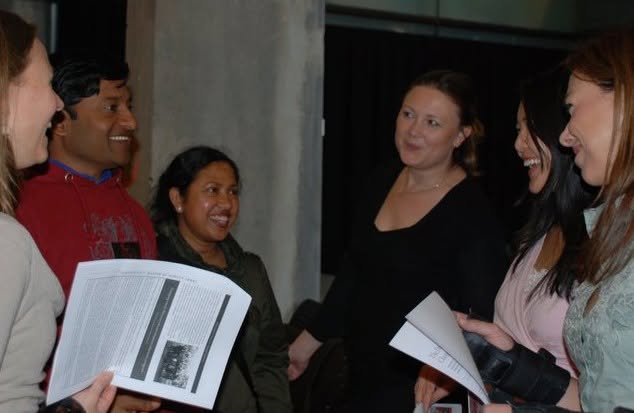
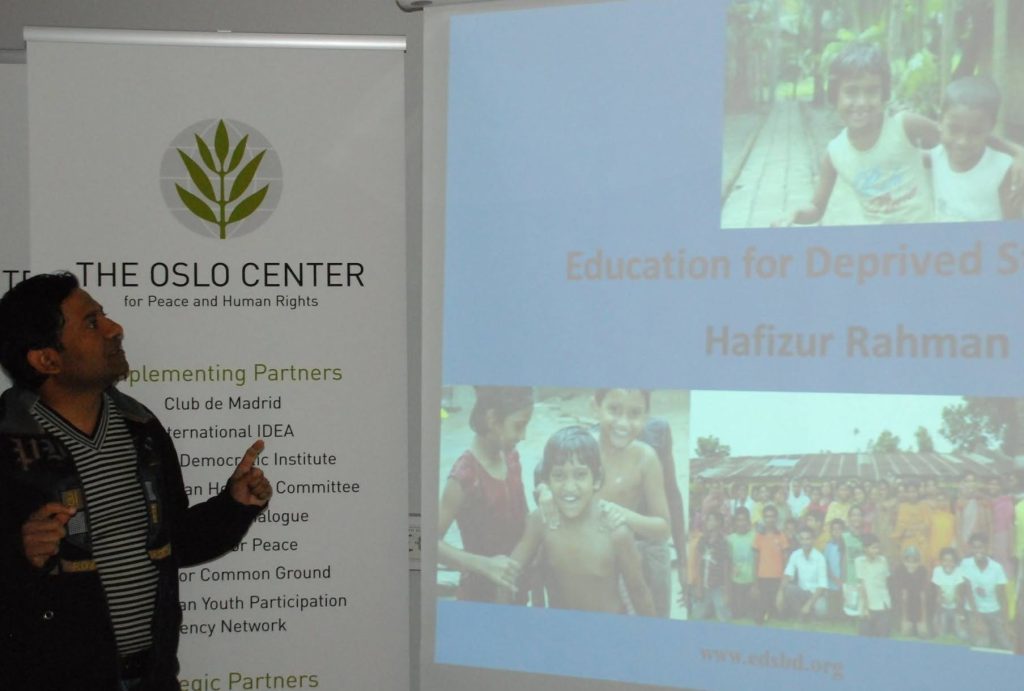
We have also been invited to lecture and run workshops on how we use action research to facilitate for transformative learning among children and youth. Some of the places we’ve shared our experience are NMBU, Norway, Khulna University, Bangladesh, UN Women and Ford Motor company, New York, Rotary, Unicef, the United Nations association of Norway, the Association of volunteer organizations in Norway, the Norwegian centre for peace and human rights, the Norwegian Development Fund and other universities and educational institutions and organizations in Norway.
Research collaboration with the Norwegian University of Life Sciences
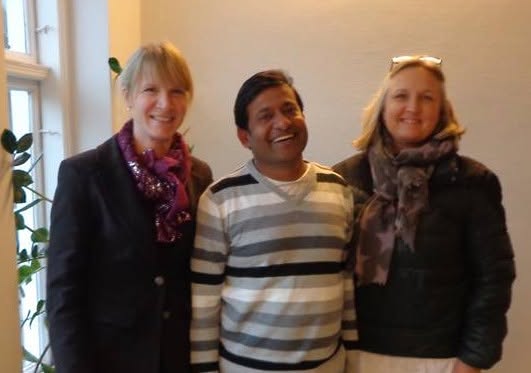
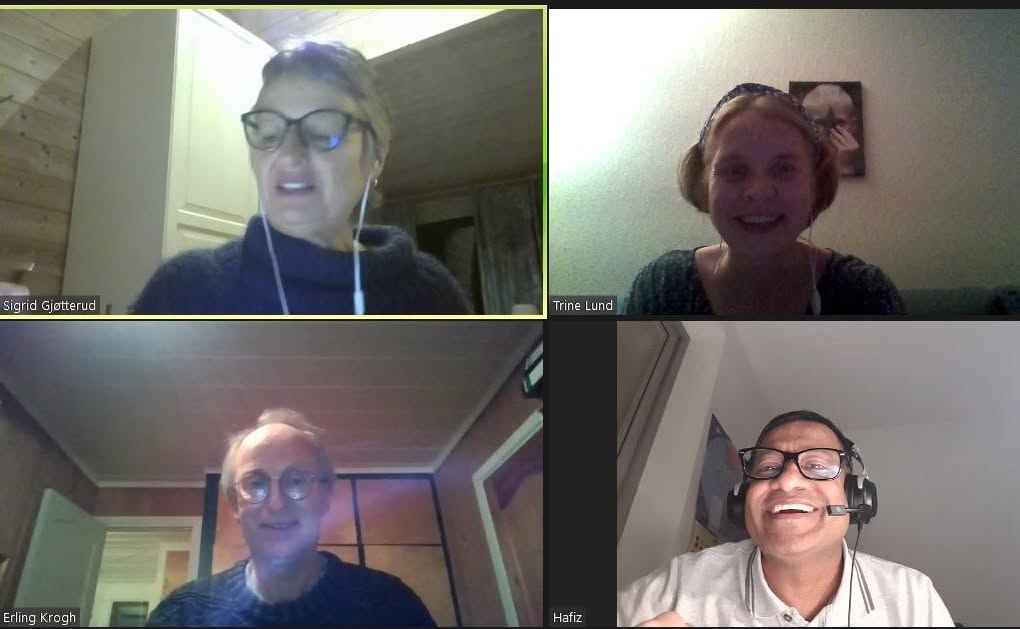
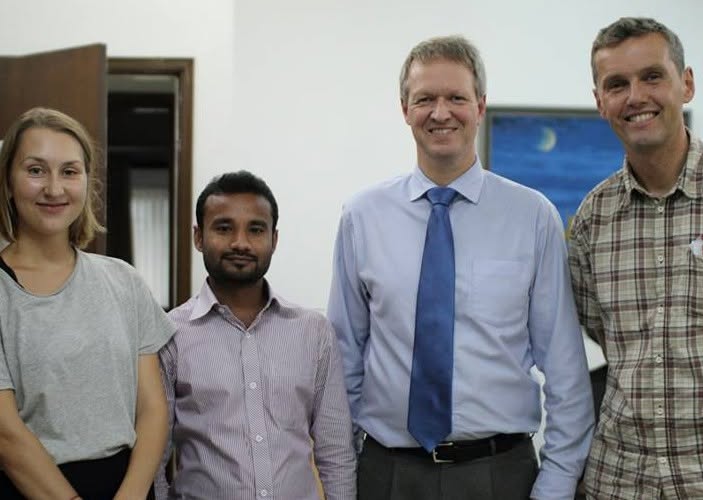
Lecture for Norwegian pedagogy professors and teacher students, NMBU, on how we use action research to facilitate for transformative learning in EDS. Former headmaster of NMBU. Teacher students Signe Aanby and Hilde Iren Norvalls doing practical teacher training in EDS under supervision of Md Hafizur Rahman PhD and Md Alamin. Professors Emeritus Erling Krogh PhD and Professor Sigrid Gjøtterud PhD from the NMBU discuss action research in EDS with Md Hafizur Rahman PhD and Trine Lund.
We collaborate with Khulna University of Engineering and Technology (KUET), Khulna University (KU) and local authorities. Professors from Dhaka University are also interested in our pedagogy and visit EDS to learn and inspire our children and youth for higher education.
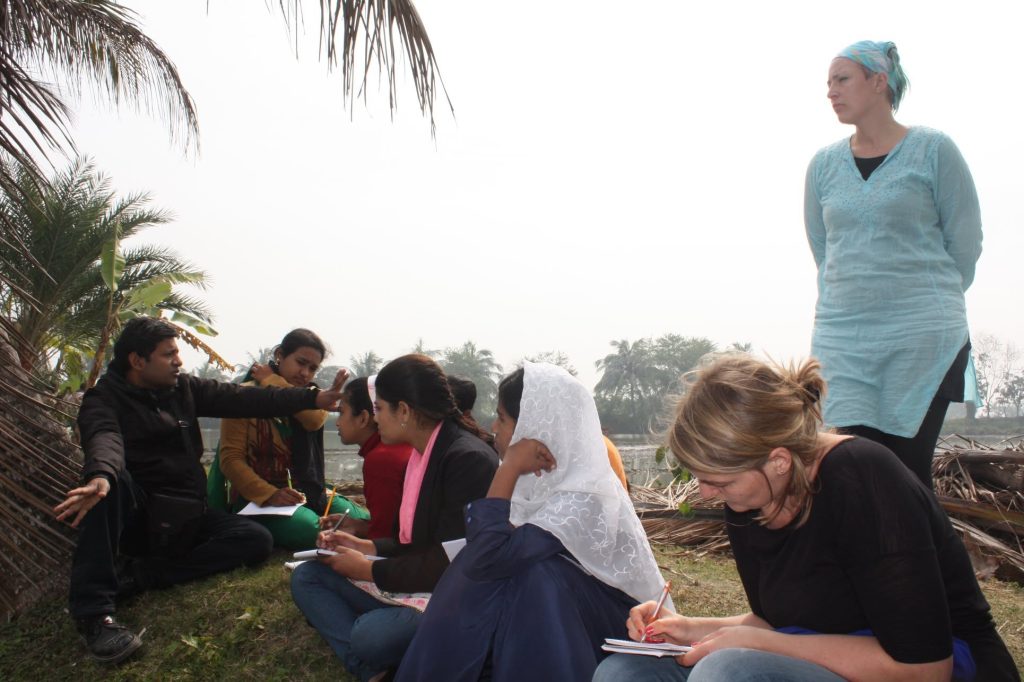
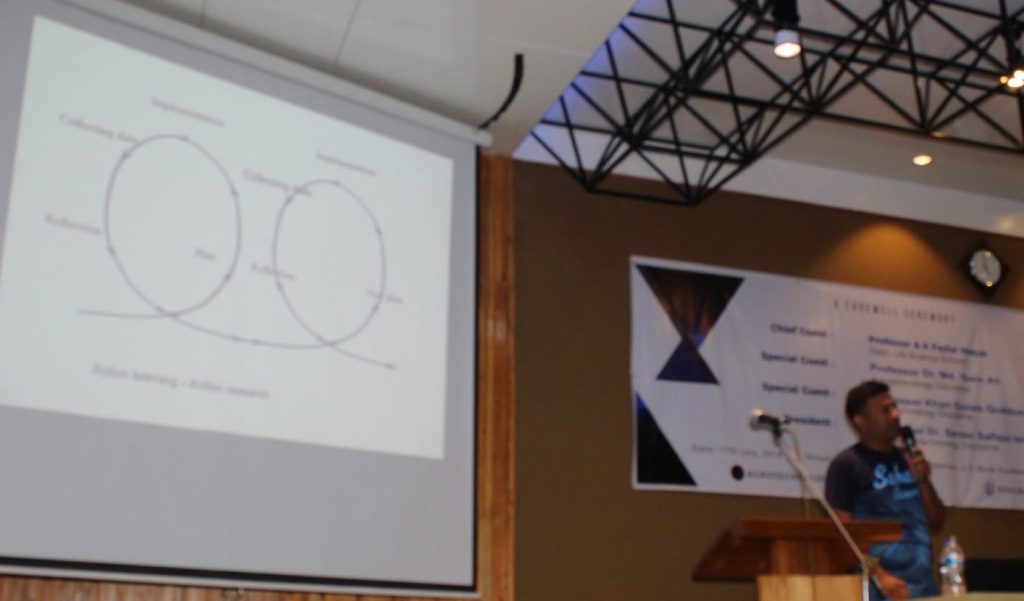
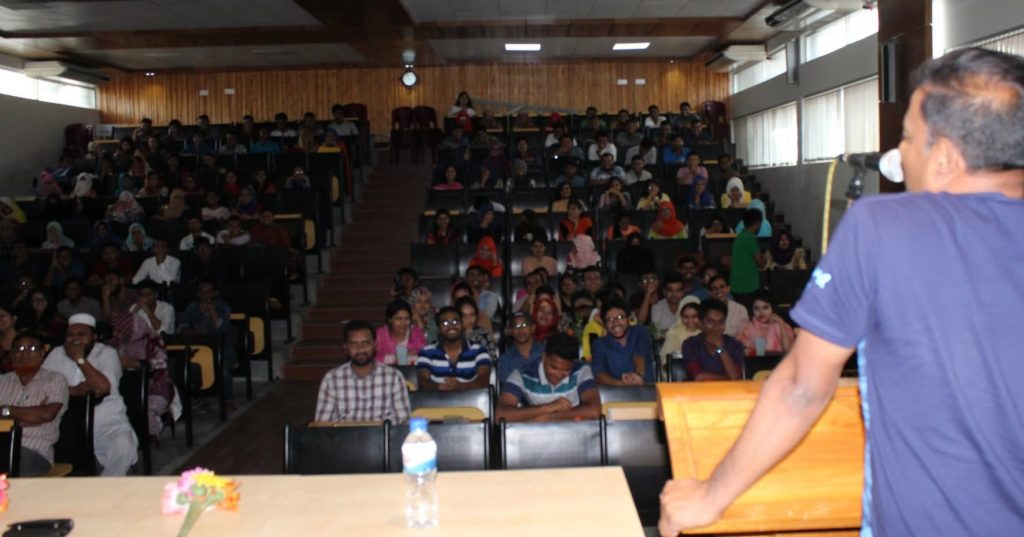
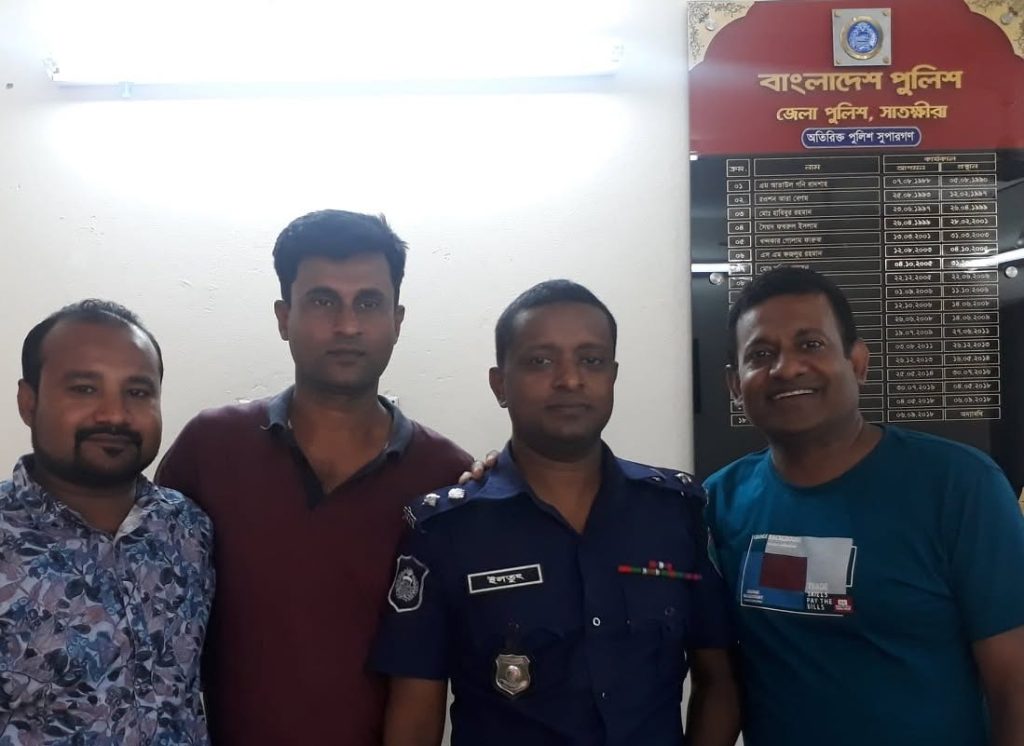
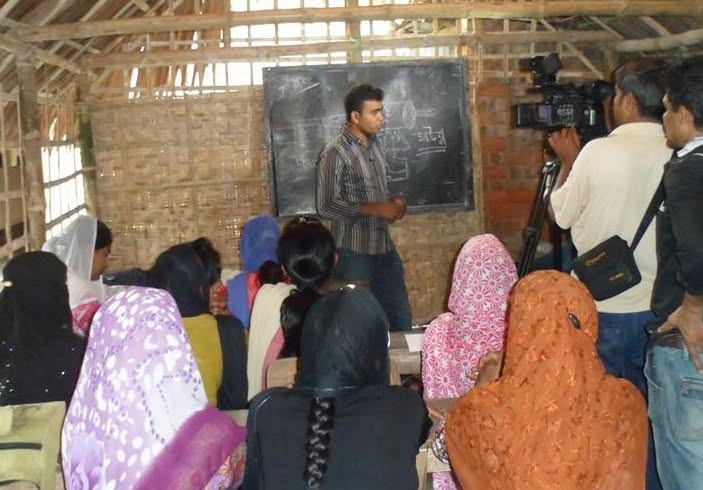
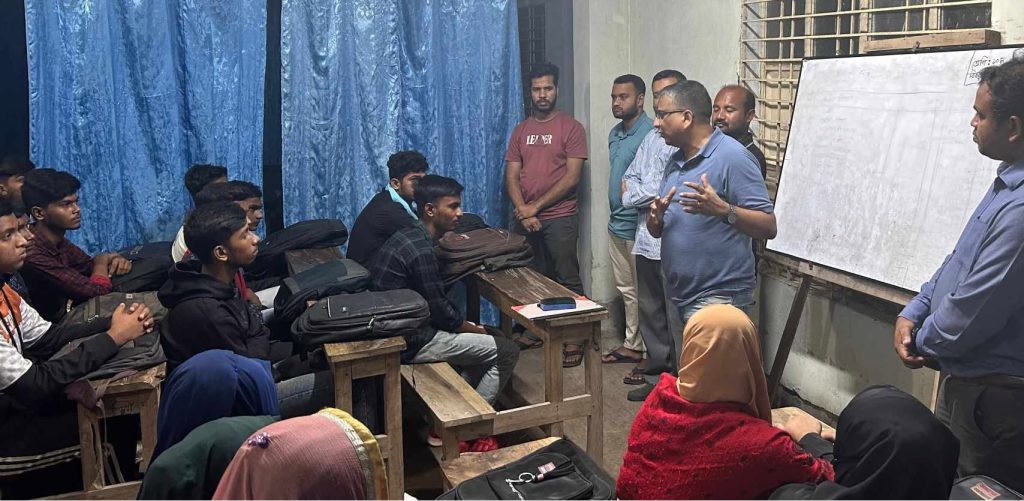
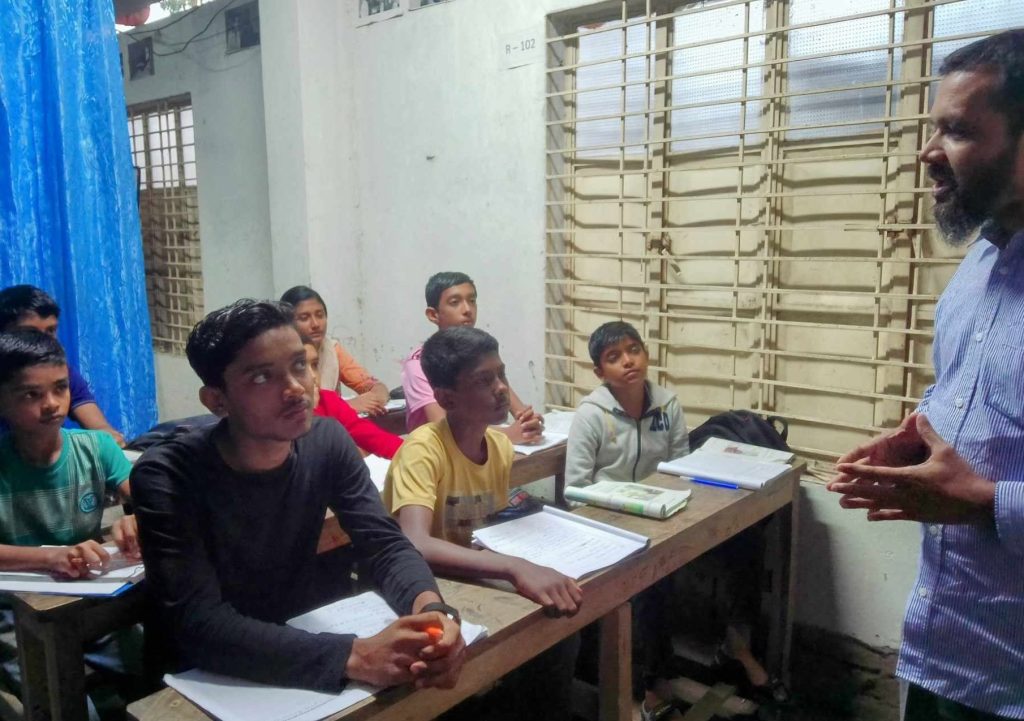
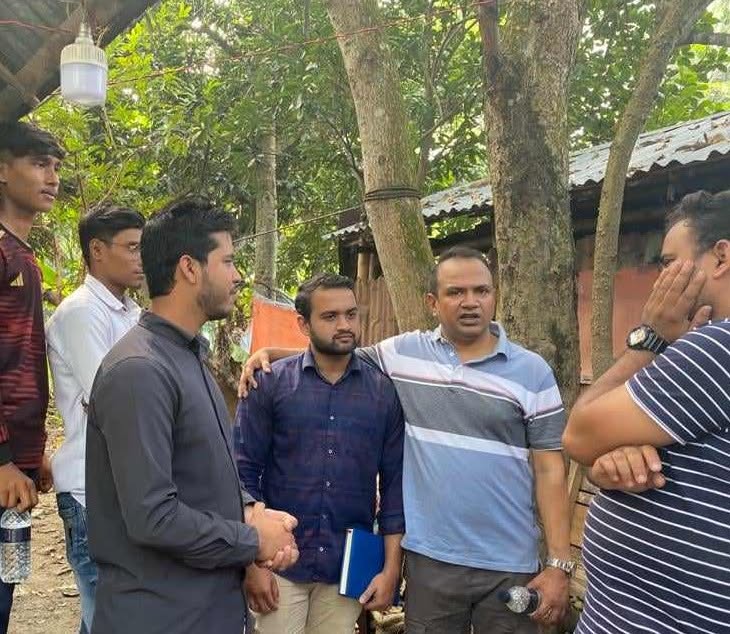
Md Hafizur Rahman PhD lecturing about the EDS model to professors and students at the KU. KUET and KU students teach in EDS and help translating for international students visiting EDS. Local authorities and university professors visit EDS to learn how EDS uses action learning and research to facilitate empowerment of children and youth so they become resources for their community, nation and inspire people internationally. Professors in Agrotechnology, KU Dr. Sabiha Sultana, Dr. Md. Sarear Jahan, Dr. Md. Monirul Islam, Dr. Sarder Safiqul Islam, Dr. Md. Shafiqul Islam, Dr. Md. Mostofa Kamal, Dr. S.M. Abdullah Al Mamun and Dr. Md. Yamin Kabir. Former Vice Chancellor KU Mohammad Fayek Uzzaman, Associate professor KU Chhoa Mondal, Assistant professor Md. Maruf Billah and Head of the Economic department KU Dr. Md. Nasif Ahsan. Assistant Director, Khulna development Authority Jakia Sultana Anny and former ADC, DB Khulna police Kamrul Islam. Dr. Ashfaque Ahmed, Department of Botany, University of Dhaka. Are all names spelled correctly?
EDS is working preventively to hinder that youth join youth gangs and illegal activities. You motivate the youth to engage in activities to develop themselves and their community. You are doing the work of the police should do.
Norwegian educational institutions, from primary school to universities, and international humanitarian and development organizations invited us to learn about the EDS method.
The value of social capital and how to use it
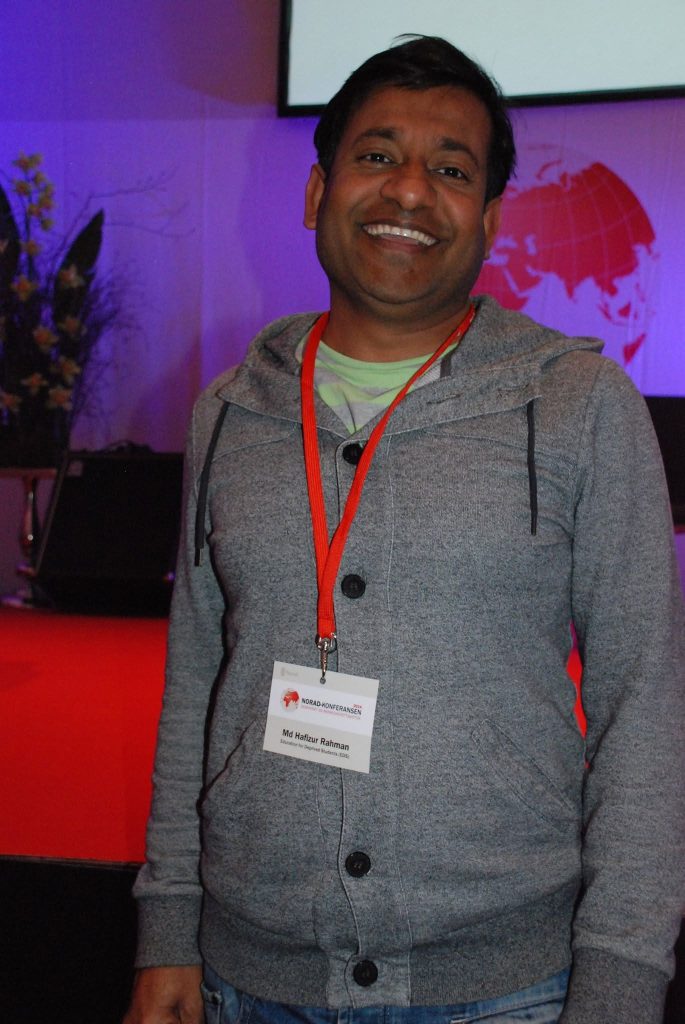
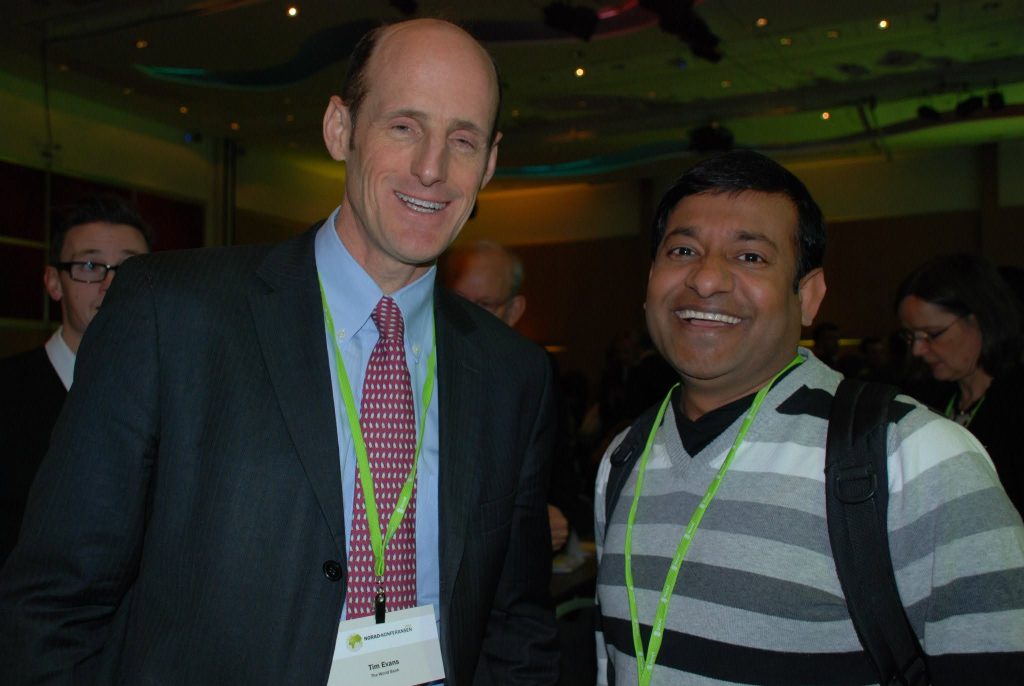
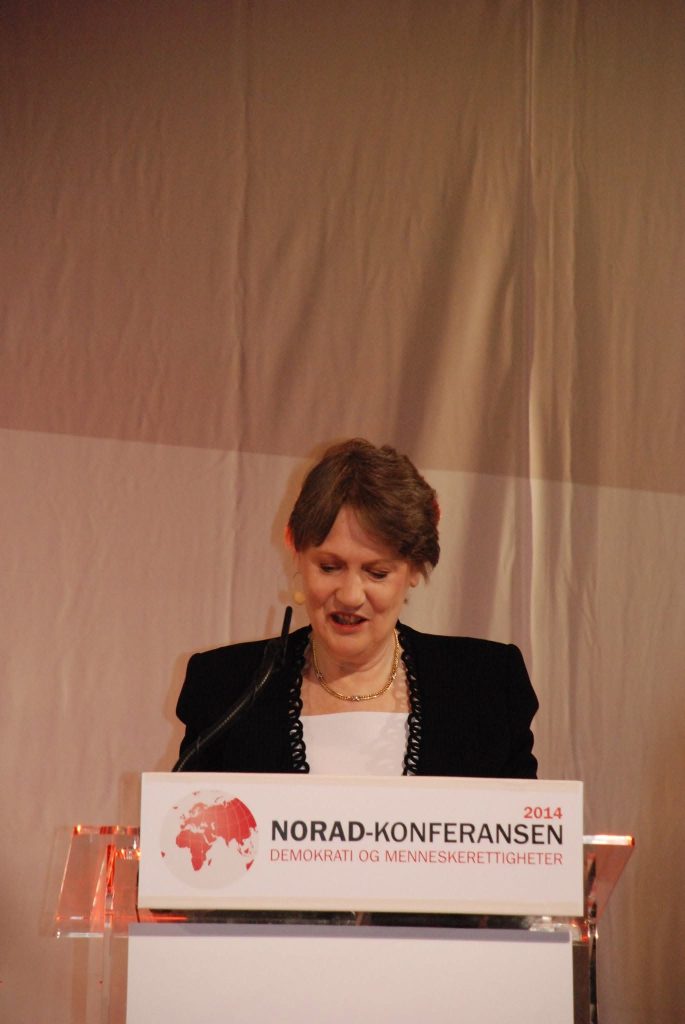
At a Norad conference in Norway, Hafiz told the Norwegian Crown prince Haakon about his transformational story and EDS. The Crown Prince said surprised: “Your story is like a movie, it’s unreal. You could get a lot of funding for EDS. Most people at this conference are looking for funding, why are you not doing that?” Hafiz responded:
“If you had given me one million crowners for EDS, I would use every single crowner for the purpose. Many children would get education, but when the money would be completed, the children may forget about it. If you, the Crown prince would instead call an EDS child to tell that you had heard what great volunteer work that child was doing. If you had told the child how proud you were to know that child was a teacher giving vulnerable children education, the child would feel so acknowledged and proud and carry this feeling with him or her for life. The impact would last longer. Imagine, that someone you really look up to call you and said, ‘I’ve heard about you, you are doing a great job, I’m so proud of you’. Imagine how inspired you would become to continue your good work. For the vulnerable children who come to EDS it is unthinkable that a person with high social capital would bother about how they are doing, acknowledge them, give them time nor treat them like a friend.”
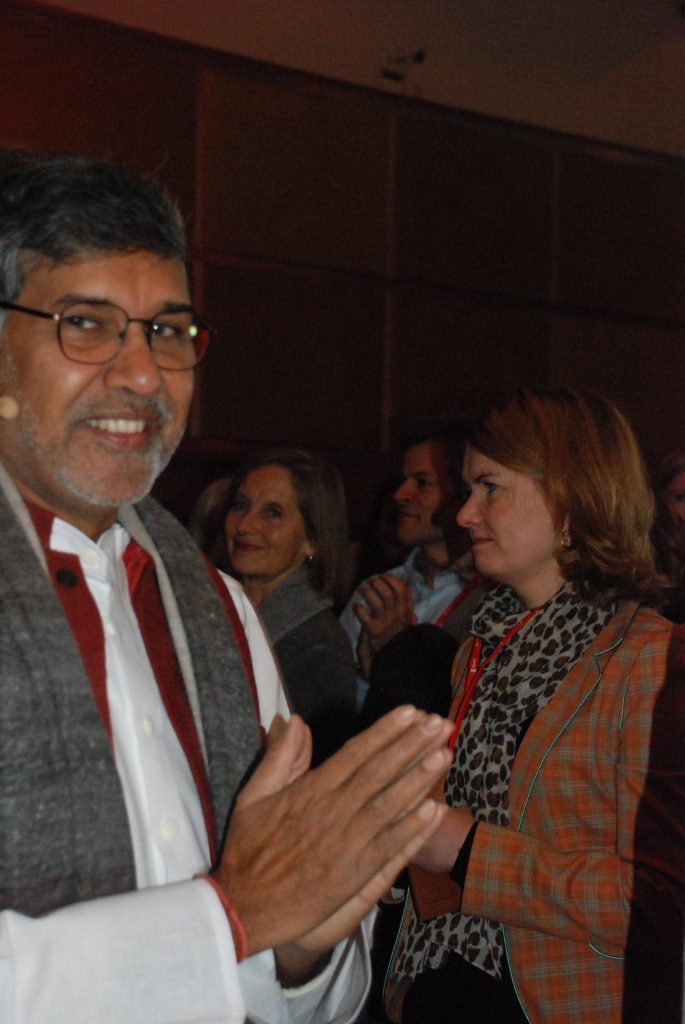
Nobel peace prize winner Kailash Satyarthi, the UNDP Bangladesh and the Norwegian ambassador in Bangladesh were inspired to hear about how EDS children and youth are driving forces who develop their community.
In EDS we see feelings, care, love and acknowledgment as driving forces for development. When we asked the boys in the Shishu Palli governmental orphanage what they need and whether we could give them pens, books, clothes or toys, they said: “We want a family and people who love us, care for us and play with us”. For this reason, we try to make every child and youth feel we are a family who love, care for and value each other. We give each other time, play and enjoy together and treat each other as resourceful persons.
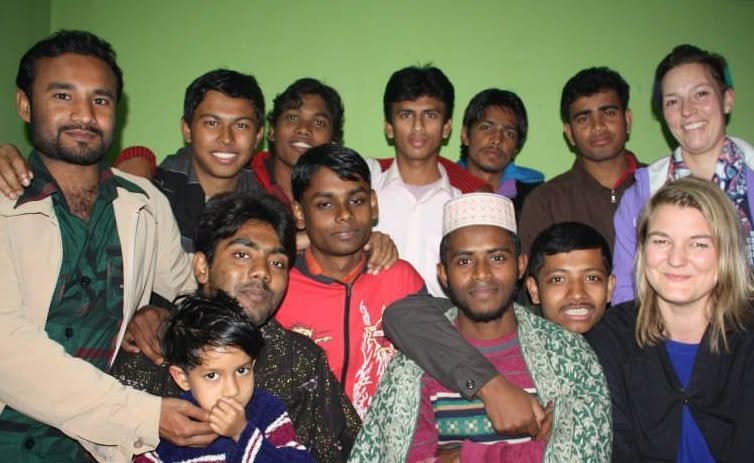
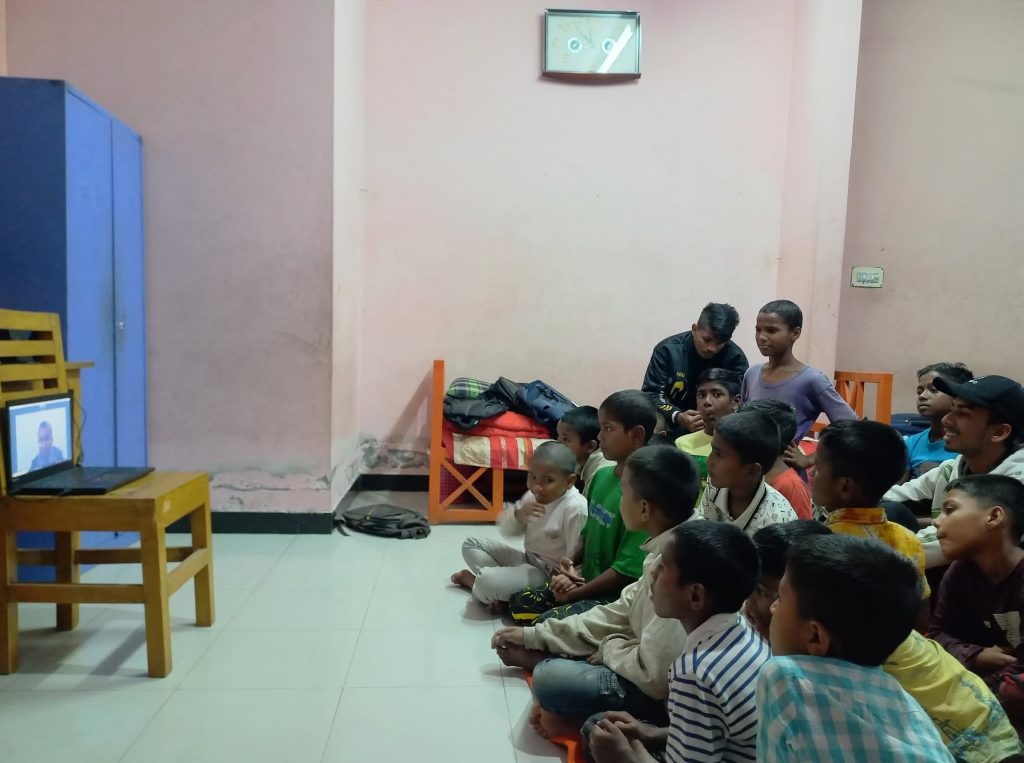
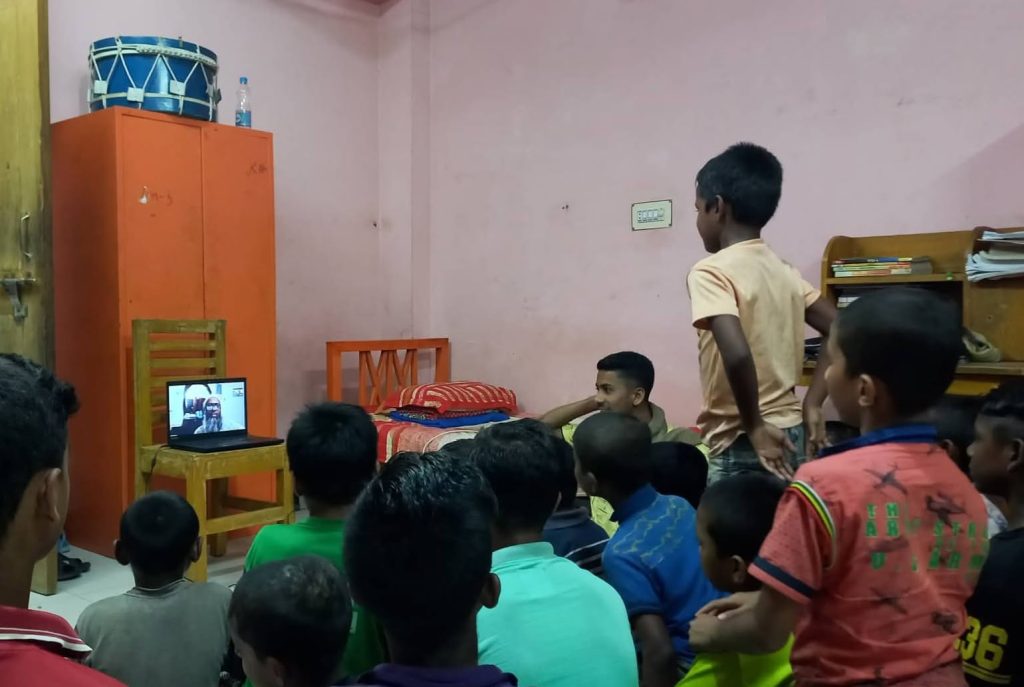
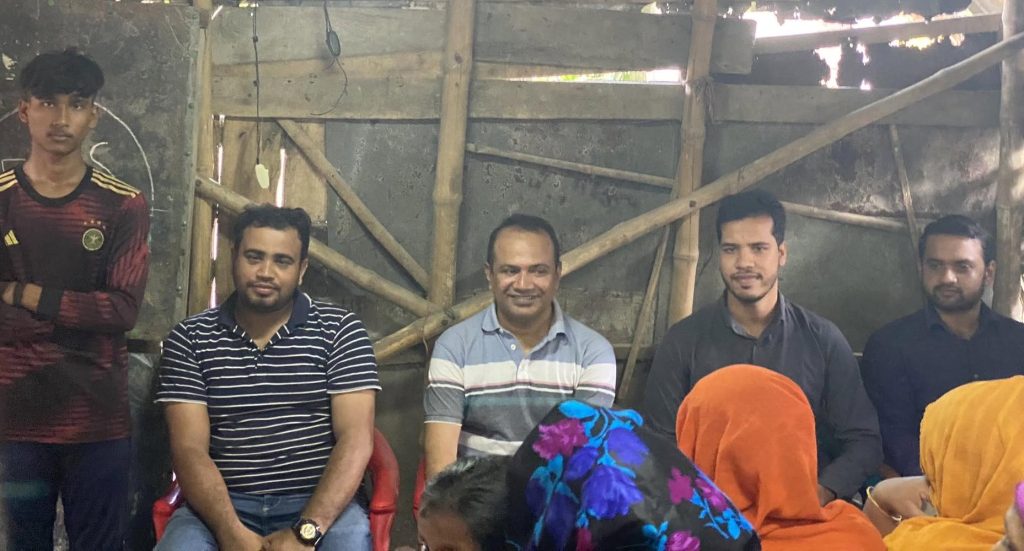
Therefore, we invite people with high social capital to join EDS and connect with and show their love to our EDS children and youth, including the boys at the Shishu Palli governmental orphanage, so they can inspire each other.
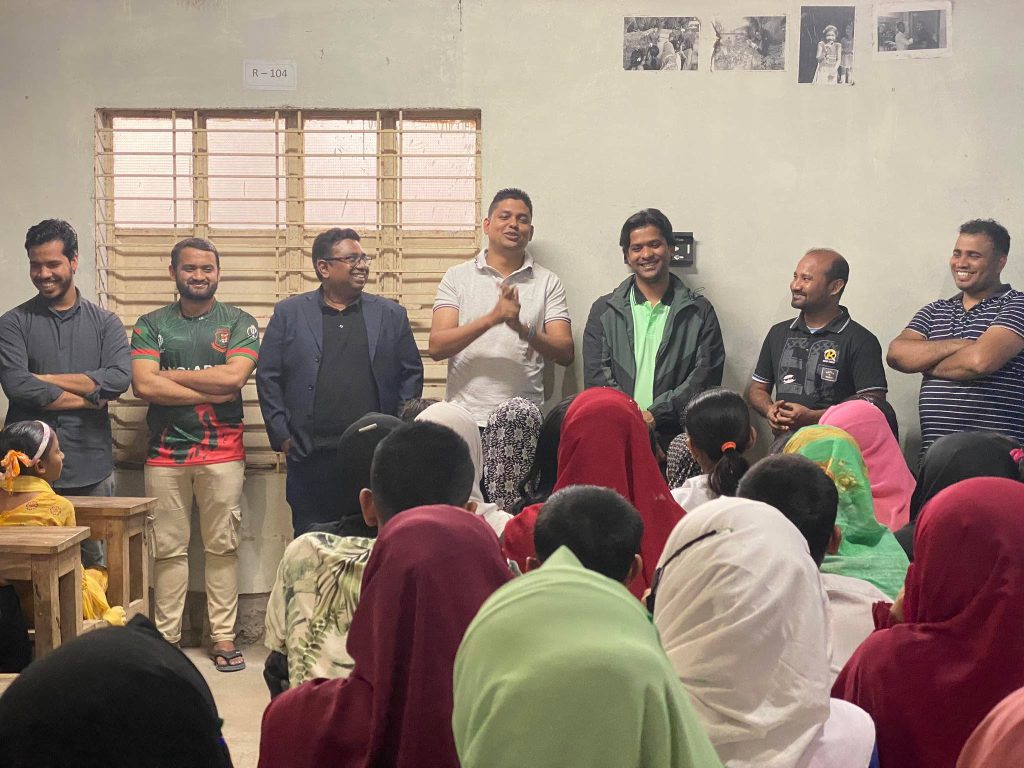
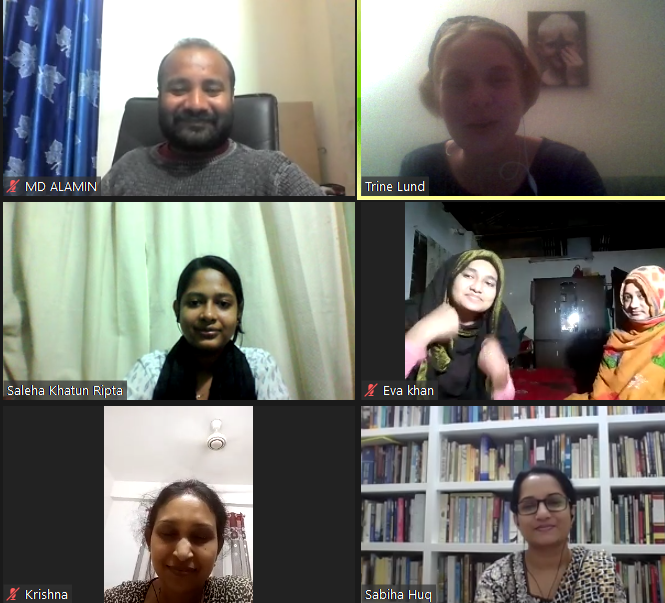
EDS youth leaders facilitate mutual learning between Professor Sabiha Huq PhD, Khulna University, Aktar Hossain, Director in the Ministry of Foreign Affairs Bangladesh, Nurul Hassan, Ex-Program coordinator PKSF and the boys in the Shishu Palli governmental orphanage. Sabiha, Aktar and Nurul motivate the boys to believe in themselves and their inner resources, get education and contribute to building a community based on life affirming values.
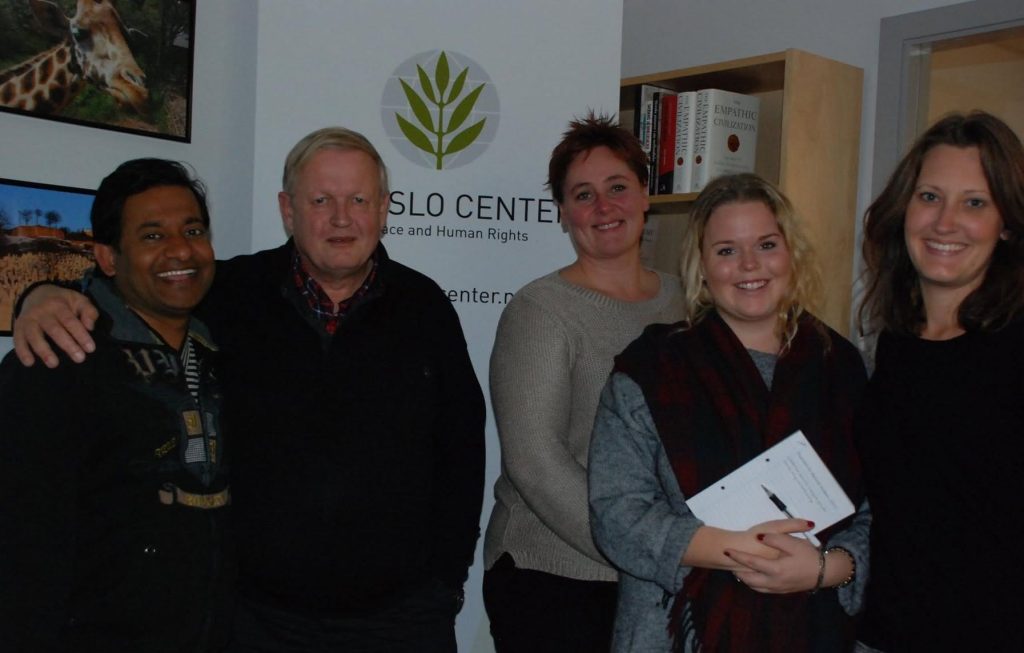
“When Hafiz first asked me to call and motivate the EDS children, I felt uncomfortable and believed that my call would not have any impact on them. After calling Ibrahim, I realized that my call made him feel valuable and he became increasingly confident that he was a good teacher and did a valuable work in helping other children to get education. I realized that my call indeed had an impact and that I could play a role in development by being friends with the children and youth. My belief in them increased their belief in themselves.” Trine Lund, co-founder of EDS
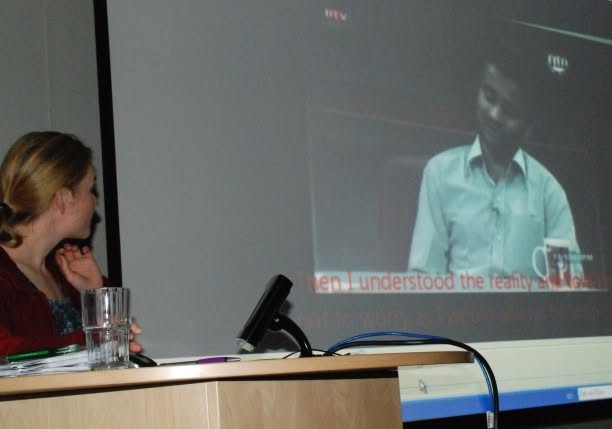
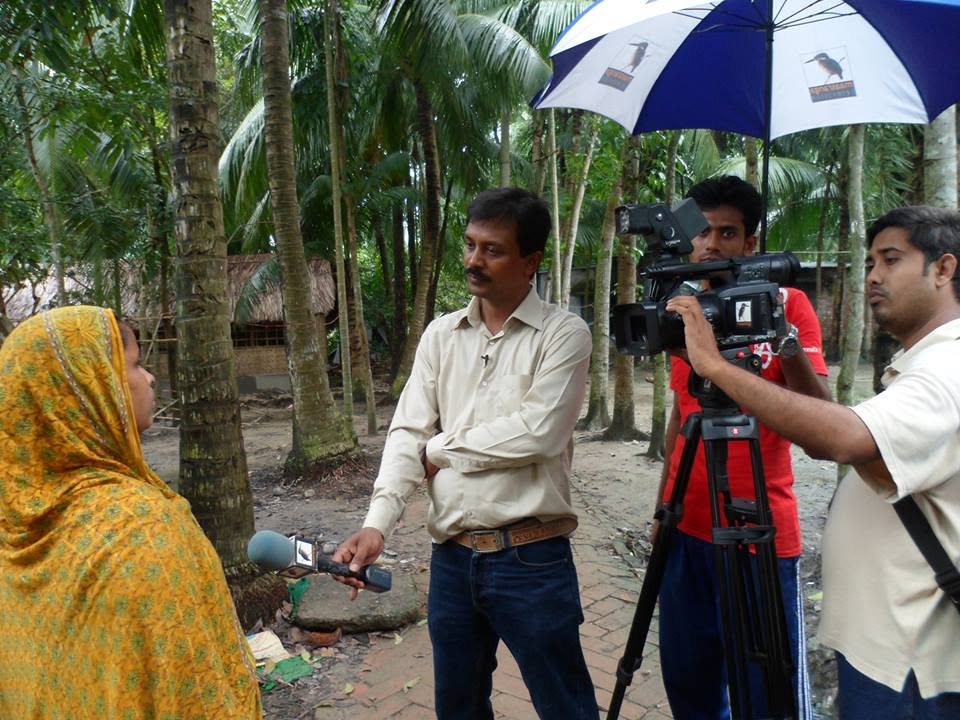
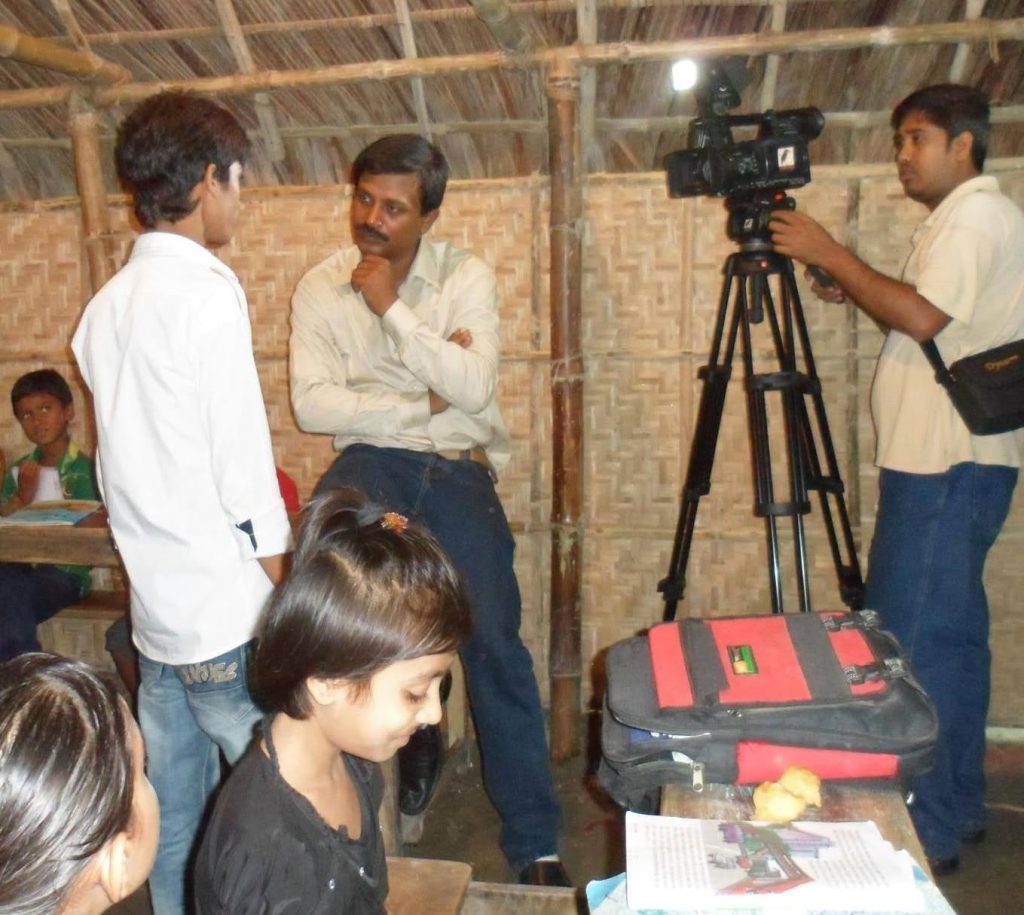
The regional TV station in Khulna, Mashranga, made a documentary to show the positive developmental effect of EDS on local children, youth, parents and the community.
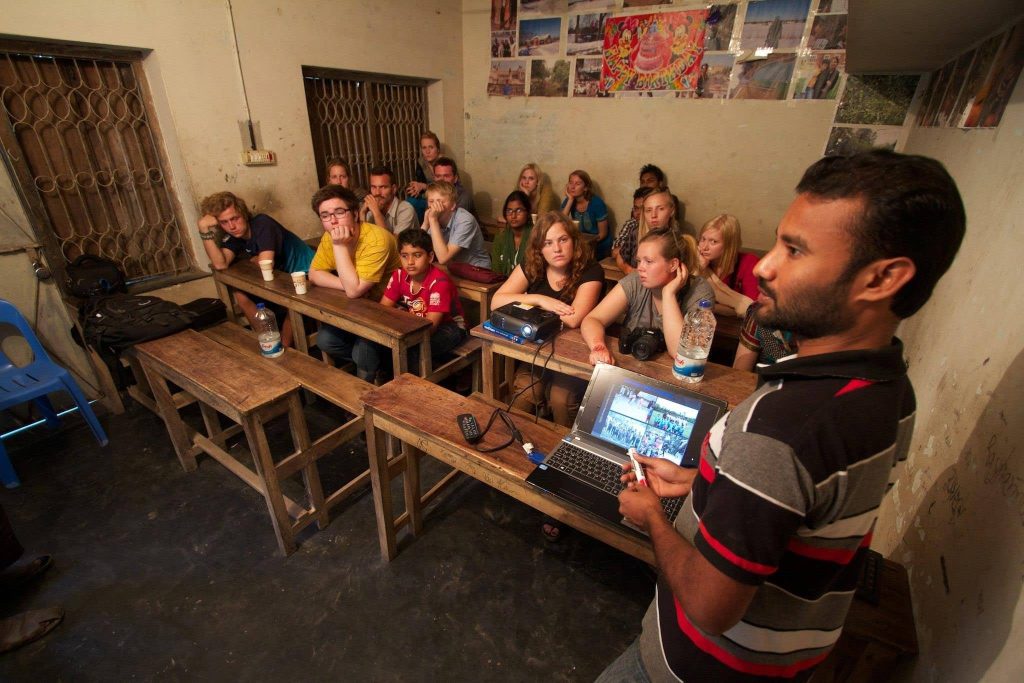
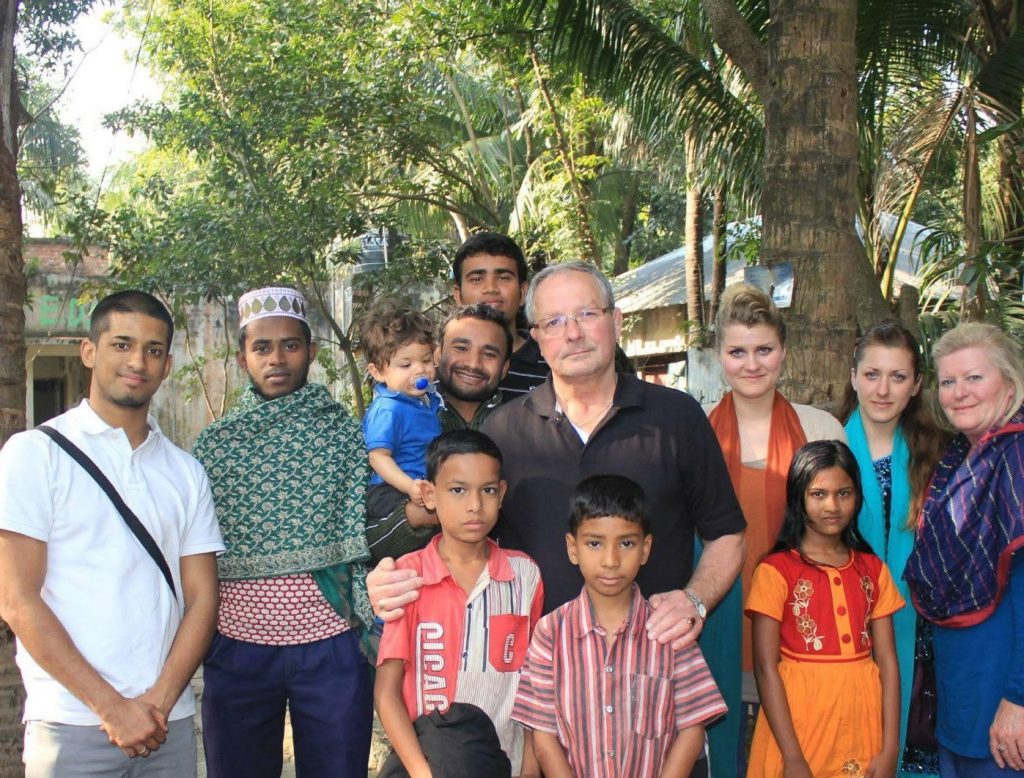
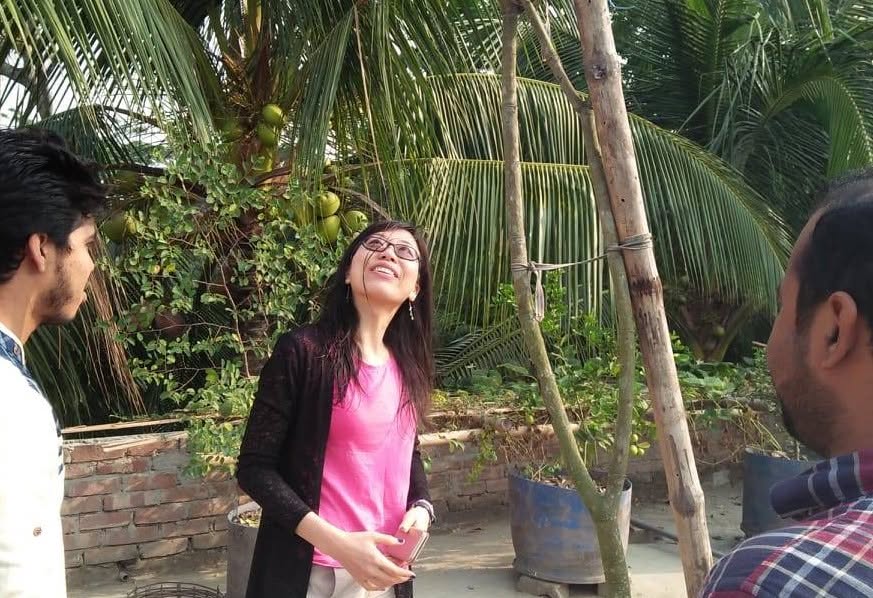
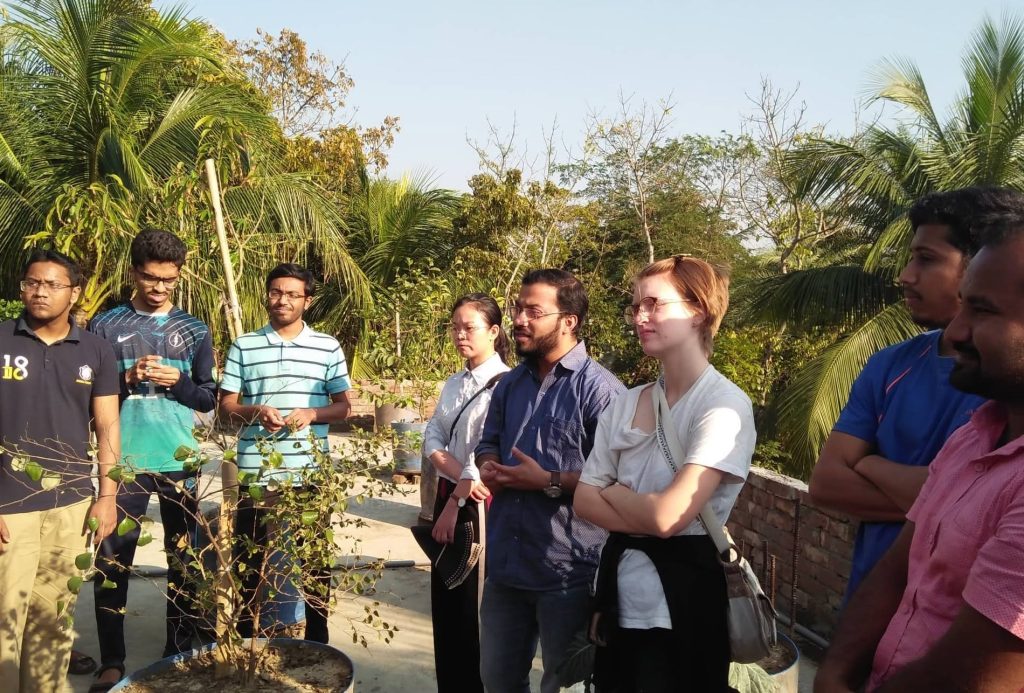
International students, private persons and organizations visit EDS to learn
When I heard about EDS (Hafiz gave a lecture to the UN, Sund folk college students in Norway before their departure to Bangladesh) I thought it was too good to be true. In my experience if something seems to good to be true, it often is. But when we visited EDS in Bangladesh we realized that what Hafiz had told was true
Jacob Steenberg Thompson, teacher for the UN class at the Sund folk college, Norway.
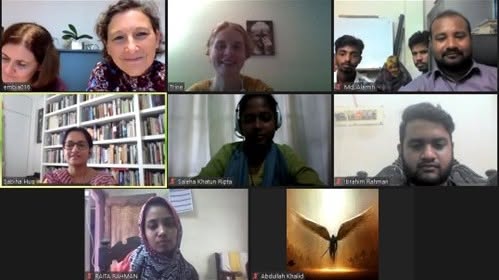
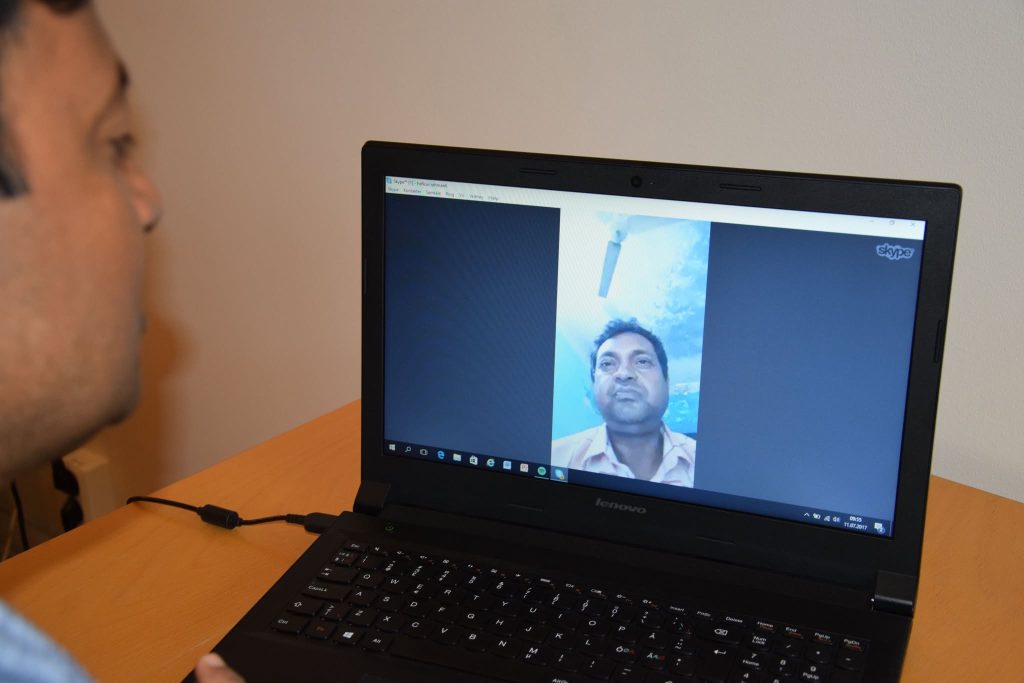
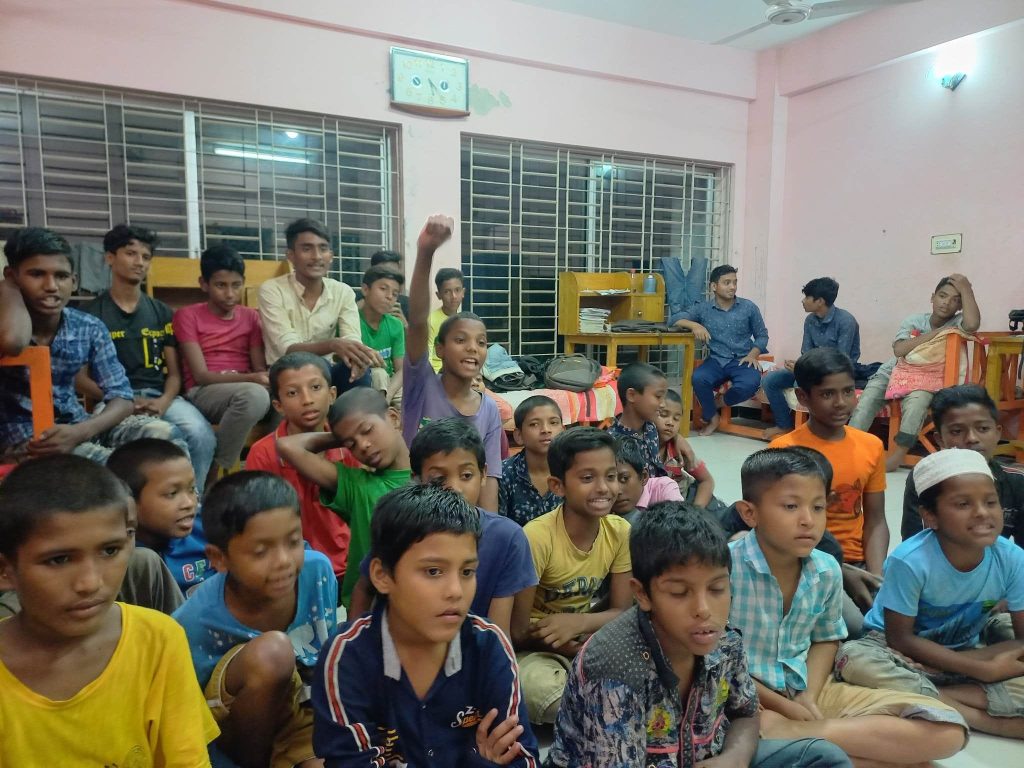
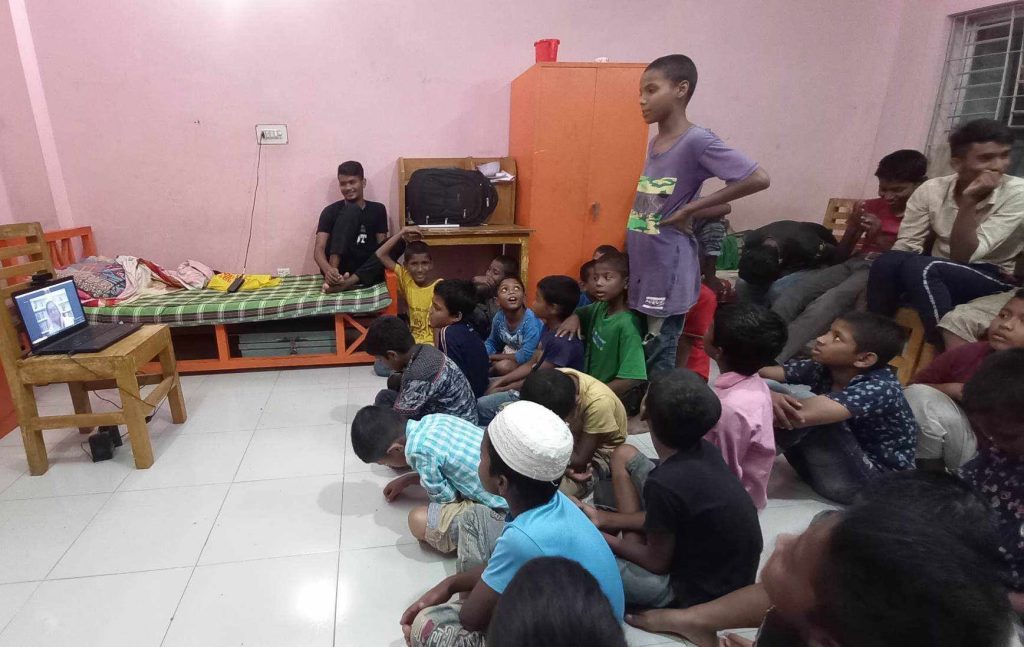
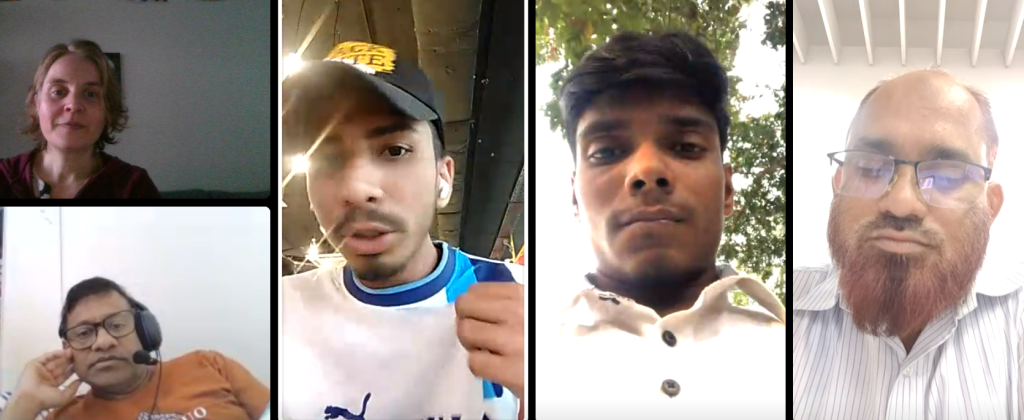
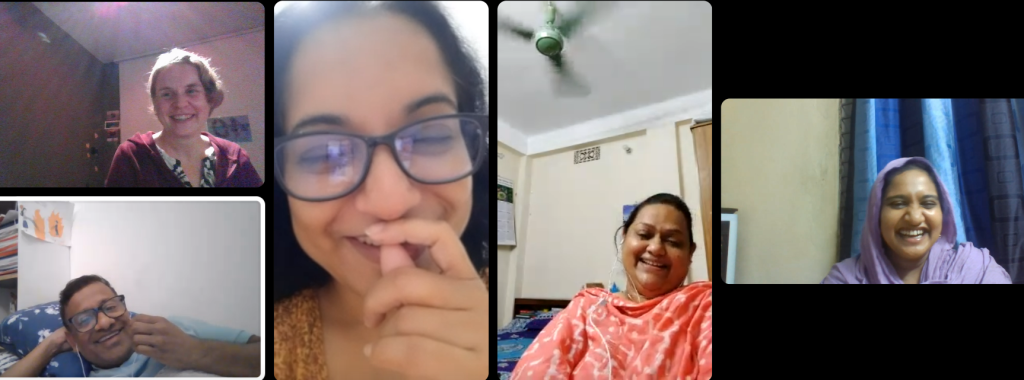
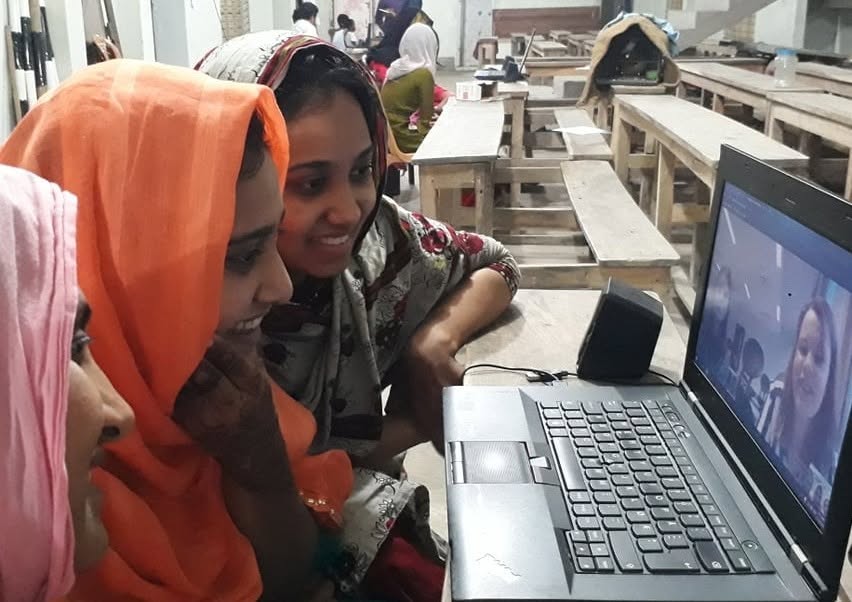
Our EDS Executive Committee members collaborating with our EDS children and youth. The EC members visit and communicate with our EDS children and youth through video meetings. They listen to and acknowledge the children and youth’s efforts, celebrate their success and inspire them to learn more, get higher education and develop small scale social business which can economically empower the EDS youth, their families and the community.
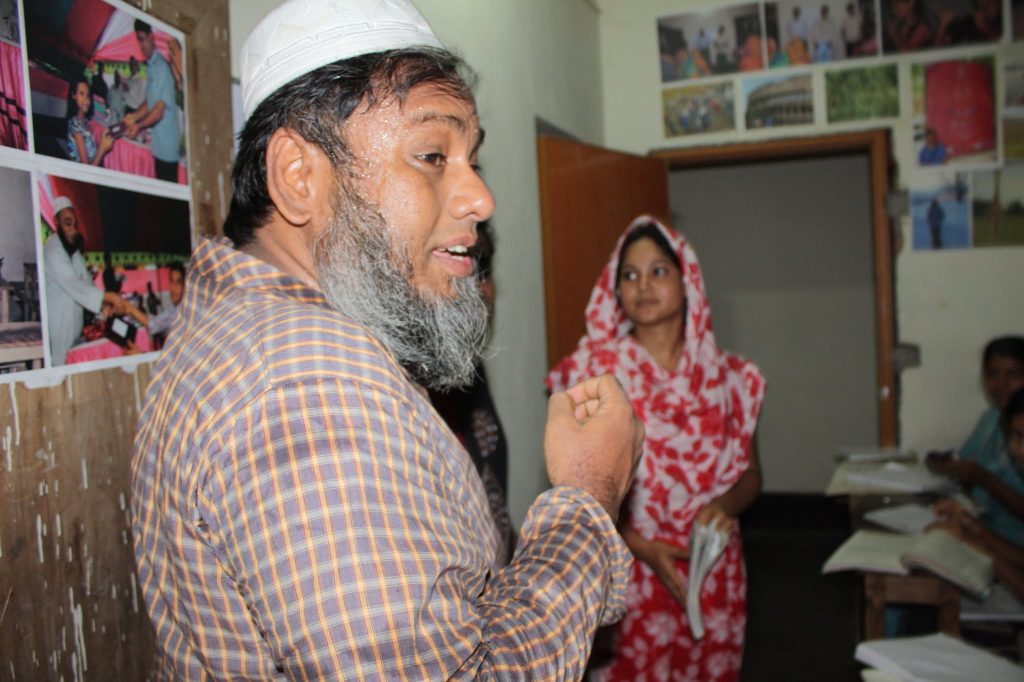
Hafiz can you fill in the name of your friend? …..grew up in economically poor conditions at the Ajax jute mills. His father worked as a daily labour in the jute mill. Their roof was leaking and often they did not have enough food. With the motivation and guidance from Hafiz, ….continued his education. Now he works as a medical doctor, has helped all his… siblings to get higher education and takes care of his parents. Mohon Mia worked in the Ajax jute mills as a child. With the motivation and guidance from Hafiz, he completed his education, completed an MBA in Australia, work in …. They both came back to EDS to share their transformational stories with the EDS children, youth and their parents to tell that you can change your life an the life of your family through education and determination.
Link to the Fb text of Mohon Mia
Living Educational Theory Research with UK researchers
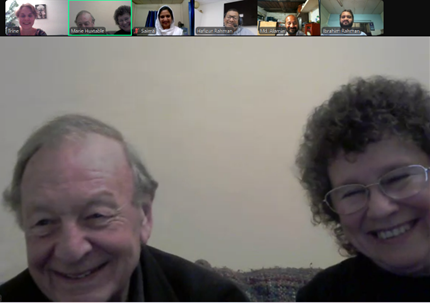
We conduct Living Educational Theory Research together with Professor Jack Whitehead PhD and Head editor of the European Journal of Living Theories Marie Huxtable PhD, University of Cumbia, UK. We explore our living values, how we practice them and verify our claims to knowledge.
Results
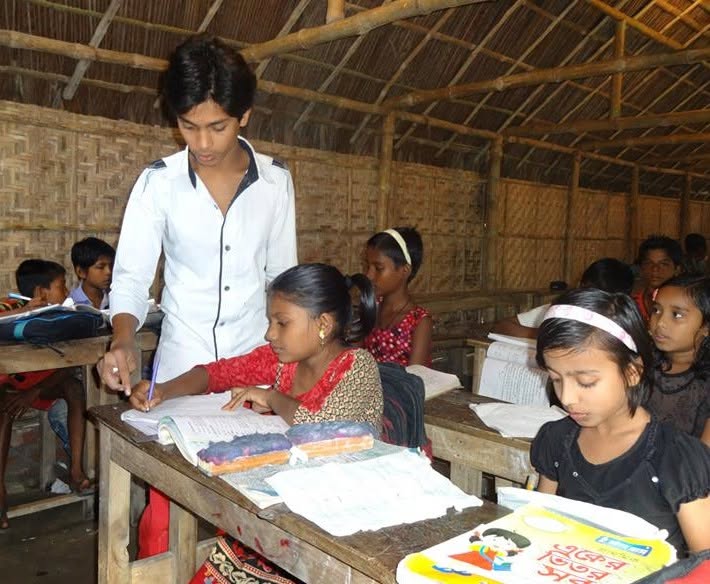
Vulnerable children and youth who earlier identified themselves as problems, troublemakers and unable learners now identify themselves as resources like leaders, teachers, change agents and volunteers. They feel proud to take on roles and responsibilities sin EDS.
Welcome to join us!