Research from EDS in international, peer-reviewed journals
We conduct action research on transformative learning with professor emeritus Erling Krogh and professor Sigrid Gjøtterud from the Norwegian University of Life Sciences:
Rahman, M. H., Lund, T., Alamin, M., Khalid, A. b. M., Krogh, E. (2001). Developing a transformative, cooperative living-educational-theory with children and youth in the EDS (Education for Development and Sustainability) community of practice in Bangladesh. EJOLTS 14(2), 26-50. Microsoft Word – hafiz378mh to jw.docx
Rahman, M. H., Lund, T., Alamin, M., Krogh, E. & Gjøtterud, S. M. (2021). Our transformative journey to become action researchers. IJTR 8(1): 9-19. Our transformative journey to become action researchers (sciendo.com)
We are conducting Living Educational Theory Research with professor Jack Whitehead from the University of Cumbria and Head editor of the EJOLTS Marie Huxtable. We explore our living values freedom, love, social justice, empowerment, joy and democracy. And how practicing these values has a positive, educational influence on own and other’s learning of school subjects and to be a human.
Our living posters exploring our living values: EDS gp page 120125
Videos of EDS made by our EDS youth
- Building relations to children and youth, 2006: EDS Bangladesh: Developing relation with children (playing cricket 2006)
- Building relations to children and youth, 2019: EDS Bangladesh: Building relation with children (EDS cricket 2019 by Dr. Hafizur Rahman)
- The farm as a learning arena: https://www.youtube.com/watch?v=cNALx96N9yE&feature=youtu.be
- Children are positive change agents: EDS Bangladesh: Children are positive change agents for the society
- EDS action research: EDS holistic approach: Action Research
- EDS picnic 2024: Empowering students through experiential learning: EDS Picnic, 2024: Empowering Students Through Experiential Learning
- Movie on transformative learning written and directed by EDS volunteers: Transformation of youths: Education for Development and Sustainability (E DS)
Interviews and documentaries about EDS
EDS leader Alamin interviewed by the national Bangladesh TV in a program about Young Bangladeshi leaders.
- EDS at the Bangladesh national television BTV World (Bangla)
- EDS at the Bangladesh national television BTV World (English subtitles)
The regional TV station Mashranga TV made a documentary about the EDS
Newspaper articles about EDS
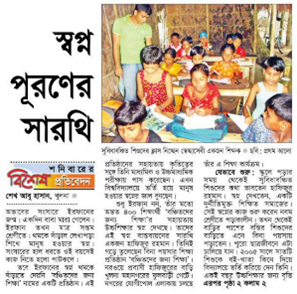
The person who works to fulfil the dreams of others (2011)
Prothom Alo, leading newspaper in Bangladesh
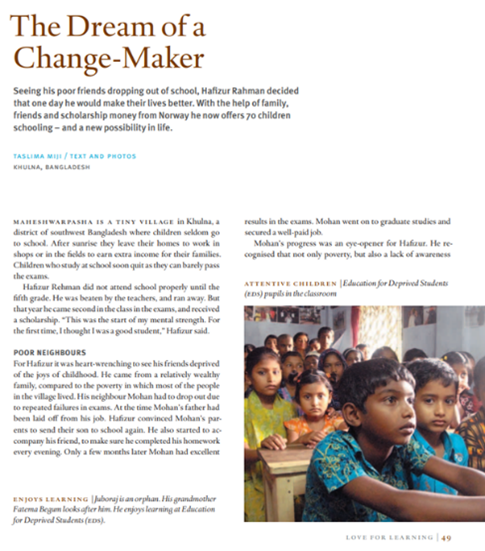
The story of how Hafiz developed EDS
The dream of a change maker
p. 48-50 in Global knowledge. Norad’s representative in Bangladesh wrote about EDS after visiting our organization.
Seeing his poor friends dropping out of school, Hafiz decided that one day he would make their lives better. With the help of family, friends and scholarship money from Norway, he gives children education.
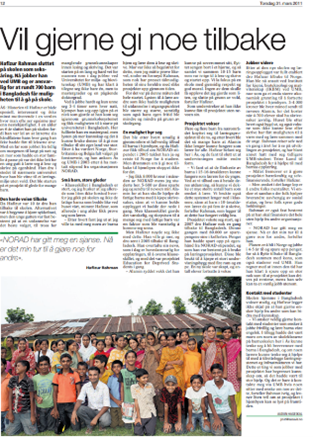
Wants to give something back
Vil gjerne gi noe tilbake
Ås avis, Hageskal, A.
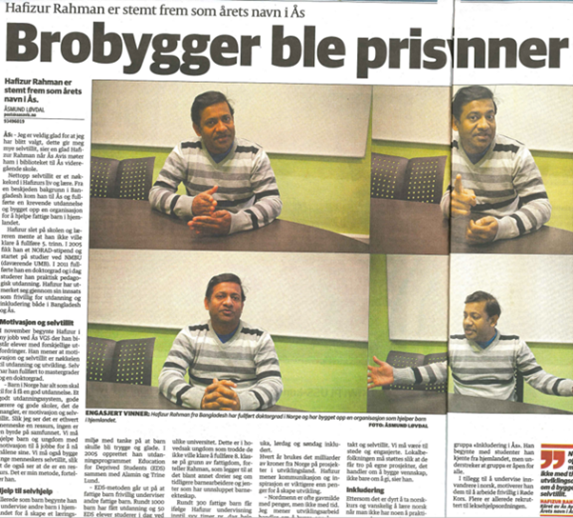
Hafizur Rahman is voted the name of the year in Ås
Hafizur Rahman er stemt fram som Årets navn i Ås
Ås avis, Løvdahl, Å.
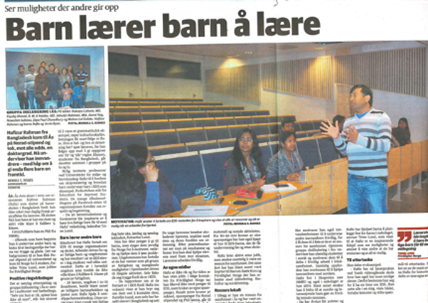
Nyheter | Leserne stemte fram Hafizur Rahman som årets navn i Ås
Sees possibilities where others give up. Children teaching children.
Ser muligheter der andre gir opp. Barn lærer barn å lære.
Ås avis, Risnes, M. S.
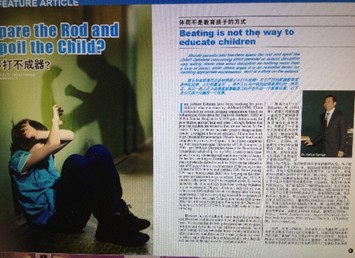
Beating is not the way to educate children
From a Chines UN magazine
Hafiz telling the deadly consequences beating children can have and he proposes ways to friendly motivate children for learning instead.
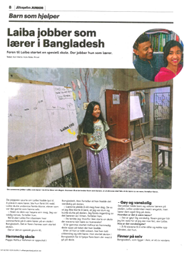
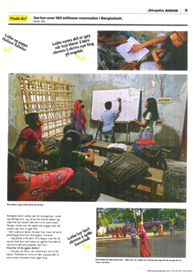
Laiba works as a teacher in Bangladesh
Hole, K. M. (2022). Laiba jobber som lærer i Bangladesh, Aftenposten junior, s. 8-9
Laiba, a Norwegian student, is mentoring and teaching in EDS. She uses games and interactive methods to engage the students and make learning fun. She is interviewed by the national Norwegian newspaper Aftenposten junior.

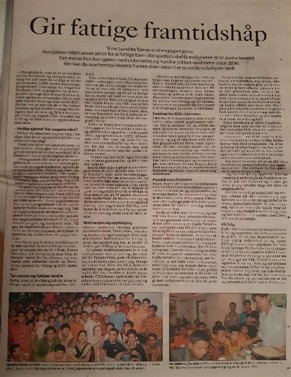
Gives poor people hope for a future
Eskelund, T. (2008). Gir fattige framtidshåp. Øyene
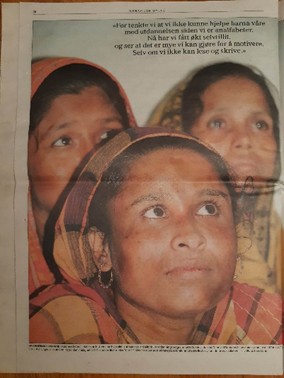
Trine’s experiences when being with the EDS children in Bangladesh, 2009
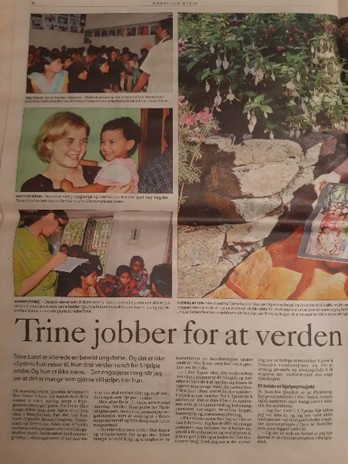
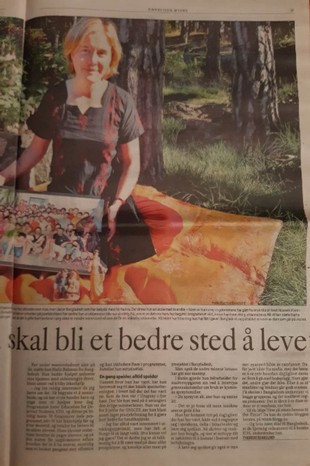
Trine strives to make the world a better place to live
Espelund, T. Trine jobber for at verden skal bli et bedre sted å være. Øyene
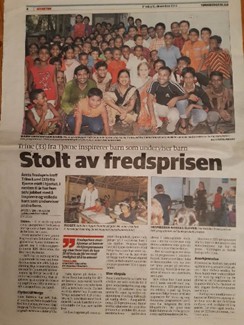
Proud of the Nobel peace prize
Sørumshagen, Ø. (2014). Stolt av fredsprisen. Øyene
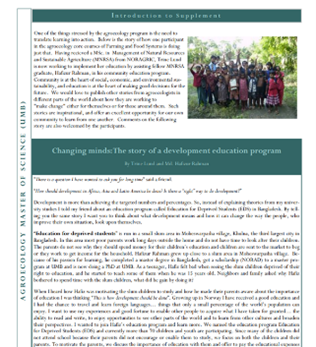
Changing minds: The story of an educational development program
Lund, T. & Rahman, H. (2008). Changing minds: The story of a development education program. Agroecology Newsletter 3 (2): 3-4
What is the right way to do development? The story of EDS shows how resource poor parents struggling to make the ends meet, now focus on enabling their children to access education as an investment in their children’s future
References
1.reducing-global-poverty-through-universal-primary-secondary-education.pdf (unesco.org)
2.Bangladesh Child Marriage report 2020.pdf.pdf (unicef.org)
3.webapps.ilo.org/ipecinfo/product/viewProduct.do?productId=28175
4.Our transformative journey to become action researchers (sciendo.com)
6.Report-ECP-STVAC-2018.pdf (blast.org.bd)
8.Bangladesh 2019 MICS Report_English.pdf (unicef.org)
9.Engaging in Educational Research: Revisiting Policy and Practice in Bangladesh — Monash University
10.‘Corporal punishment is rooted in Bangladesh’s culture’ (dhakatribune.com)
11.PHP Report 1.4 (blast.org.bd)
12.Teen Gang Culture: Too dangerous to be ignored | The Daily Star
14.Teen stabbed dead by “teenage gang members” in Khulna | The Daily Star
15.94% women victims of sexual harassment in public transport (brac.net)
- https://worldpopulationreview.com/countries/bangladesh-population
- World Development Report 2018: Learning to Realize Education’s Promise
- SASSACBBBGDLPBRIEF.pdf
- Final Report APSC 2023.pdf
- Why is student dropout rate increasing?
- United Nations (2018). World Youth Report: Youth and the 2030 Agenda for Sustainable Development. New York, NY: United Nations. Retrieved May 20, 2021, from https://www.un.org/development/desa/youth/world-youth-report/wyr2018.html
- Transformative, transgressive social learning: rethinking higher education pedagogy in times of systemic global dysfunction – ScienceDirect
- Bangladesh – youth unemployment rate 2002-2021 | Statista
- Lotz-Sisitka, H., Wals, A. E. J., Kronlid, D., & McGarry, D. (2015). Transformative, transgressive social learning: Rethinking higher education pedagogy in times of systemic global dysfunction. Current Opinion in Environmental Sustainability, 16, 73– 80. doi:10.1016/J.COSUST.2015.07.018
- World Bank Group (2018). The World Development Report 2018. Downloaded (10.03.2025) from World Development Report 2018: Learning to Realize Education’s Promise
- Directorate of Primary Education, Ministry of Primary and Mass Education (2023). Annual Primary School Census (APSC) 2023. Downloaded 03.02.2025 from Final Report APSC 2023.pdf
- Shuvo, A. H. (2024). Why is student dropout rate increasing? Dhaka Tribune 15.05.2024. Downloaded 20.10.2024 from Why is student dropout rate increasing?
- Edu Analytics (2019). Bangladesh Learning Poverty Brief. Downloaded 20.01.2025 from SASSACBBBGDLPBRIEF.pdf
- World Population Review (2021). Bangladesh Population 2021. Retrieved November 1, 2021, from https://worldpopulationreview.com/countries/bangladesh-population
- UNESCO (2017). Reducing global poverty through universal primary and secondary education (Policy Paper 32/Fact Sheet 44). Retrieved May 20, 2021, from http://uis.unesco.org/sites/default/files/documents/reducing-global-poverty through-universal-primary-secondary-education.pdf
- Rahman, M. H., Lund, T., Alamin, M., Khalid, A., b. M. b. A & Krogh, E. (2021). Developing a transformative, cooperative living-educational-theory with children and youth in the EDS (Education for Development and Sustainability) community of practice in Bangladesh. Educational Journal of Living Theories, 14(2), 26-50. Retrieved 20.01.2025 from Microsoft Word – hafiz378mh to jw.docx