Our impact
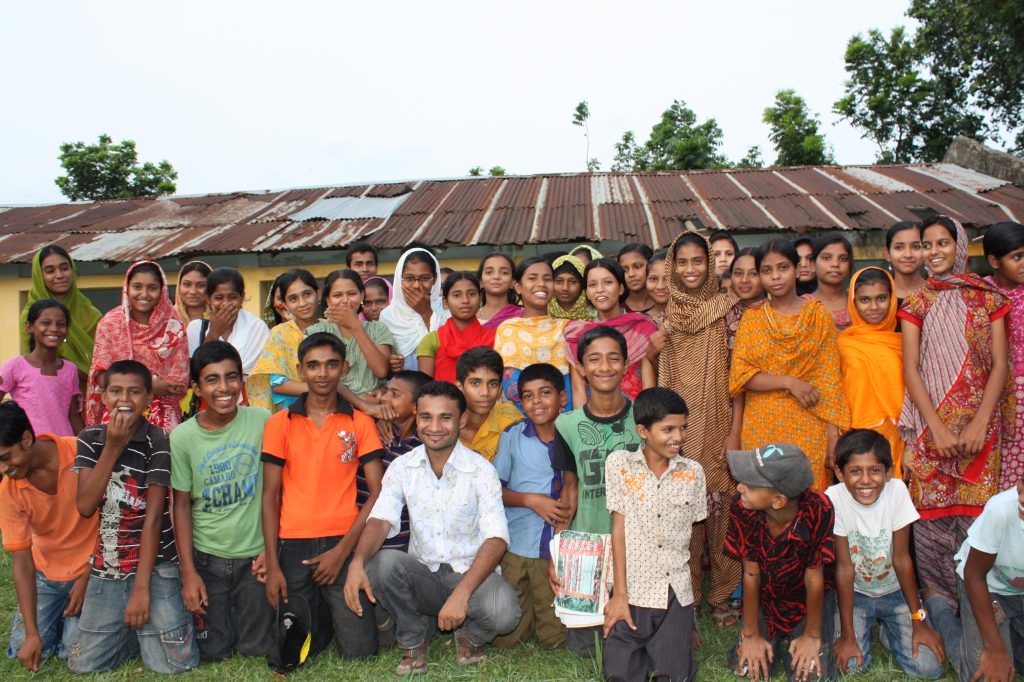
Since 2005, we have mentored vulnerable children and youth from challenging environments to run EDS and transform into change agents, leaders, teachers and entrepreneurs who make positive change in their own life, family and community. They collaborate with and inspire international students and teachers to take positive initiatives in their local community too. We research on our shared practice together with professors from Norway and the UK.
Empowered change agents
Most of the EDS children and youth have experienced child labour, extreme social control, domestic violence, avoided child marriage (with the help of EDS), been involved in youth gangs or are orphans. We have mentored them to become change agents, teachers, leaders and social entrepreneurs who make positive change in their own life, family and community. Through volunteerism, they have acquired transformative skills like competence to take initiative, analytical capacity, creativity, problem solving, colleague guidance, teamwork and integrity. They say no to corruption, drugs, illegal activities, child labour, child marriage and child abuse. They possess commitment, endurance, compassion and the capacity to motivate and create hope.
Youth gang leaders, child labour, street children and girls who avoided child marriage become teachers
Children and youth who dropped out of school due to being youth gang leaders and members, child labour or girls who avoided child marriage with the help of EDS, have gone back to school and some have completed HSC or diploma in engineering and will study at the university. We trusted them and gave them the responsibility to teach in EDS
Prior to EDS, the youth gang leaders and members were frequently in conflict with their family and community, and they were afraid of their fathers who punished them physically and psychologically. Now they have a good relation to their family, and their parents ask them for advice as the youth have acquired the ability to think critically and solve problems in peaceful ways in EDS. Local people used to fear these youths, but now they are friends. Even the police, who often treated these youth harshly, now greet them with respect due to their work in EDS and the community.
Stopped child labour
EDS youth have helped many former child labourers to go back to school and become EDS teachers who help other children get education. Many of these former child labours now hold university degrees and jobs. They ensure their siblings get higher education too and help their parents economically.
Girl empowerment and equality
We take initiatives for gender equality and secure girls’ access to education, health and safety. When boys in the street disturbed the EDS girls, the EDS youth invited those boys to join EDS instead, get education and volunteer to teach.
We encourage the girls to voice their opinion, actively participate in and lead activities, and EDS boys assures that EDS girls get to participate in evening classes and meetings by escorting them home safely.
The women empowerment group has created awareness among girls and parents about negative effects of child marriage and the positive effects of education, health care and safety for girls.
Stopped child marriage
Girls who marry underage (below 18 years) have higher risk of dropping out of school, get health complications due to too young pregnancies, experience domestic violence and abuse. EDS has stopped and prevented child marriages and helped girls to go back to school and continue their education. Due to the trust between the EDS students and teachers, girls often share when they experience challenges and the EDS teachers ensures confidentiality and the safety of the girls while they find and implement solutions in agreement with the girls and their parents.
Good parent-child relations
EDS has created good parent-child relations through mentoring the children and youth to become responsible, accountable persons who create dialogues with their parents where both parties can express their needs. Due to their critical thinking and problem-solving skills learned in EDS, many parents ask the EDS youth for help to solve family problems.
Friendly learning environment
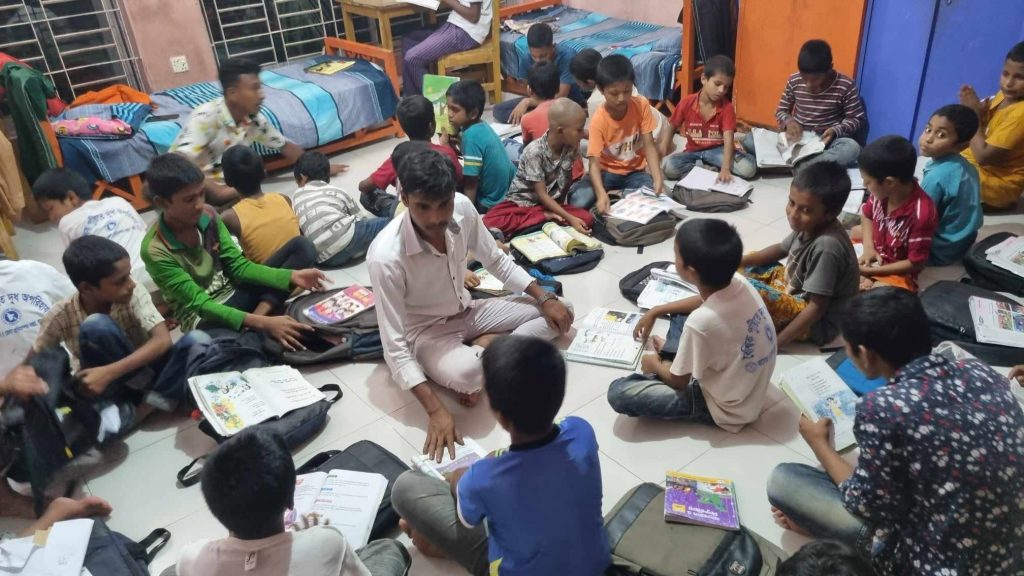
Prior to joining EDS many of the EDS students were unable to write and read properly, were told by schoolteachers they were unable to learn because they had poor grades and did not go to school regularly.
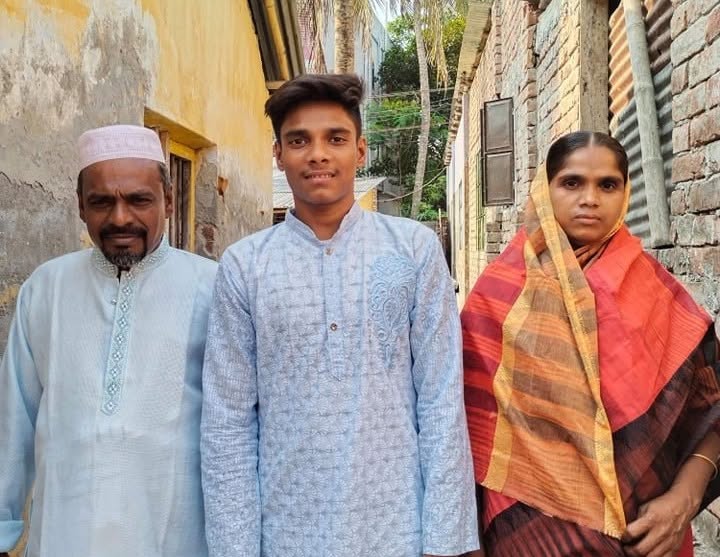
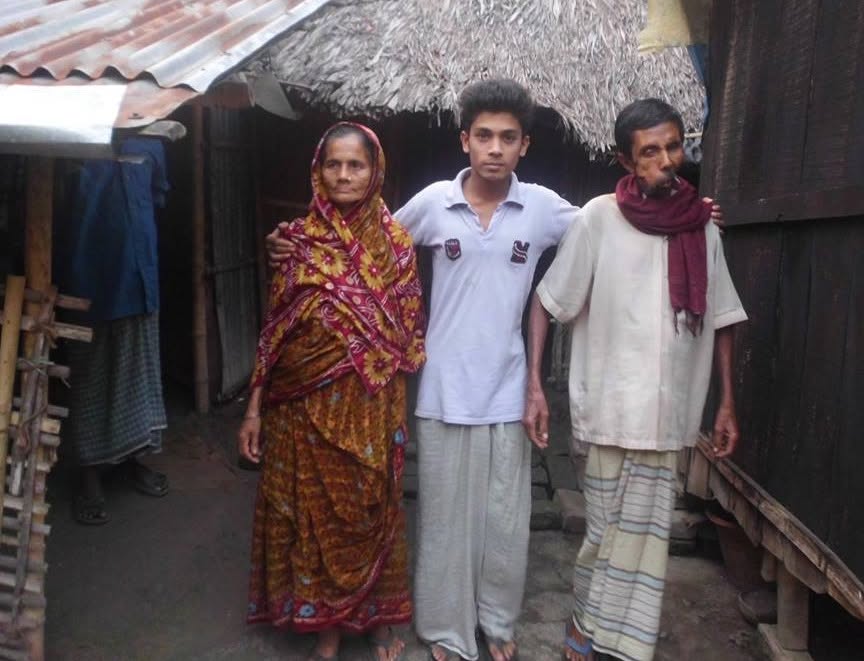
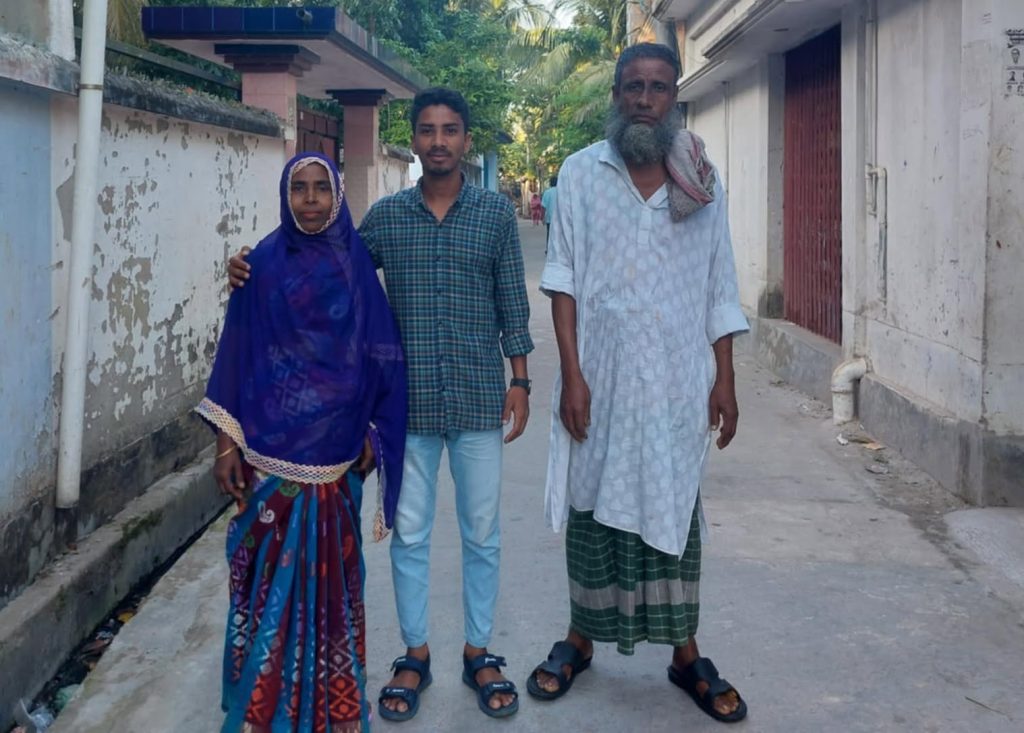
The children like to learn in EDS as Juboraj told Taslima Miji who visited EDS on request from NORAD (the Norwegian agency for development cooperation) and wrote “The dream of a change maker”
“We like it here because here the adults behave friendly and don’t beat us.
Here we learn through playing, it’s fun. Here I can ask the teacher any question without fear. I never felt free to ask the teacher a question in the primary school as the teachers beat us in response to questions. I want to study in higher classes, and I will help people like Hafizur Mama (uncle)“. Juboraj, who is an orphan, so his grandmother Fatema Begum looks after him.
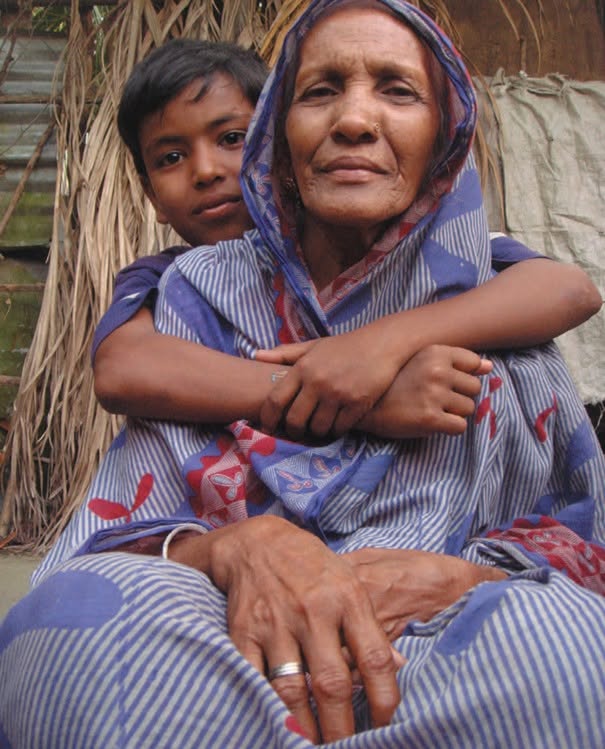
Children believe they can learn
The parents of the EDS children and youth are mostly illiterate, unemployed, beg in the streets, drive rikshaw or van, work in factories under challenging health conditions or are daily labours. Prior to EDS, many children and youth were at risk of or had dropped out of school due to child labour, economic challenges, low grades and struggle to understand the lectures, motivation from youth groups to join illegal activities, child marriage, child abuse and excessive control causing heavy mental pressure.
Due to negative pressure from family, school and society many EDS children and youth had low self-esteem, felt they had no value, believed they were not able to learn, and many had poor grades in school. Many EDS students are the only breadwinners of their family and face pressure to choose work over education.
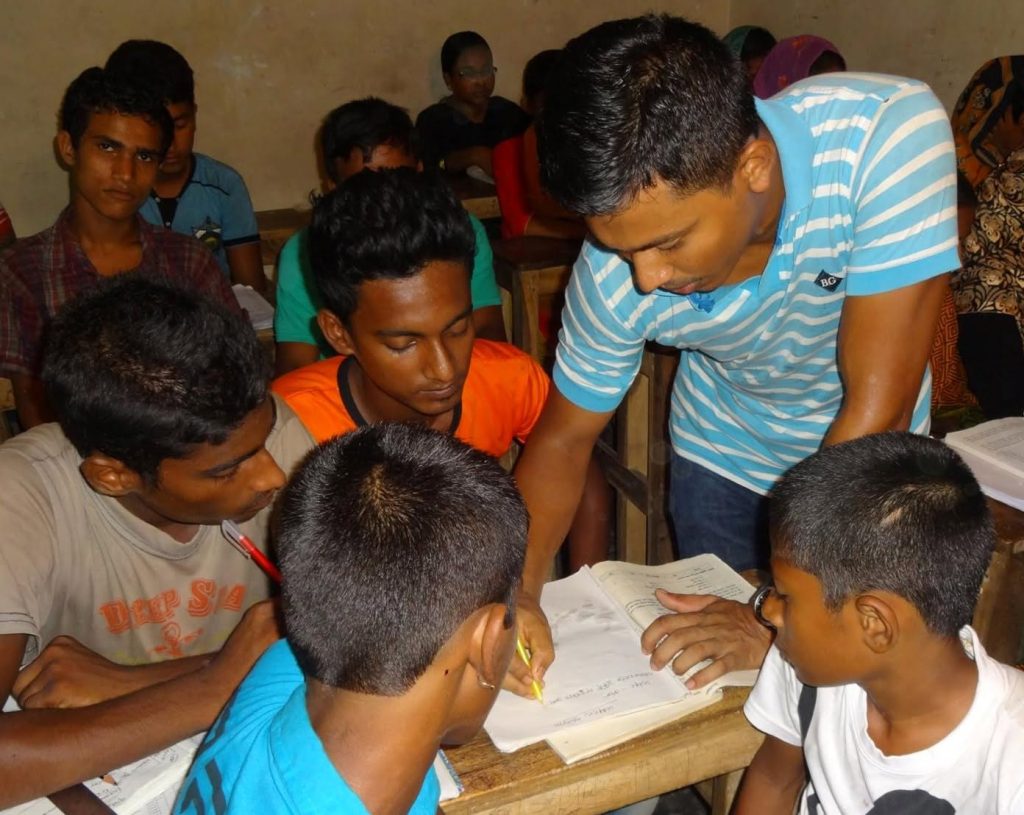
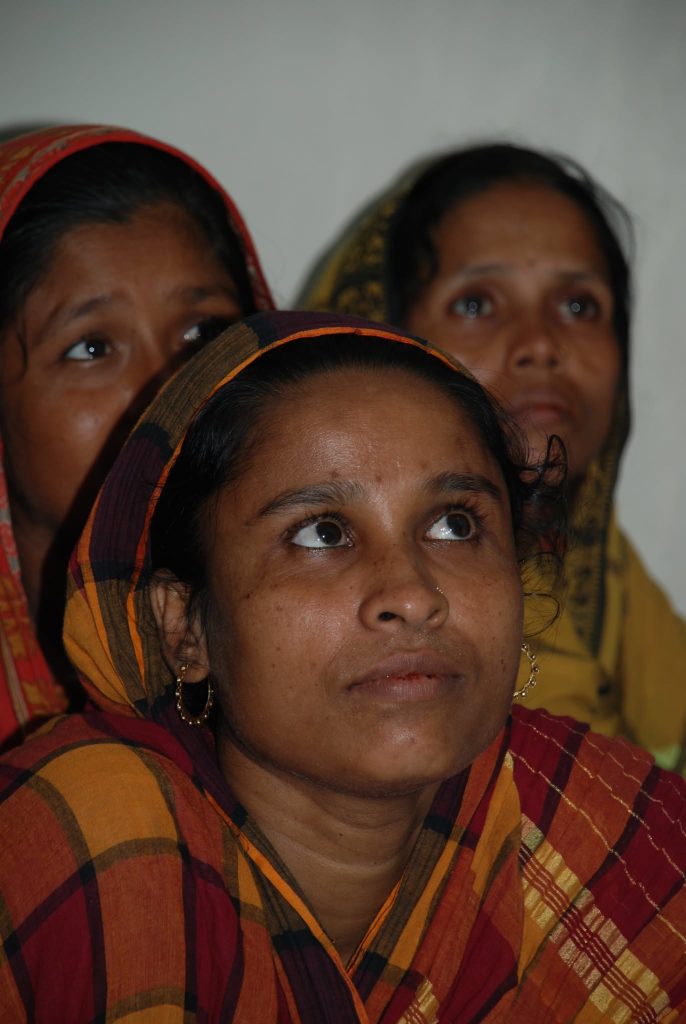
In EDS, we find the students’ knowledge level and start to teach and mentor from there, so they feel they are able learners. Now, several thousand children have gotten education due to EDS and 100 study at universities in Bangladesh. Many students who failed exams or had low grades prior to EDS now get top grades as the 13 years old girl below. She had never passed a school exam before, so her parents and teacher said she was lazy and beat her regularly. Her parents thought she was unable to learn and wanted to marry her off. In EDS, we discovered that the girl had not learned to read and write although she studied in grade 6. When she learned to read and write in EDS, she passed all school exams, and her surprised and happy father said: “Now I see that she is able to study. I will not marry her off, but rather pay all her educational expenses as long as she will need it“.
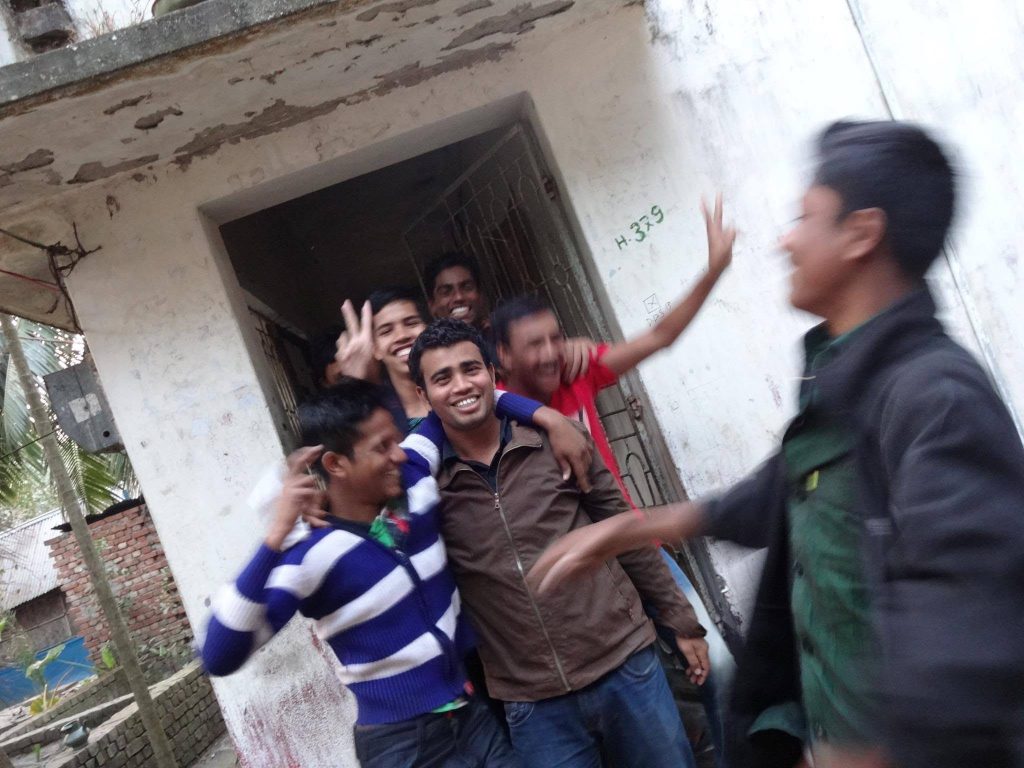
EDS grade 8 students enjoying their good exam results with their teacher Bellal
Parents gain hope
Many parents of EDS children and youth are not aware of the importance of education and pedagogic ways to mentor their children for learning, grow self-confidence and how to motivate them to help others. Many parents are grown up with physical punishment, criticism and harassment to control children’s thinking and behaviour, so they use these methods on their own children. EDS has increased parents’ awareness about education and how to give children emotional support.
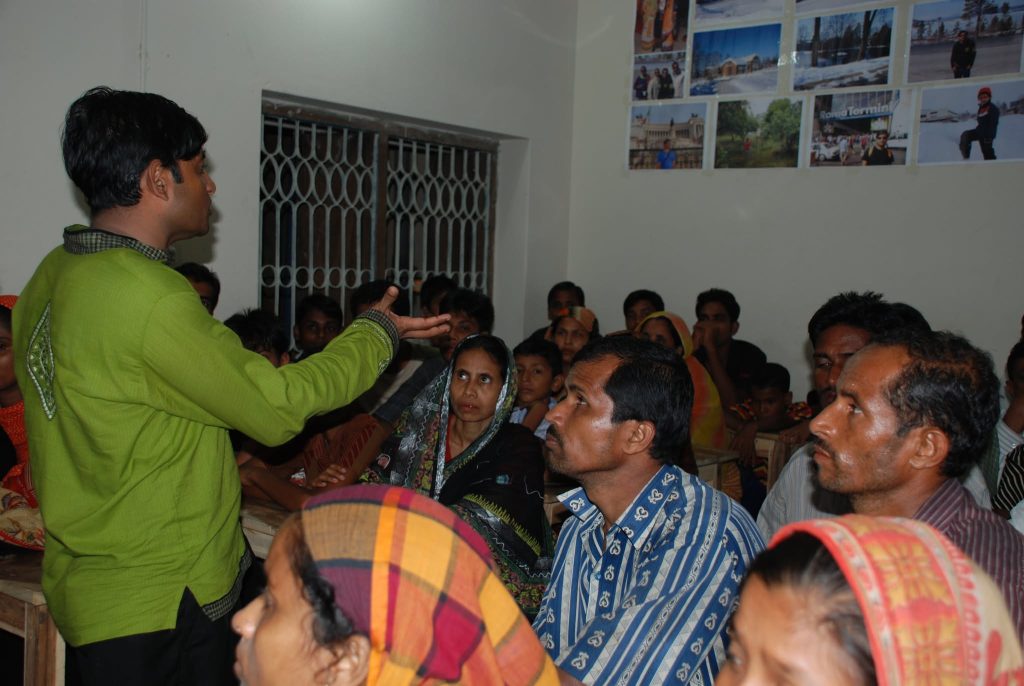
EDS parents have gained hope and confidence that they can influence their children’s education and future positively. Now they motivate their children to get education and do not marry off their daughters at early ages, as expressed by EDS parents:
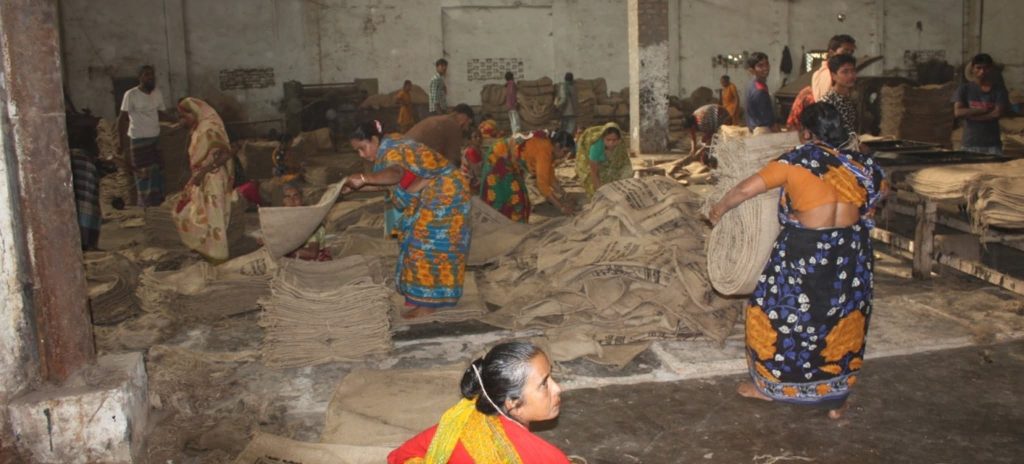
“Earlier I was thinking that my children didn’t need education as they were going to get married or work as labour in the jute mill industry like me. When my daughter started in EDS, I realized the importance of education and now I want that all my children get good education so they can get better jobs and a better life than I have” (father in EDS).
“We have three daughters. Through EDS we have learned about the importance of education, and we have decided to not marry off our daughters young, but to support them to get good education so they can get good husbands” (father in EDS)
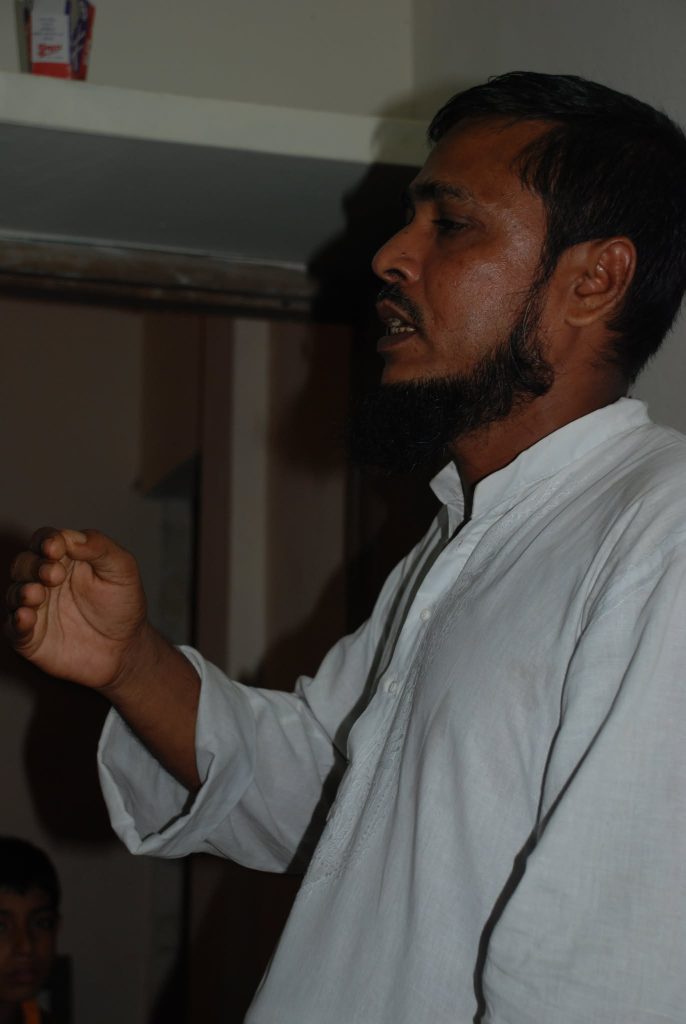
“Prior to EDS we were thinking as we are illiterate there is nothing we can do for our children’s education. Now we have gained self-confidence and know that although we are illiterate there is a lot we can do to support our children’s education” (a mother telling on behalf of the EDS mothers) “A poor woman like me can think of sending her son to school because of Hafizur. God bless him, may his dreams come true” (Rahele, mother of an EDS student. Read the entire report of Taslima Miji visiting EDS on request from NORAD here. |
Education for sustainable development
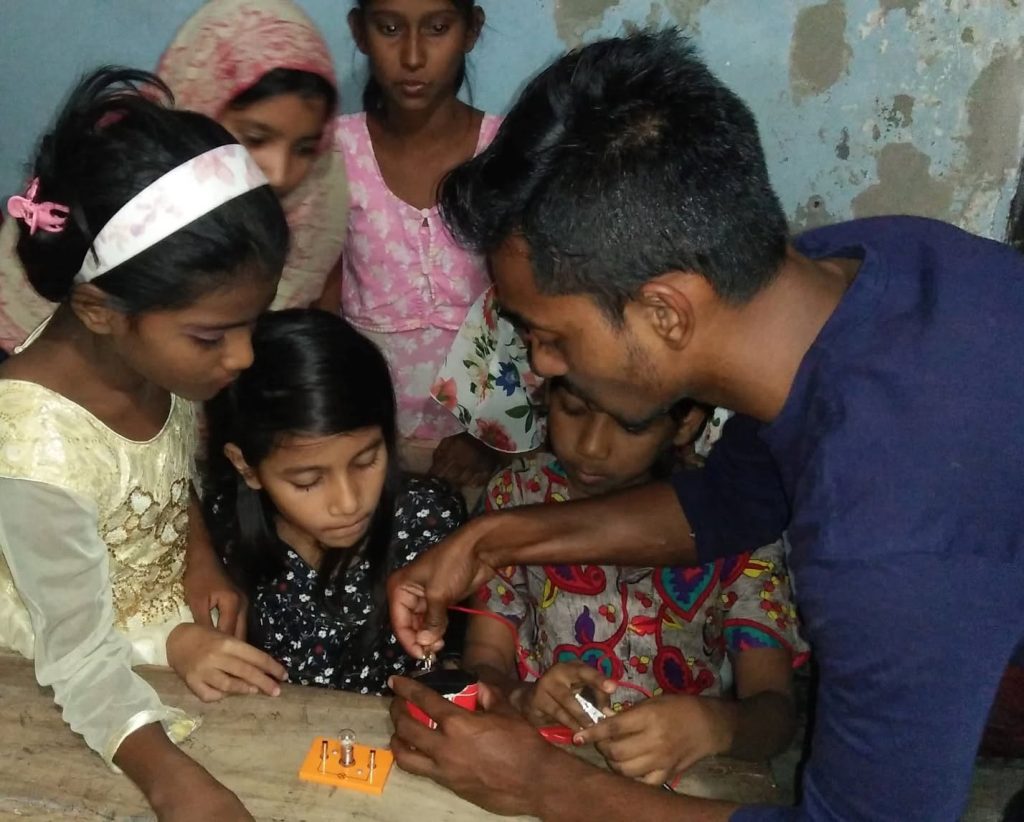
EDS youth manage and develop the EDS farm and use it and ICT as interdisciplinary learning arenas. Through working together as a team, setting shared goals, solving unforeseen challenges and applying their knowledge, they learn about the ecosystem and how to crop in sustainable ways, and they develop skills like critical thinking, problem solving, communication, teamwork, empathy, compassion for each other and the nature. They document their learning journey digitally and share it globally.
Youth as researchers
Through action research and Living Education Thery Research, our youth have developed research skills like curiosity, creative thinking, the ability to observe own practice and critically reflect about it, be vulnerable to share their reflections and receive critique from others, willingness to improve own practice, gather evidence for their claims to knowledge and present it, research their values and how they practice them, document their learning through research logs, photos, videos and living posters.
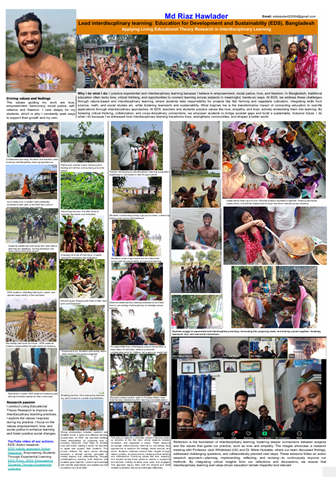
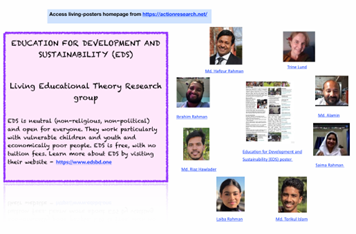
See our living posters and how we practice our values at EDS gp page 120125
Inspire globally
By connecting to international children, youth and adults and creating friendships, we have contributed towards mutual learning across countries, culture and language. This has increased understanding, respect and the ability to view diversity as a strength.
Our children and youth are role models who inspire international children, youth and adults to realize that every person can be an agent of change for themselves and others. When one has hope and act for change, everything is possible.
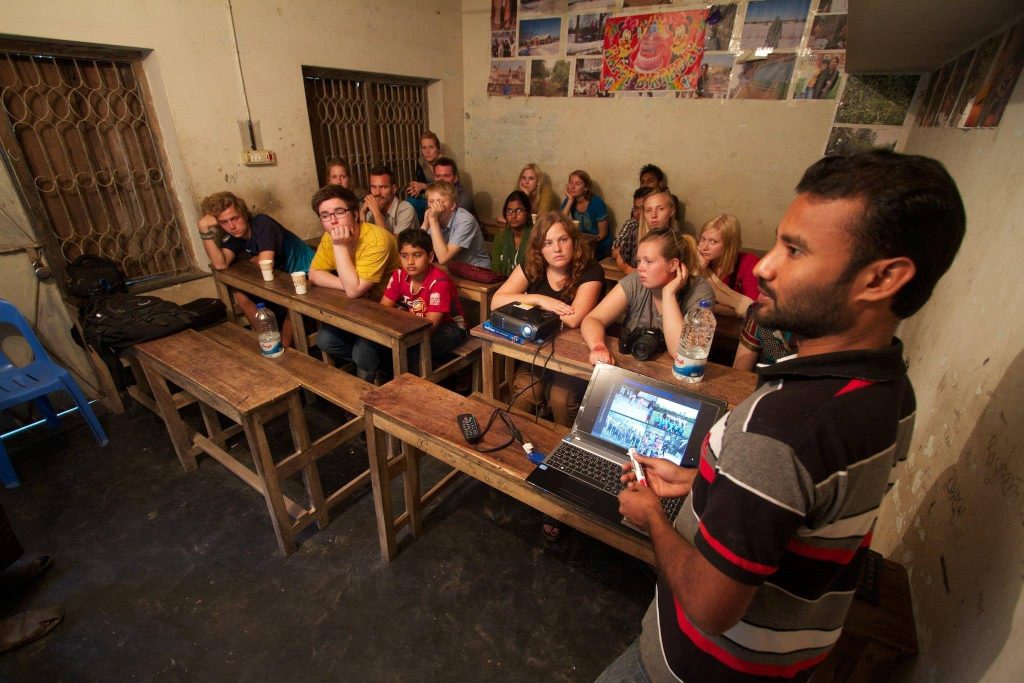
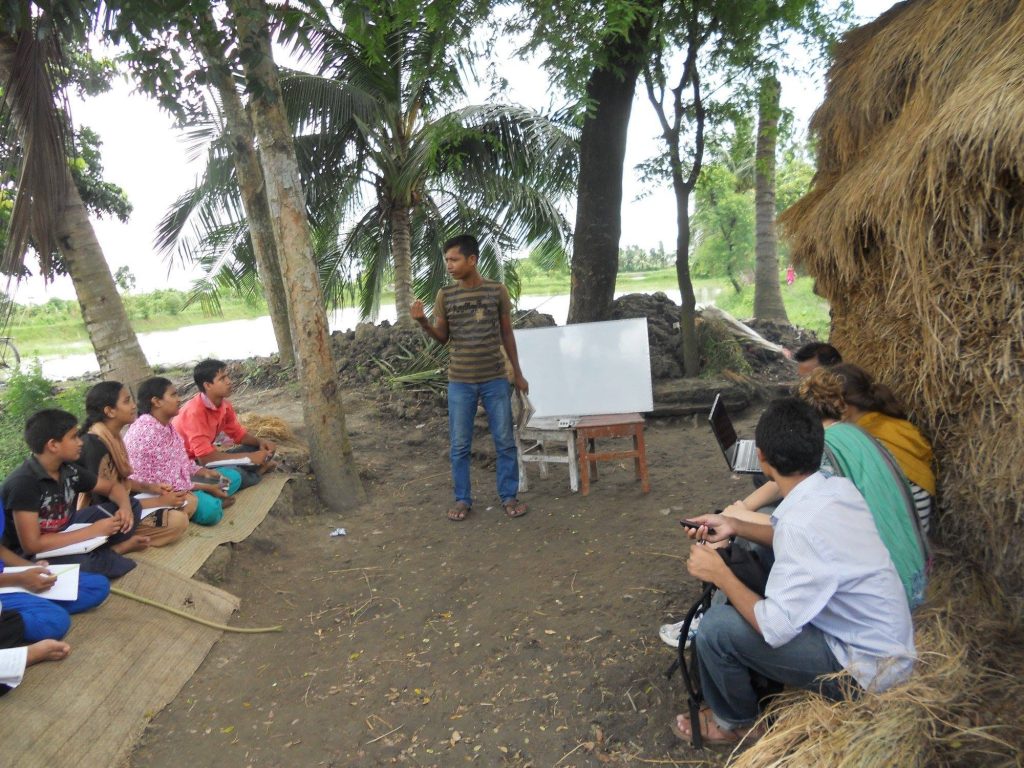
Norwegian teacher students, folk high school students and youth have visited EDS to learn:
- how we use action research and Living Education Theory Research to facilitate for transformative learning and pedagogical development
- about the Bangladeshi educational system by visiting local schools, universities and a teacher training institute
- how we use ICT and the farm as interdisciplinary learning arenas
- about the EDS students’ livelihood by visiting their homes and the jute mills where they used to work
- how we work for women empowerment
- how we facilitate for social entrepreneurship
Teacher training, Norwegian University of Life Sciences
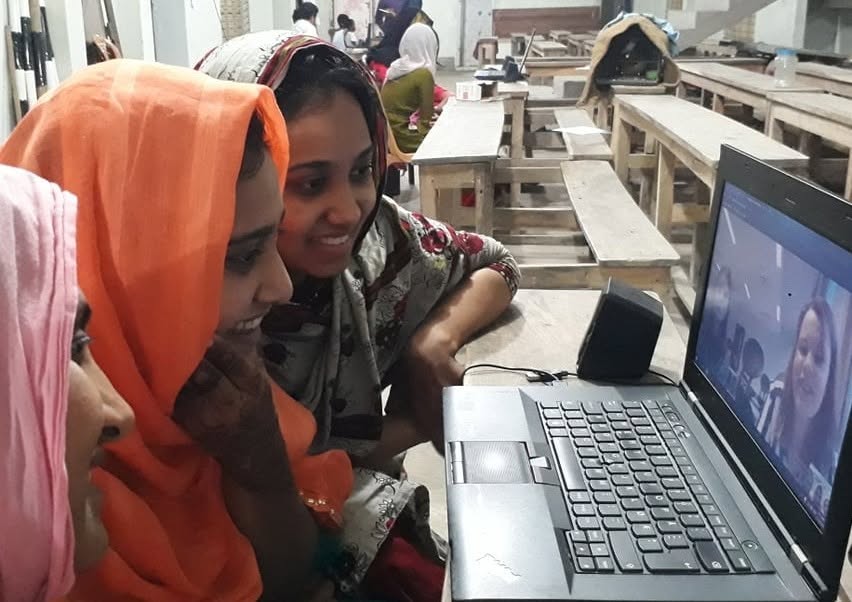
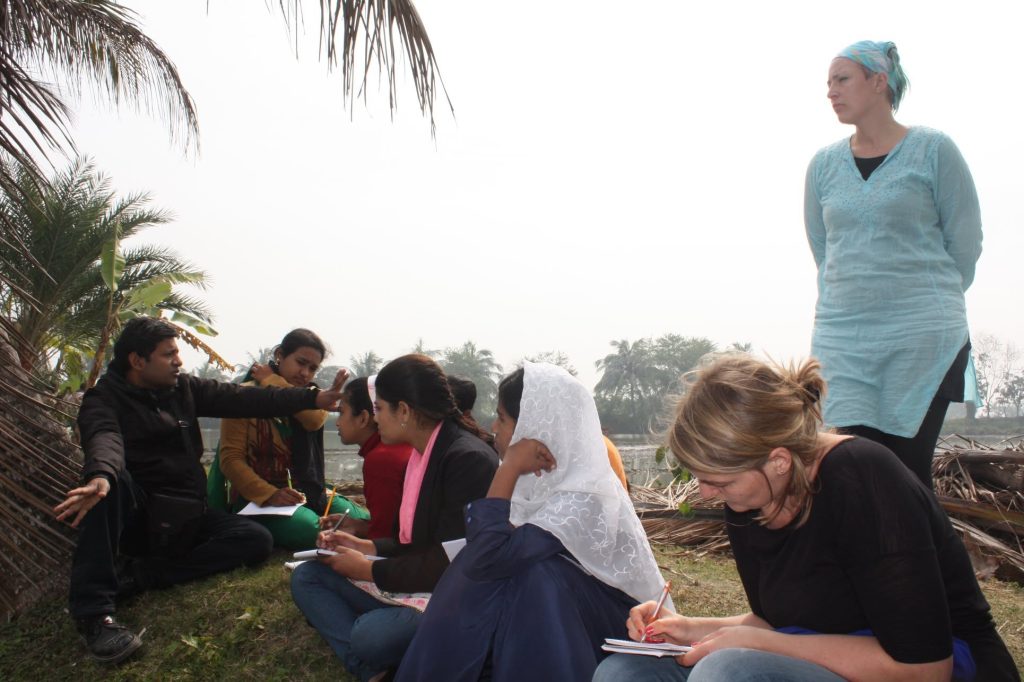
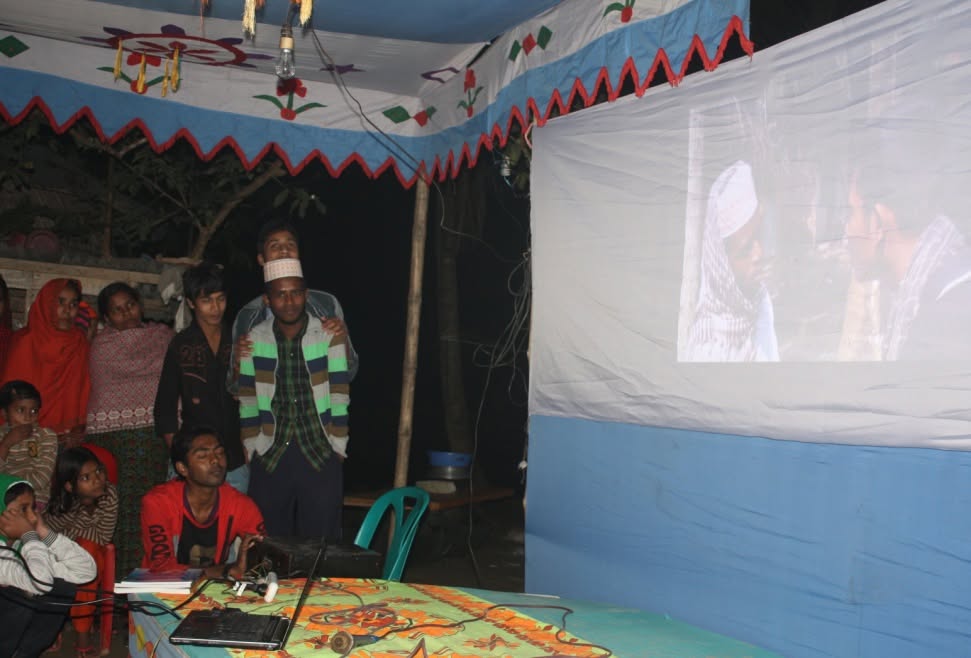
Hafiz and Alamin facilitated the three weeks teacher training of the NMBU teacher students Signe (now teacher) and Hilde (now headmaster) in EDS in 2013. They conducted a pedagogical development project and shared their knowledge about pedagogy, organizational and leadership skills, inquiry-based learning in environmental sciences, role play, problem solving and colleague guidance. They made a movie together with our EDS children and youth on challenges the children and youth face in their strive to get education. The movie was shown to over 300 EDS children, youth and parents.
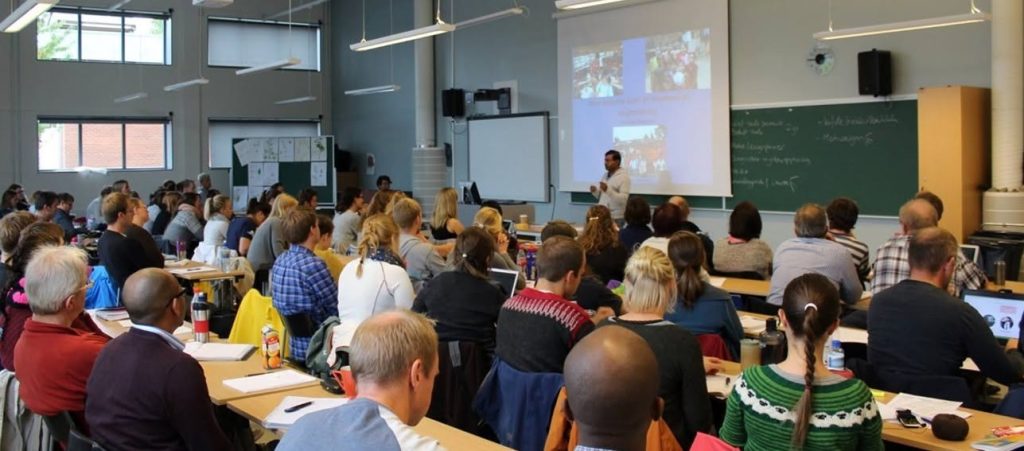
Blindern high school, Norway
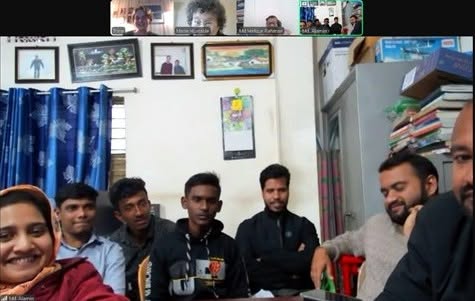
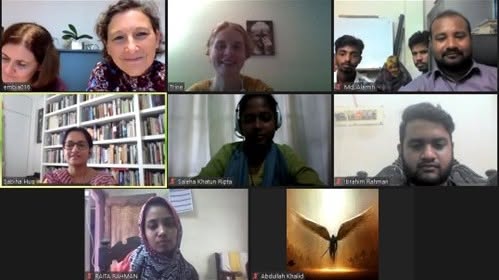
Since 2020, International Baccalaureate (IB) students from Blindern high school and EDS students have interacted digitally. They share experiences of being youth today. EDS students inspire the Norwegian students by their commitment to education and community service, and the IB students teach ICT and English through word games.
Sund folk high school
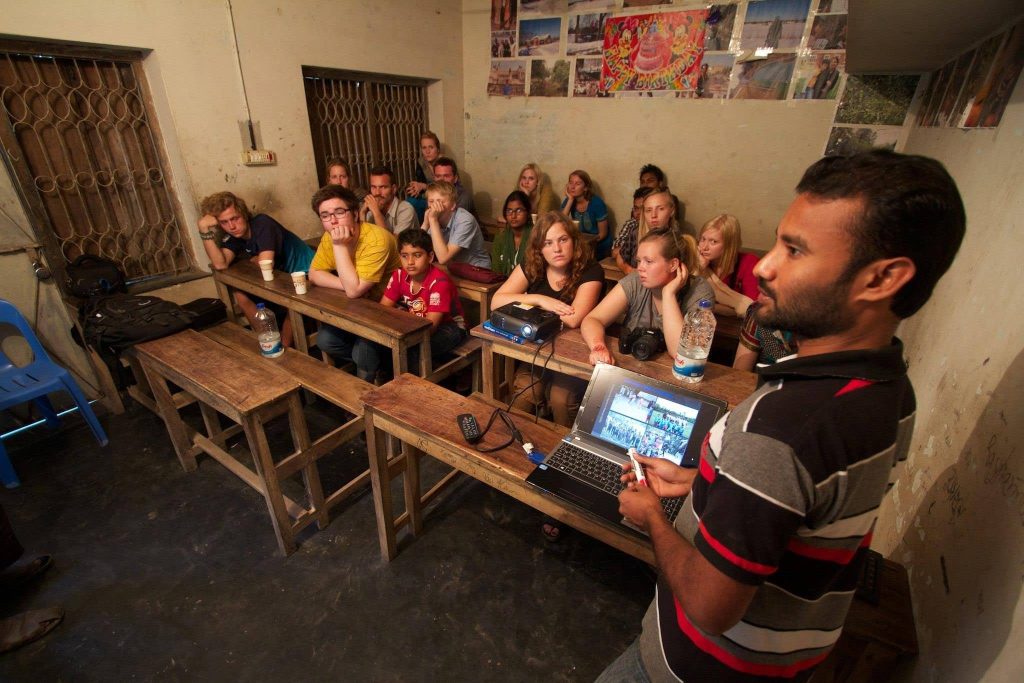
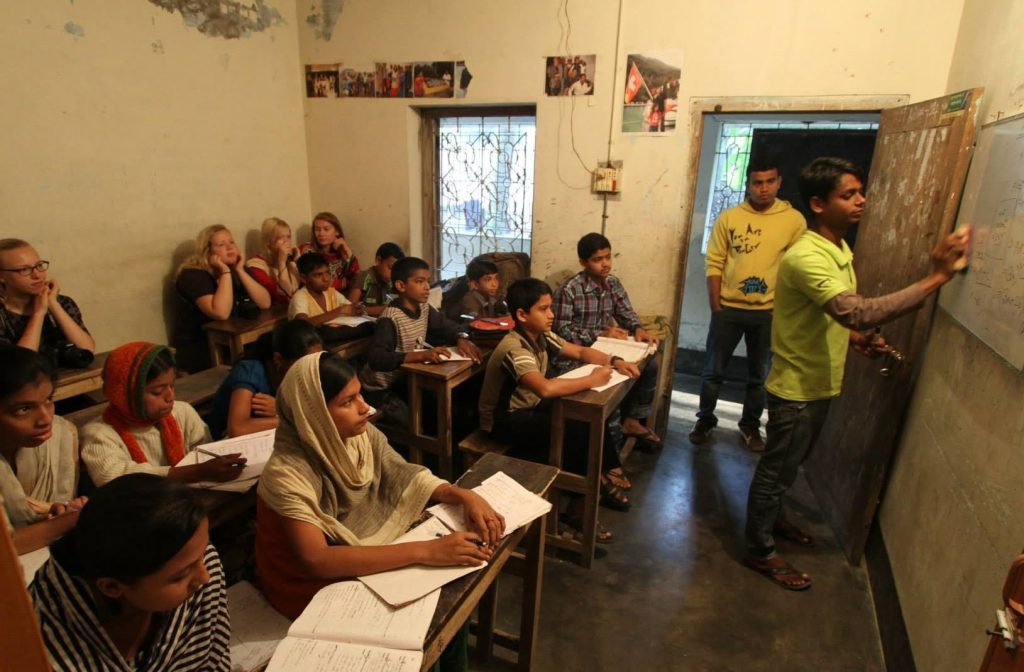
The UN class from the Sund folk high school visited EDS to learn how young change agents can create development in their community. The teacher Jakob Steenberg-Thompson said: “Before going to Bangladesh Hafiz told us about EDS. It sounded too good to be true, and from my experience with UN internationally, when something sounds too good to be true it often is. But when visiting EDS we saw that what Hafiz had told us was true”
Norwegian students
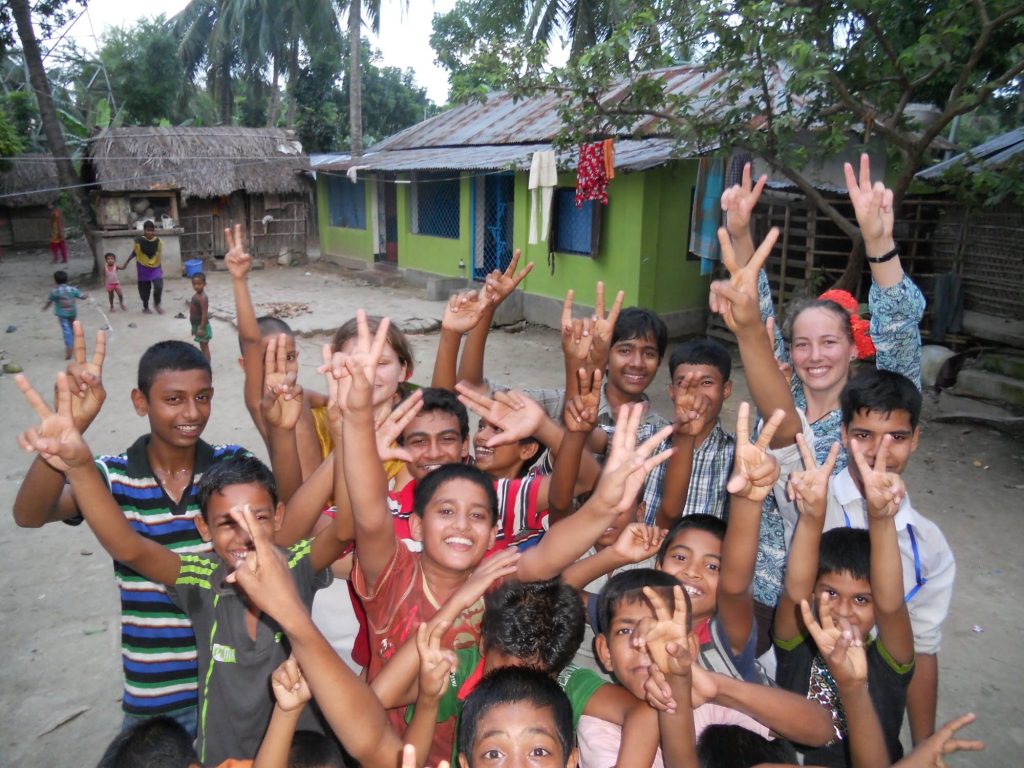
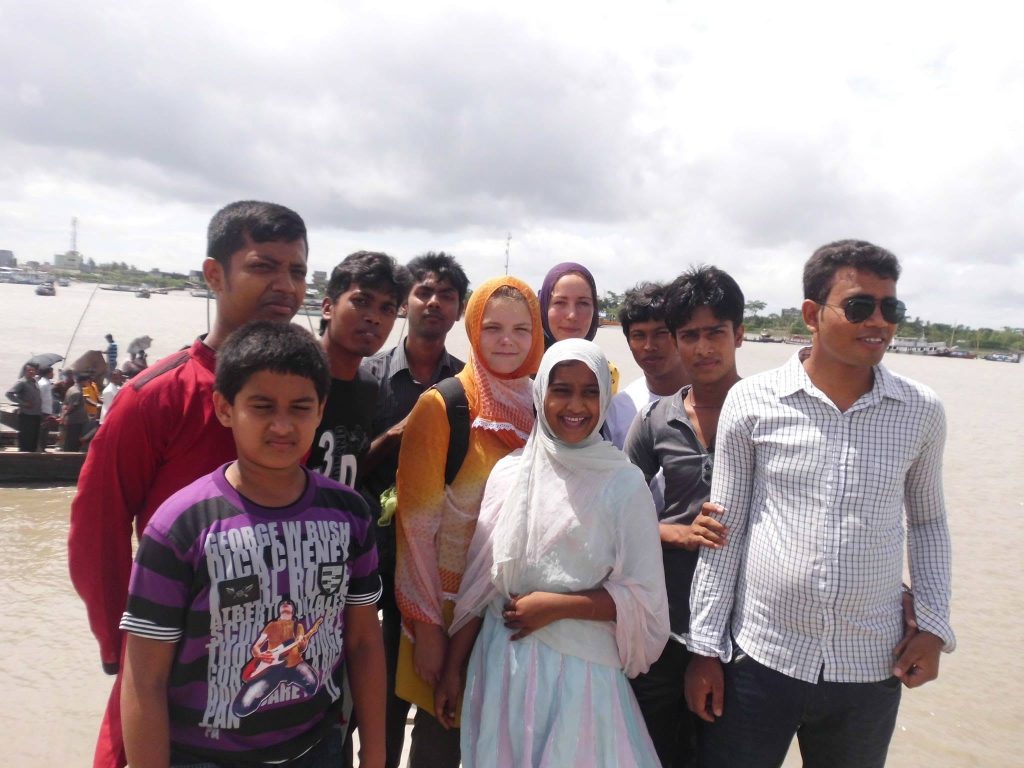
Enya Donelli (teacher student at NTNU) and Ann-Synnøve Leithe (sociology student) visited EDS to learn how children and youth from challenging environments are determined to get education and help others in their community. They volunteered with us for a month in 2013 with focus on English and ICT.
Supportive local community
EDS change agents advocate for the child rights to education, free time and play, pedagogic ways to mentor children, safety and health towards local authorities, police, schools and parents. This has made the local community more aware and supportive of the needs and rights of the children. For example, the Shonali jute mills school headmaster gave EDS access to their classrooms after school time. Boys who used to disturb girls in the streets are now students and teachers in EDS and the police cooperates with EDS for increased safety. EDS is a non-religious organization, and we welcome all children and youth regardless of their faith. An example of the respect EDS leaders have in the local community is that local Hindu leaders invite them to their social gatherings. Our focus is humanity and creating an inclusive community for all.