We (Hafiz, Alamin and Trine) founded EDS in 2005 where we mentor vulnerable children and youth to become change agents, teachers, leaders and entrepreneurs for sustainable development. Through collaborative action research and Living Educational Theory Research (link to Publications) we continuously improve our practice based on our life affirming values and develop our EDS learning community. Read on to explore why we strongly believe in children and youth as agents of change for themselves, their family and their community. And why we are passionate about creating a loving EDS community where children and youth become empowered, transform their mindset and lives and become role models who mentor other children and youth in their transformative process.
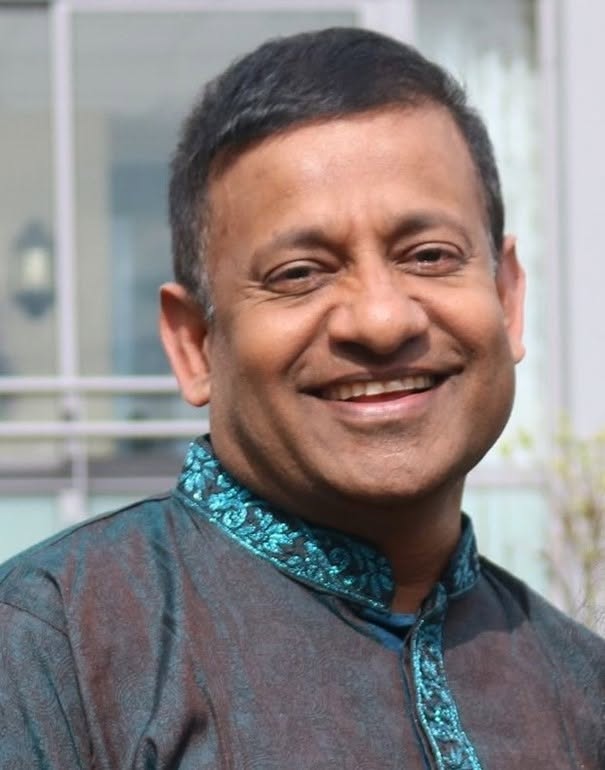
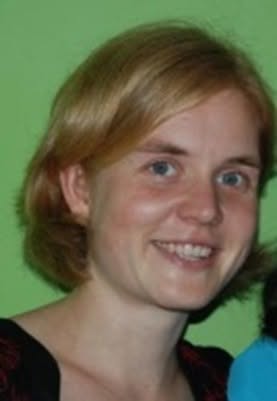
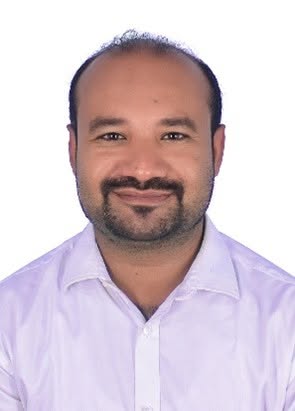
Md Hafizur Rahman PhD
Action researcher, teacher and mentor
+47 95 43 94 94
hafiz774@yahoo.com
PhD Microbiology, NMBU, Norway
Pedagogy (children, adults, special needs), NMBU/UiO/OsloMet, Norway
ICDP parent guide, Bufdir, Norway
MSc Resource management and sustainable development, NMBU, Norway
MSc Agronomy, BSMRAU, Bangladesh
BSc Agriculture, KU, Bangladesh
Trine Lund
Action researcher, teacher and mentor
+47 48 39 76 20
Pedagogy (children, adults, special needs), NMBU/UiO/OsloMet, Norway
ICDP parent guide, Bufdir, Norway
MSc Resource management and sustainable development, NMBU, Norway
BSc Development studies, UiA, Norway
Md Alamin
EDS leader, teacher, mentor and
action researcher
+88 01731601218
MSc and BSc Education, TTC, National University, Bangladesh
Professional diploma in Disaster Management, KUET, Bangladesh
BBA, National University, Bangladesh
Diploma in Agriculture, ATI, Bangladesh
Awards
Ford Motor Company leadership program, New York
Rotary Youth Leadership Award, Norway
Hafiz
I (Hafiz) am born and grew up in Khulna, Bangladesh where education was based on rote learning. I was not good at memorizing facts I did not understand, and which had no relation to my life. Therefore, my teachers said I could not learn and only had cow dung in my head. They beat me until I was bleeding and encouraged my classmates to laugh at me. I was so afraid that I peed my pants. At night I used to dream that a teacher came to kill me. I asked my parents for help, but they said teachers must beat to make the children learn. My family members shared this belief, so they constantly watched me to catch me in doing wrong and beat me without any explanation.
I could not stand the pain from beating and bullying anymore, so I stopped going to school and instead spent my days at the Khulna University of Engineering and Technology (KUET), near my home. I enjoyed watching the students playing garam board, cricket, and football. They were free to study when they wanted, and nobody beat them. I wanted that free and enjoyable life too.
As a child, I was dreaming of a community where children feel valued, can play, enjoy learning and teachers are friends. In lack f such an environment, I started creating it myself in 1988.
I started a football team with children who had dropped out of school or were at risk of doing so. Many of them begged in the streets or worked in the factories, and they were not interested in going to school to be beaten and bullied. They preferred the free life in the streets. We played against other football teams in the district, and one day I told my team that if they wanted to continue to play with me, they had to go to school.
They children started to go to school, and in the evenings, I walked around in my village and gathered them in my home. There, I told them self-invented stories where children were heroes to light their aspiration to become heroes in their own lives. I played games with the children, and when I had their, I started teaching. I used examples from their everyday life to explain the curriculum, and invented songs and rhymes for easier learning.
When I observed that adults listened to my older siblings who were university students, I realized that education was the key to be heard. So, in grade 5, I started going regularly to school. When I got a governmental educational stipend due to my good grades, I started feeling that I was able to learn. From that day I never looked back.
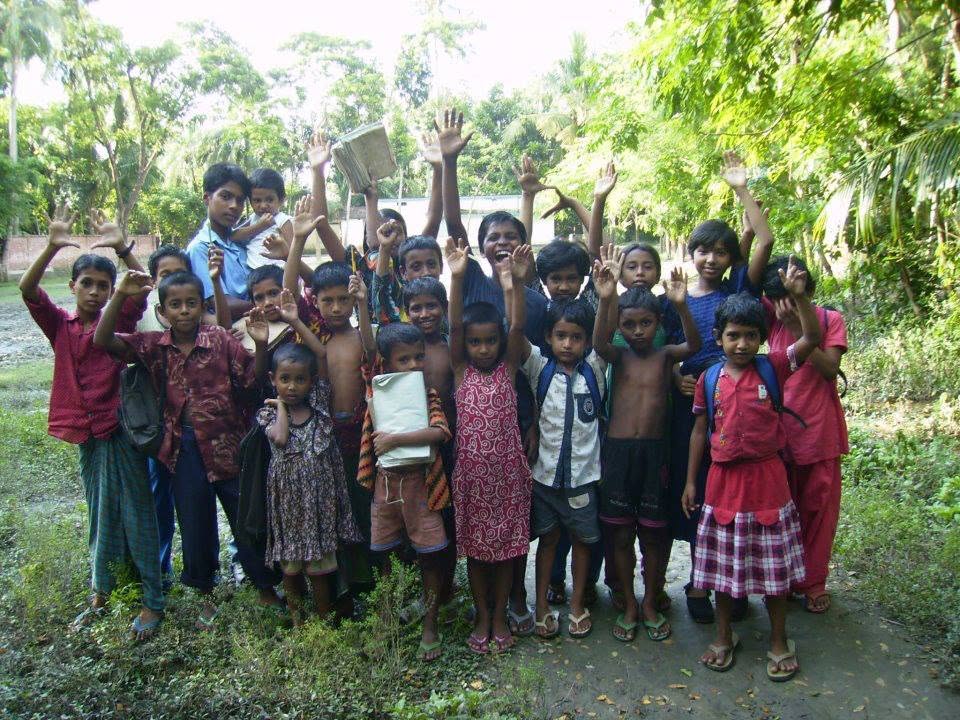

Some of the first EDS students exited to learn
Now, I hold a PhD from NMBU, Norway, where I work as a senior teacher at Marikollen secondary school. I have experienced, that everything is possible when you work from your heart and have faith in your dream. I wish to share this message with every child, youth and person living in poverty or facing challenges throughout the world. There is hope, and together we can make a better tomorrow!
In 2005, when I went to study in Norway, I was teaching 20 children and asked the oldest, Alamin, to teach the younger. Alamin was in grade 10, shy, lacked teaching experience, had nearly dropped out of school and doubted that anybody would learn from him. I motivated him to develop a friendly and trusting relation to the children through play and teach them in ways that made them enjoy learning. I called Alamin on average three hours daily from Norway, listened to how he had been teaching that day, mentored him to reflect on his results and what he wanted to improve the next day, make a plan and follow it.
Initially, everyone, except me, were against Alamin teaching as they did not think that a child could teach. They were afraid our community would hang me if Alamin did any mistake. We did not have any place to teach, so Alamin convinced his parents to let him use his bedroom. The children loved Alamin so increasingly more children came to EDS.
When Trine heard that I was motivating children to teach children in Bangladesh, she wanted to support my initiative. In 2005, Trine, Alamin and I established the Education for Deprived Students (now called the Education for Development and Sustainability).
Trine offered to donate money to EDS, but I asked her to call my children in Bangladesh instead to motivate them to get education and teach other children.
Trine
When Hafiz asked whether I (Trine) wanted to call the EDS children I assumed my call would not have anu influence on the children. I assumed that the children would not understand me as they did not speak well English, and they may not hear me well as the phone line was not clear that time. I did not know the children and their lives well, so I assumed it would feel awkward to talk as I was not sure what to talk with them about. As I assumed that I could not have any influence on children that far away and that we would not be able to communicate well, I did not call.
Nobody supported Hafiz’ initiative to mentor children to teach children. On the contrary! People criticized and threatened him. They laughed, said “Children can’t teach”, and that Hafiz collected money for EDS in Norway and put in his own pocket. I saw how this impacted Hafiz, so I decided to call Ibrahim, and EDS child, to show Hafiz in practice that I believed in children as teachers. In this way I hoped to rise Hafiz’ confidence so he had more energy to mentor the EDS children.v
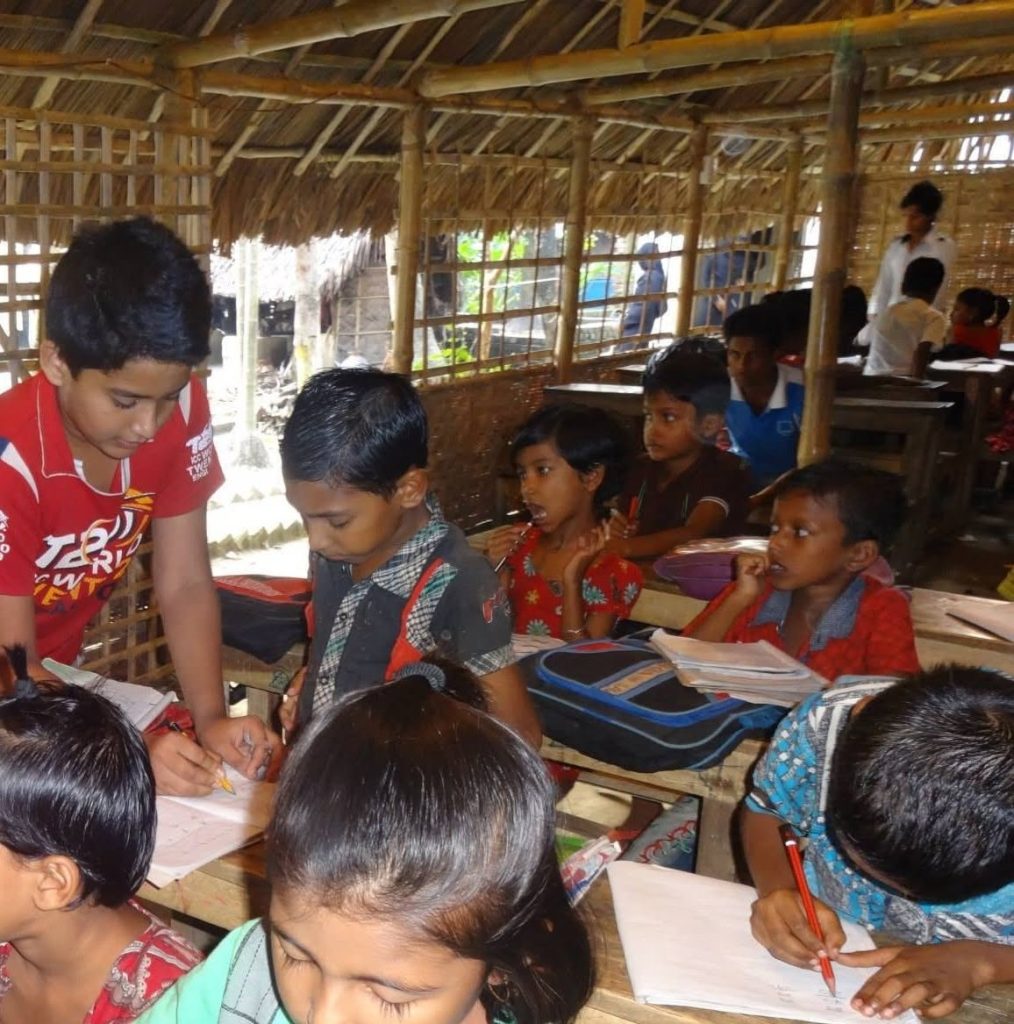
Ibrahim was a grade 5 student teaching grade 1 students in EDS. I said I had never heard about a child teaching before, so I was very proud of him. After my call, Ibrahim excitedly told Hafiz:
“Haiska (the children’s nickname for Hafiz), I have a friend in Norway now! People laugh at me and say I waste my time in EDS because children can’t teach, so nobody will learn from me, but Trine said I am a teacher. So, it’s true!”
Although the EDS children did not receive positive encouragement from their families or surroundings, they continued to go to school, teach and help other children get education. I came to learn that for children in Bangladesh, it’s unthinkable that people with high social capital become their friends and care about them. For the EDS children, I had high social capital, and I realized that by being their friend, listen to and care about them, acknowledge and celebrate their achievements with them, I could make a large difference in their lives and personal growth. So, I started calling increasingly more EDS children and have been their mentor since.
Alamin
I (Alamin) never thought I would get higher education, because I dropped out of secondary school and people used to tell me that I was not able to learn, was not a good person and would not become anything in life. Hafiz helped me to go back to school and complete my Higher Secondary Certificate. Now, I have Diploma in agriculture (ATI), BBA, master’s and bachelor’s in education (National University) and Professional diploma in Disaster management (KUET).
I used to think I had no value for others, but with love, motivation and encouragement from Hafiz and Trine, we established EDS.
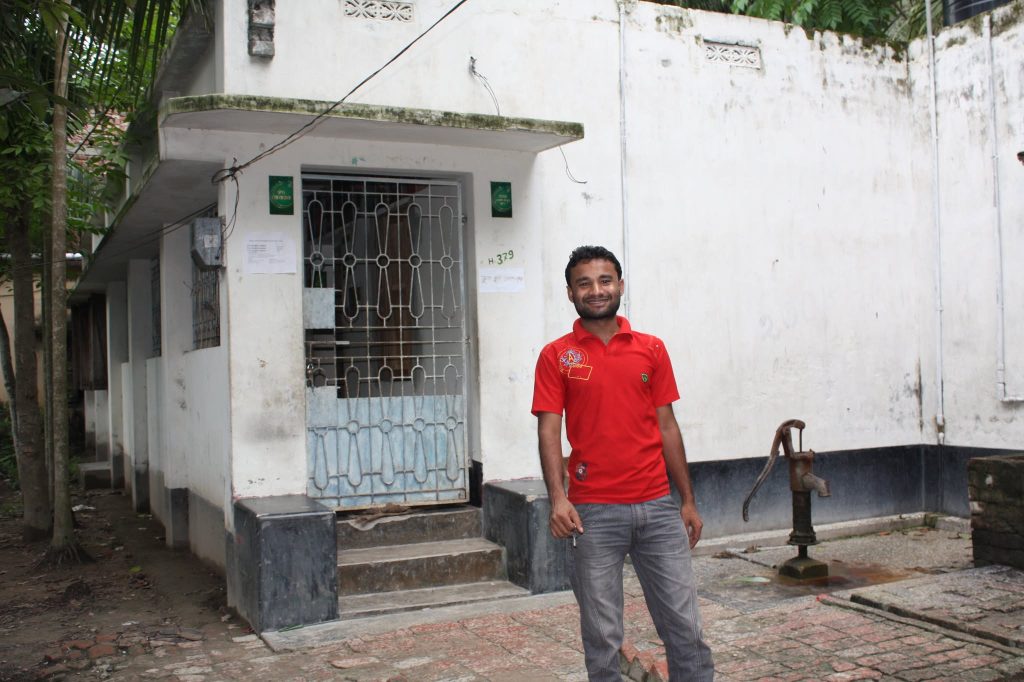
I started teaching children in my bedroom. Increasingly more children came as they enjoyed playing with and learning from me in a child friendly environment. When I was teaching around 200 children, Hafiz bought this house, by savings from his Norad scholarship and PhD work. From 2007 I have been teaching here and EDS youth sleep here to take care of the building.
I run EDS daily together with the Youth board and Hafiz and Trine mentor us. We motivate vulnerable children and youth to use their inner resources to get education, create jobs and develop themselves, their family and community in sustainable ways.
Through action research and Living Educational Theory Research we motivate children and youth for transformative learning to become change agents, leaders, teachers, entrepreneurs and researchers. We develop empathic and trusting relations to those we mentor and care for and see them as resources. We develop our skills, values and will to create a more humane world starting in our own community.
We explore challenges together, plan, act, observe own and shared actions and results, learn through reflection, improve our plans based on experience and try again. We document our practice trough video, photos and research logs, reflect on this together and develop our practice.
Together we
- run EDS, do all the administrative work, accounting, maintenance and cleaning and keep the EDS building safe by sleeping there
- give 300 vulnerable children and youth, grade 1-12, free education and bring at risk or out of school children back to school. The EDS students are orphans, at risk of or have dropped out of school, do child labour, risk child marriage, experience negative social control, live in economic poverty and/or join criminal youth gangs.
- develop and use a 6000 m2 rice/fish/shrimp pond with vegetables and fruit trees, and a 2000 m2 roof garden as learning arenas for sustainable development.
- develop curriculums by using the farm, ICT and community as learning arenas.
- use own experiences (school dropout, negative social control, lead criminal youth gangs, child labour) and our life affirming values when we mentor
- vulnerable children and youth (ex. orphans) to get education and give them hope for a better future.
- vulnerable parents to send their children to school and create a good relation to them.
- local authorities to create a safe community where all children and youth can thrive and get education.
- Students from the Khulna University to teach in EDS
- train EDS youth to conduct home visits to vulnerable families, children and youth where they motivate them about the importance of education and how EDS can help them develop academically and as human beings.
- explore own and shared values, attitudes and actions. Become conscious leaders, teachers and mentor with integrity who continuously aim to practice our values and be role models.
- inspire people globally to see that everyone is a resource who can contribute to a more humane world by starting with themselves, their own family, school and community.
- collaborate with teachers and students at Marikollen secondary school and IB Lillestrøm high school, Norway
- give teacher training to teacher students from the Norwegian University of Life Sciences (NMBU), Norway.
- conduct research with professors from the NMBU and the University of Cumbria, UK.
Due to my commitment and results, I have been selected for the Ford Motor Company Leadership training in New York and the Norwegian Rotary Youth Leadership Award.