Challenge

Children and youth face significant challenges like high school dropout rates, gang involvement, child labour, child marriage and unemployment. According to the World Development Report 2018, low quality teaching methods, poor school management, low funding for public schools and lack of early childhood development programs are reasons that Bangladeshi students lose 4,5 years of learning and hence learn less in school17. In grade 5, only 25% of the students pass the minimum threshold in math1 and 55% are not able to read and understand a short, age-appropriate text in Bangla18.

In 2023 the dropout rates were 14% from primary school, 37% from secondary school and 22% from high school19. The enrolment rate in secondary education was 61%. This is largely due to factors like poverty, lack of interest in school, conservative thinking and youth gang involvement20. Many students feel disconnected from traditional schooling, often finding it boring or irrelevant to their lives, as it often focuses on memorizing facts in segregated subjects and leaves little room for taking responsibility, learning from own experience and develop critical thinking and decision-making skills8.

Nearly one third of the Bangladeshi population are children and youth16, and 10 million of them are out of school21. They are a huge resource for development in Bangladesh and globally. Our responsibility is to provide them quality education where learning becomes meaningful, manageable and fun. Where they use multiple subjects to solve real life challenges and in the experiential learning process engage all senses and feelings to connect, develop compassion and build character.

Our response

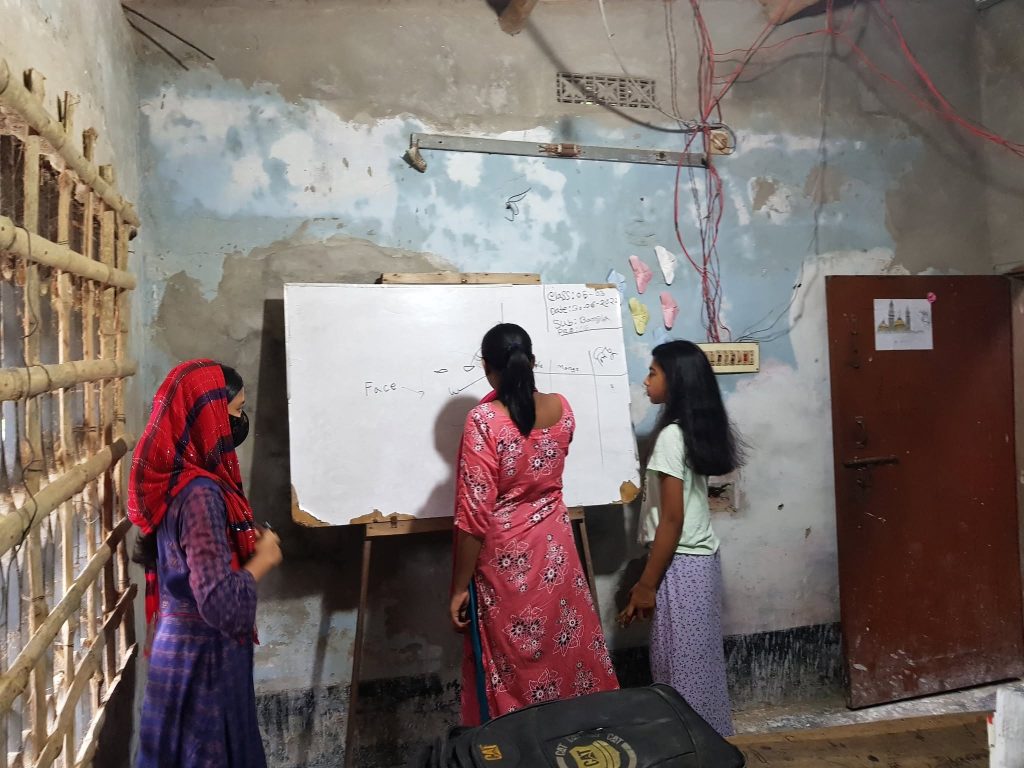
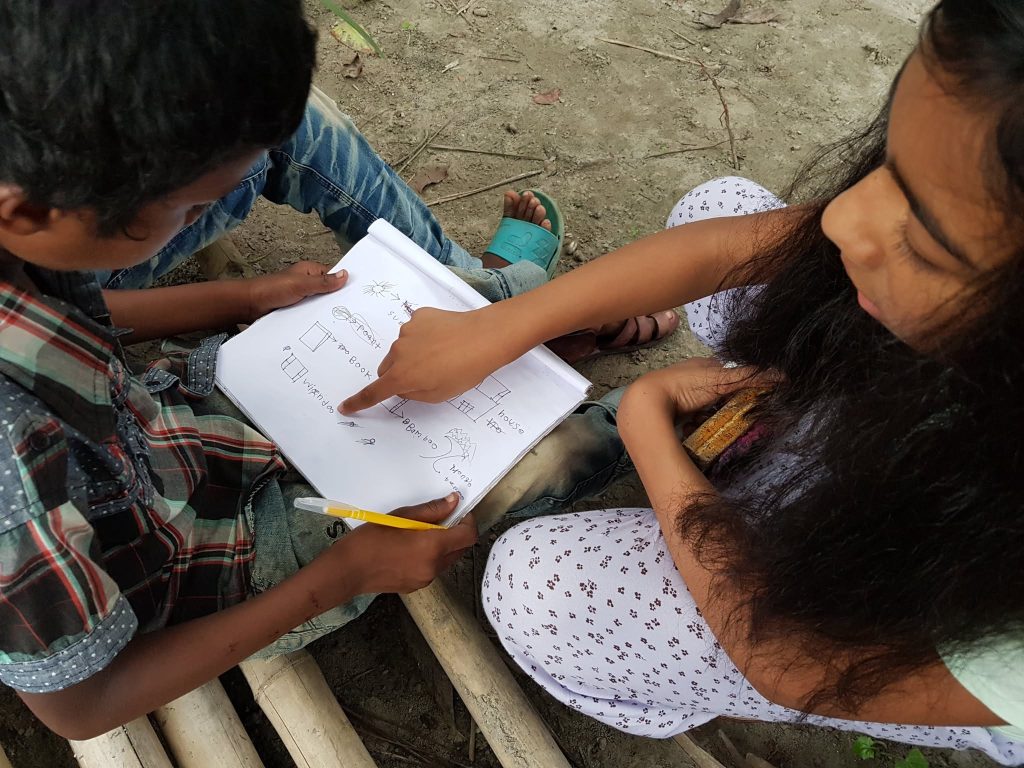
EDS is based on giving children and youth responsibility to teach and mentor younger children and youth. The EDS children and youth learn from own actions, experience and critical reflection to become teachers and mentors. Through action research and Living Education Theory Research, we develop our pedagogy and didactics as well as our EDS community of practice. We foster curiosity to explore, try out, share what we learn and connect theory and practice.
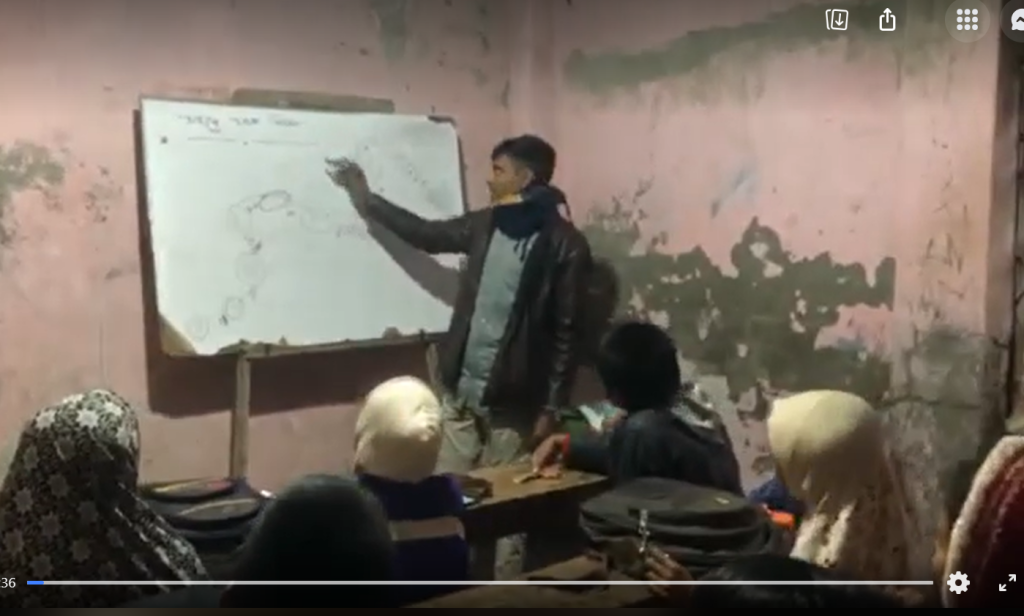
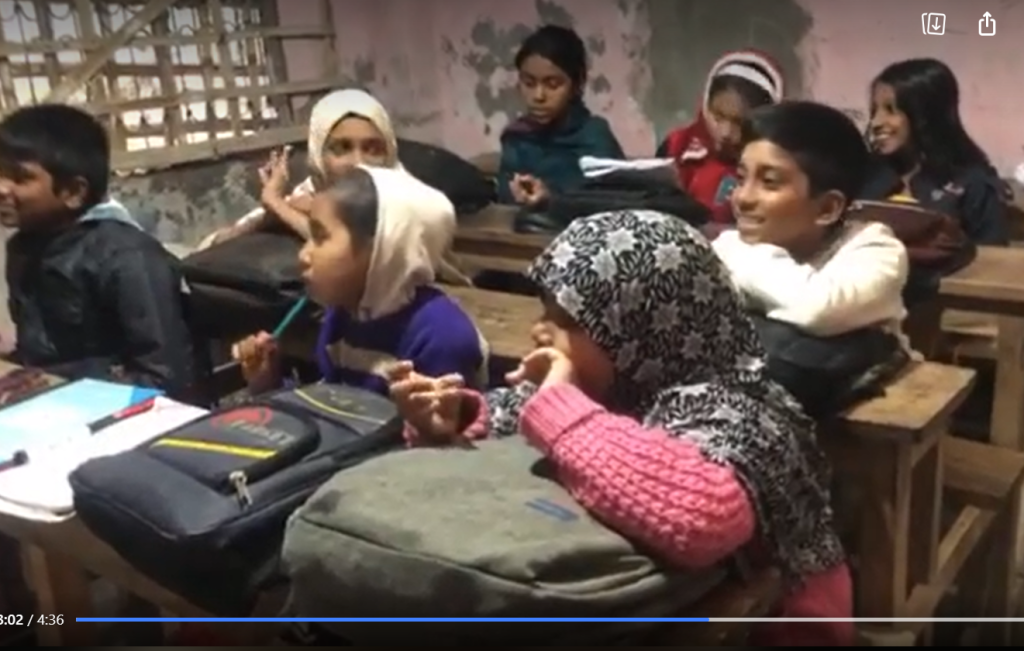
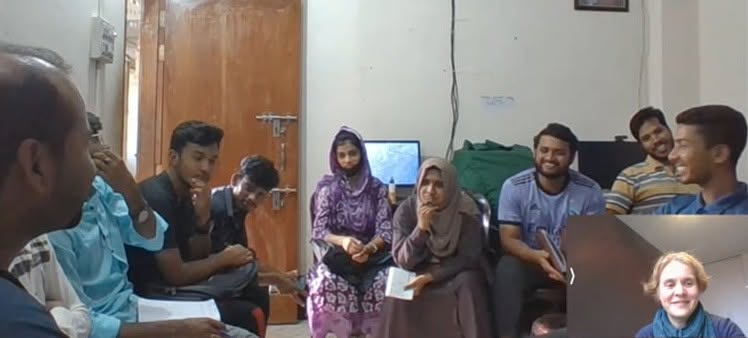
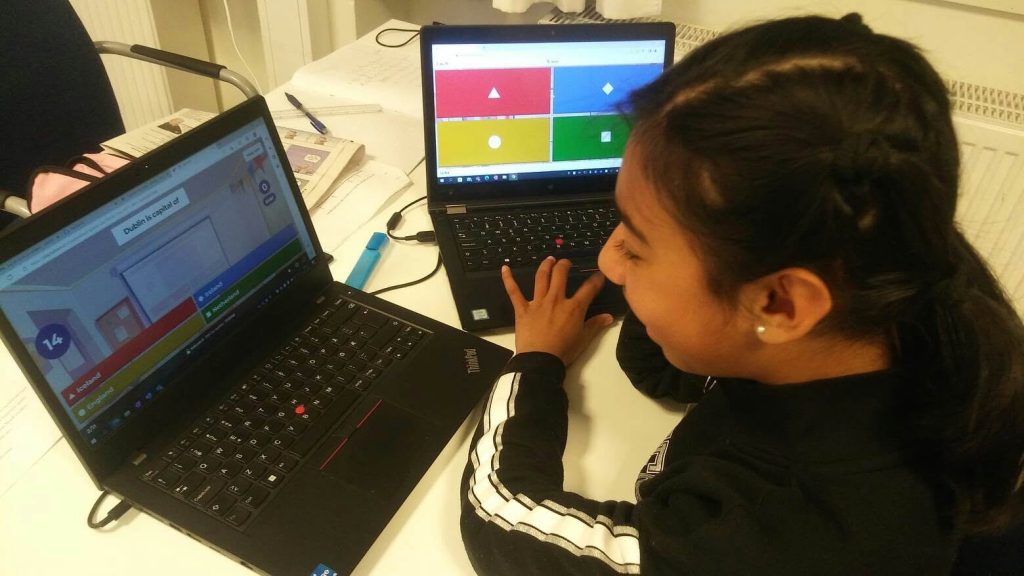
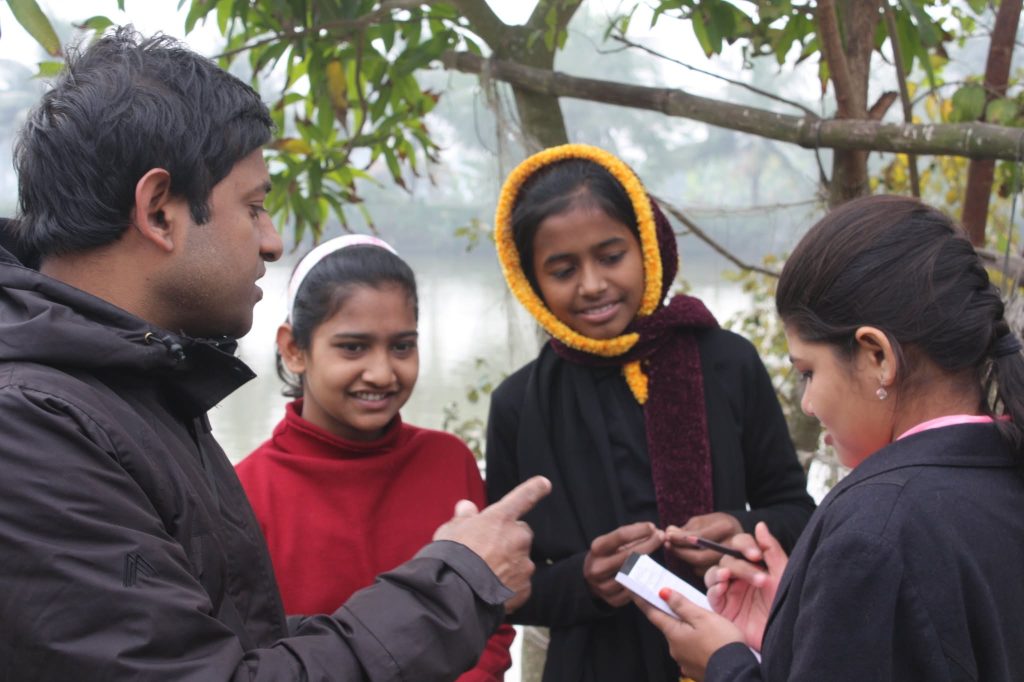
We observe our EDS youth teaching, directly and videos, and critically reflect together on their pedagogy, didactic and how they express their living values. We also look for evidence and reflect on how they impact their students’ learning and are impacted by their students. Here Munna had watched Youtube for inspiration, planned and conducted a class on learning Math through games. The picture shows how engaged and motivated his students became.

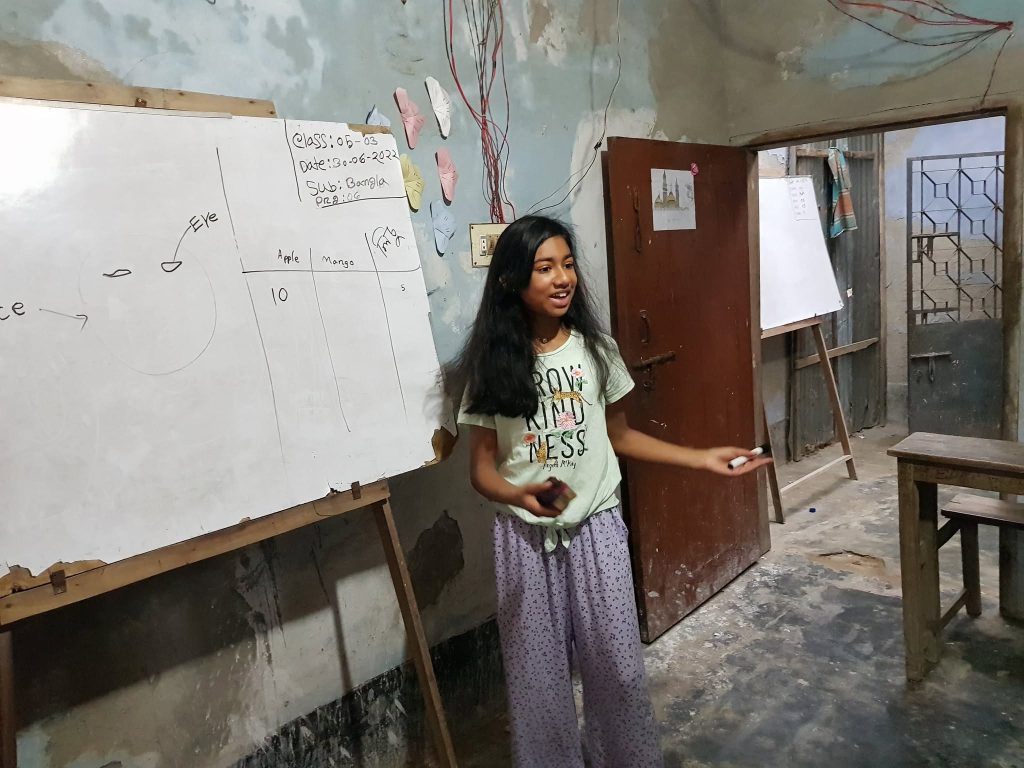
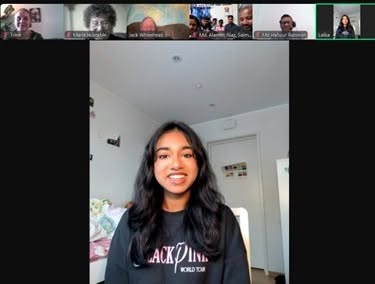
Laiba Rahman, a secondary school student in Norway teaching and giving teacher training to EDS children and youth

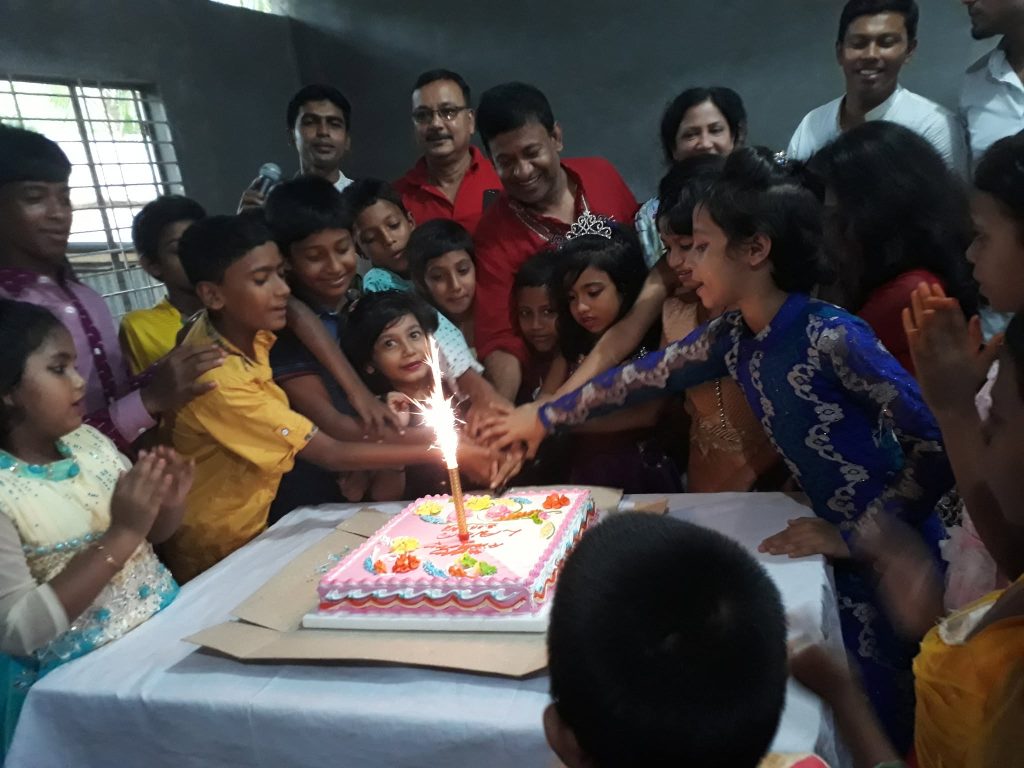
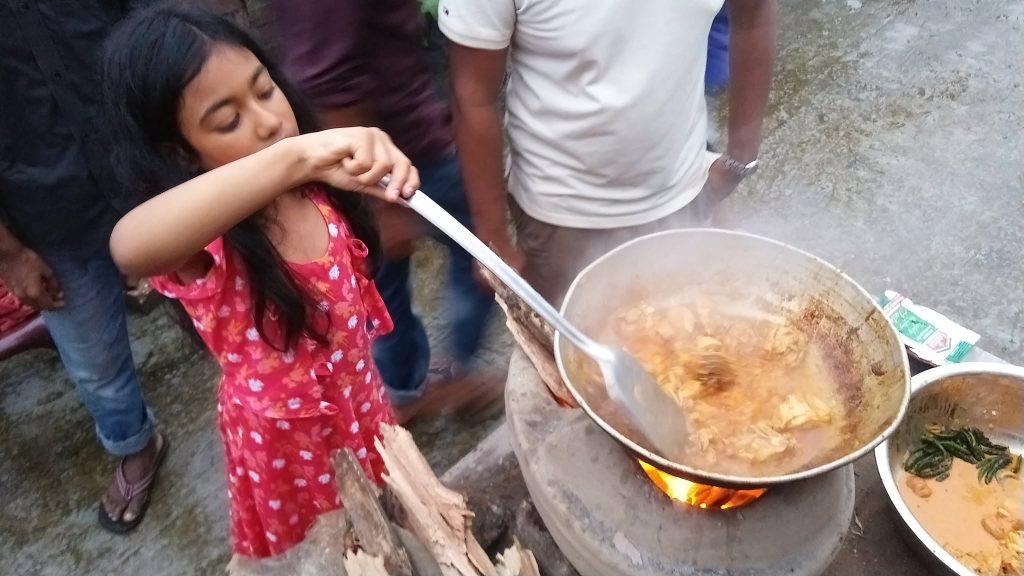
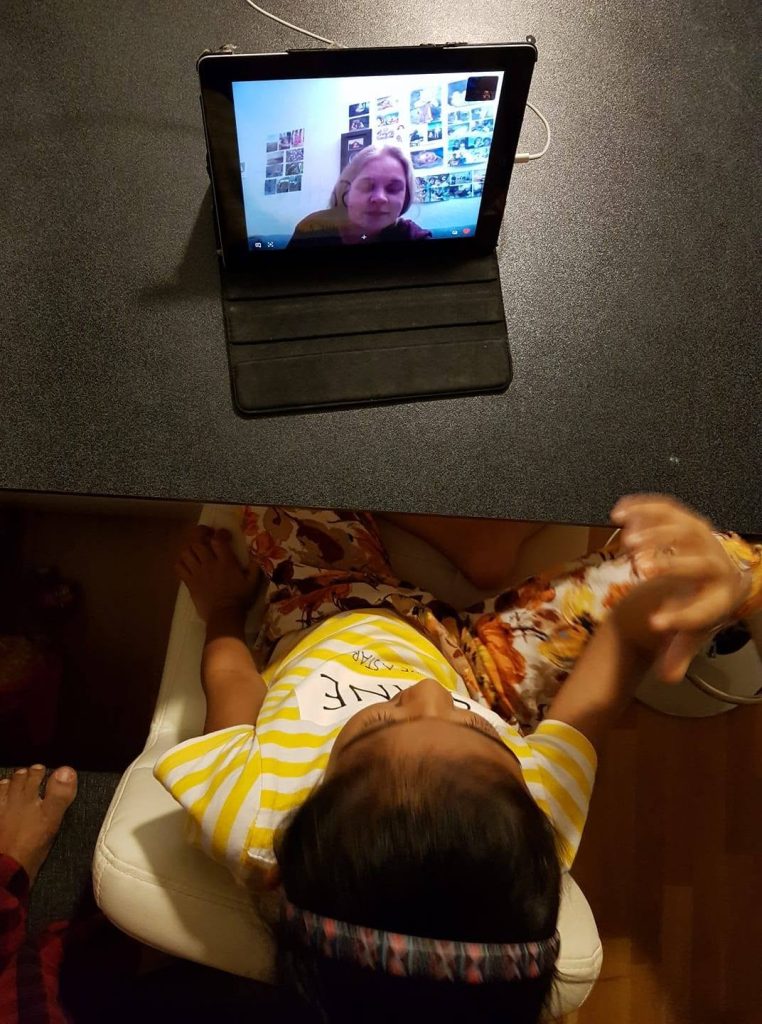
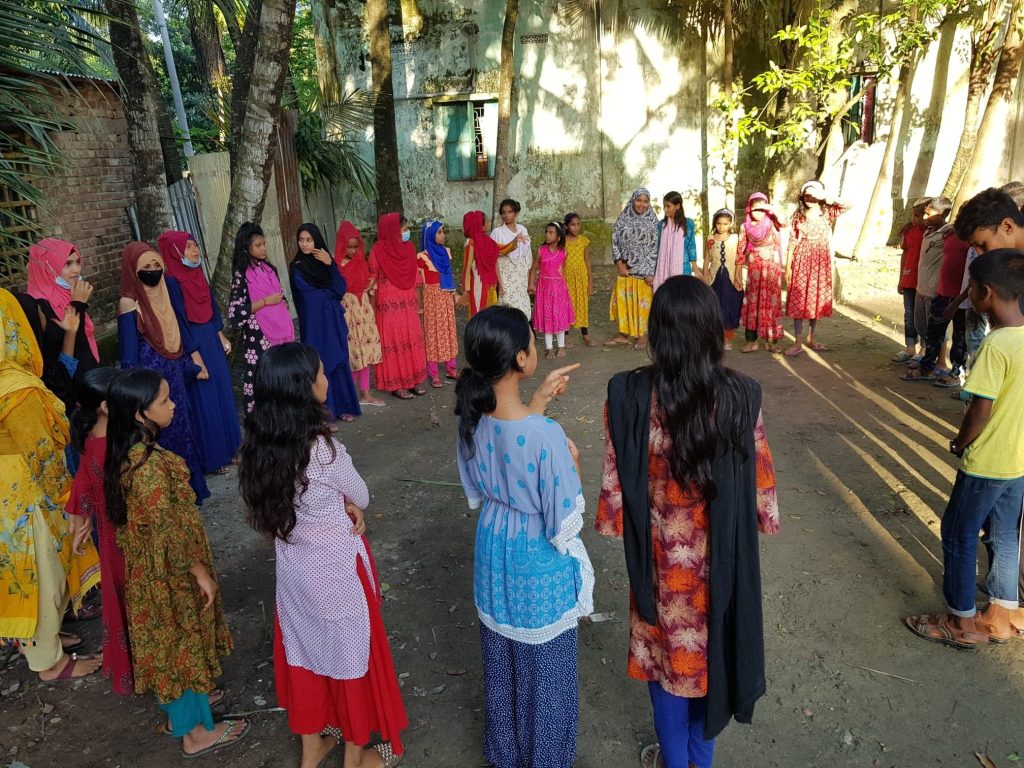
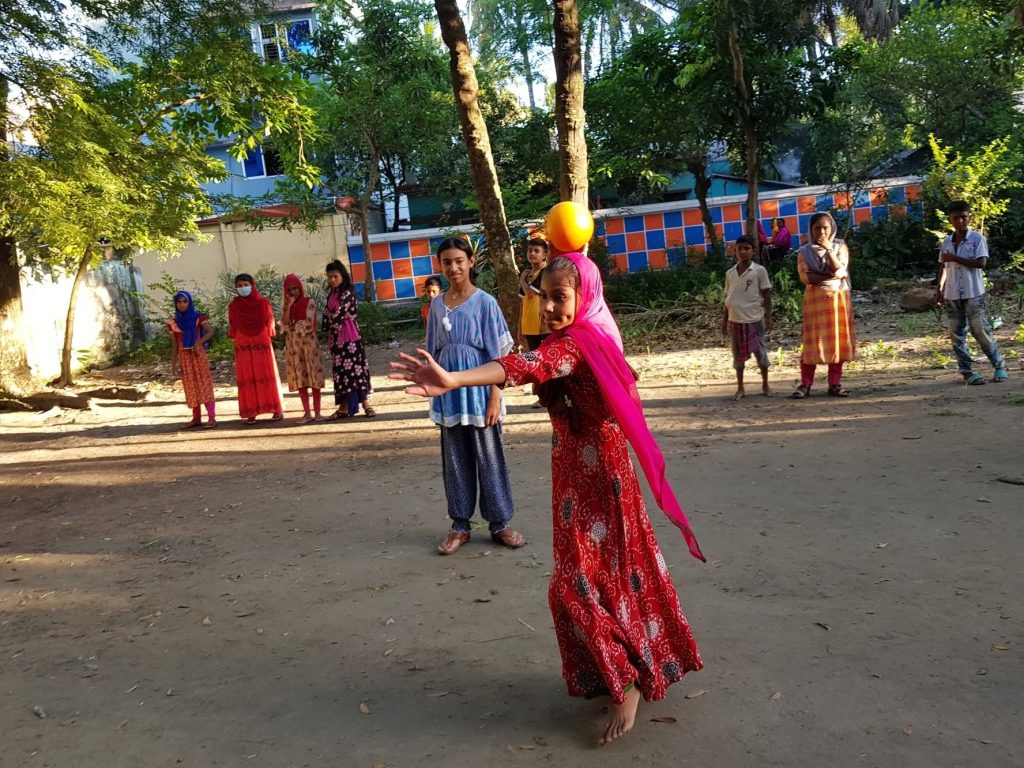
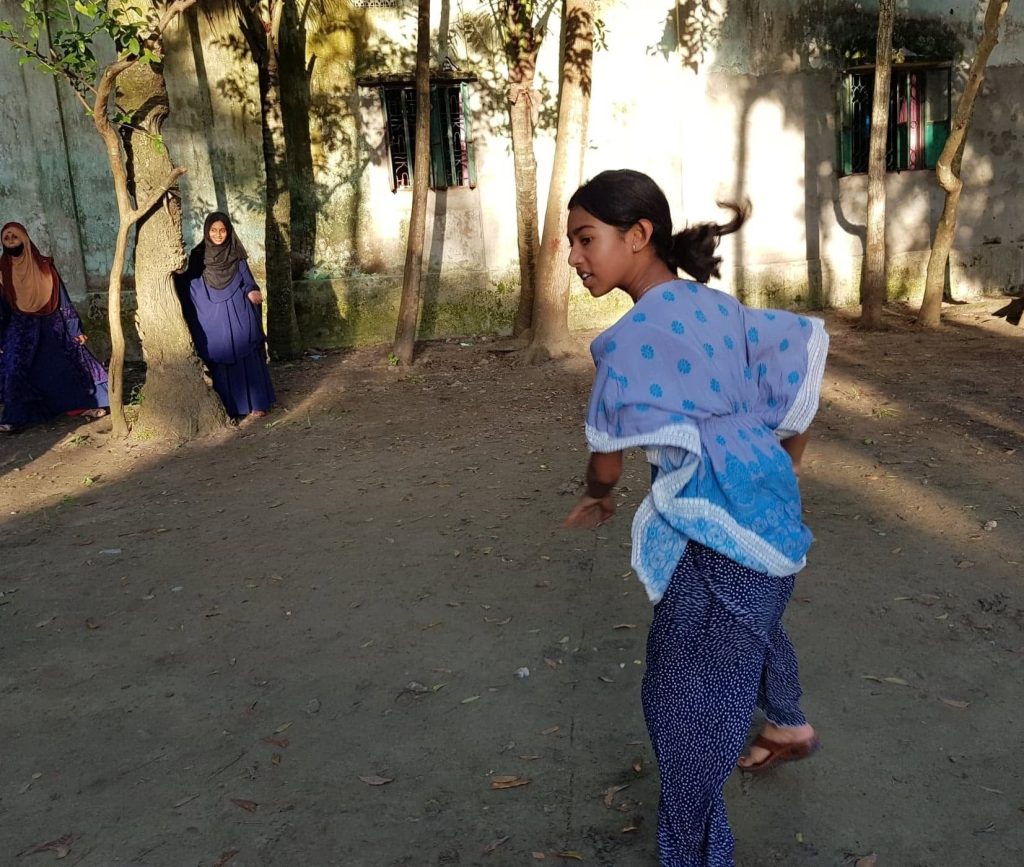
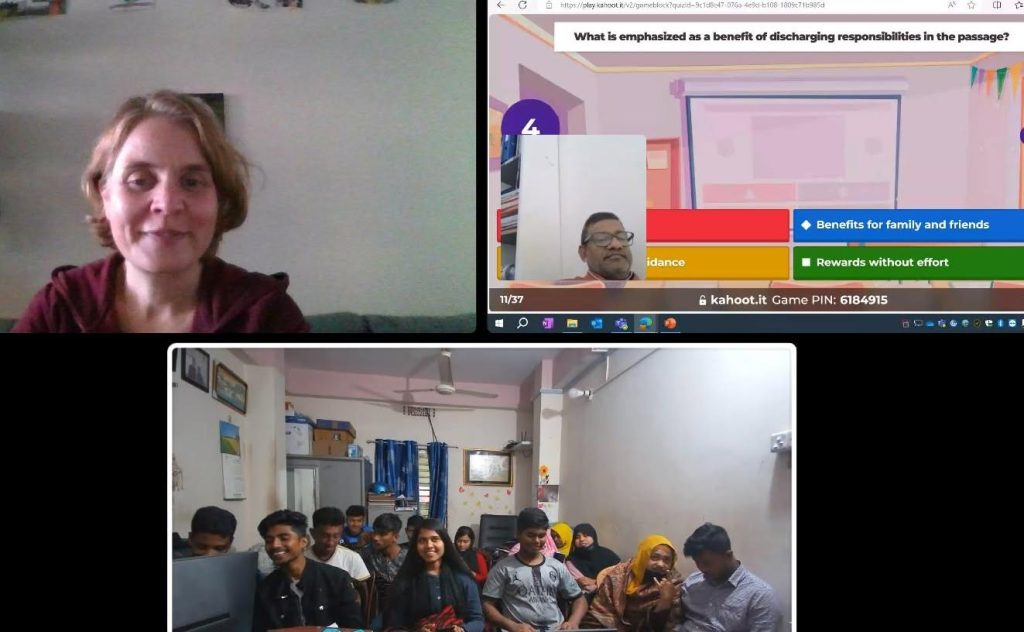
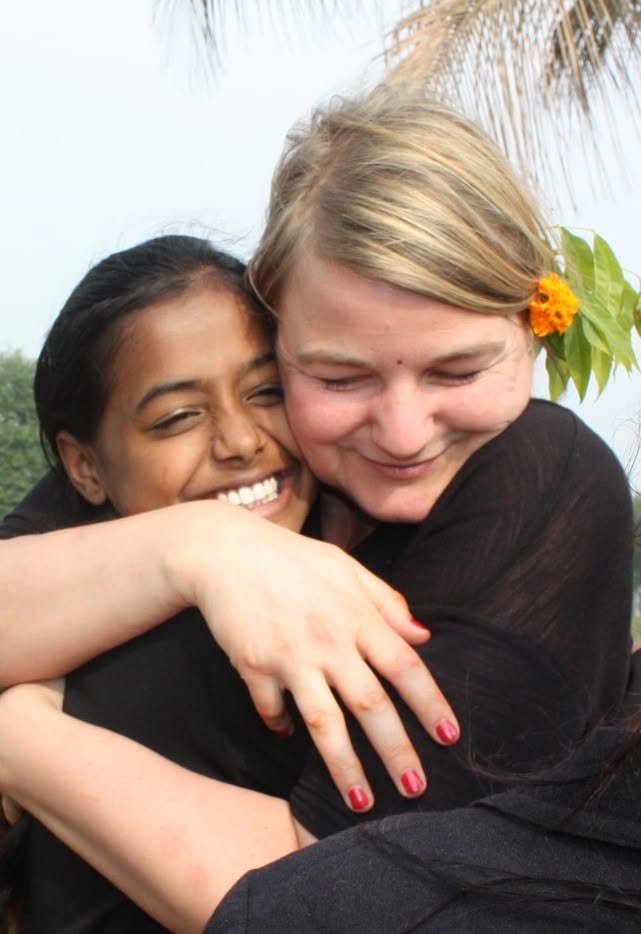
Laiba Rahman, uses the pedagogy and didactics she is learning from being a secondary school student in Norway, to give teacher training in EDS. She often visits EDS in her summer holidays. Then she lives with our EDS children and youth, cooks with them, celebrates her birthday with them, plays with them and creates friendly relations. Laiba has taught EDS teachers to use games for enhanced learning. They have implemented it in their classes and their students love it. Laiba actively engages in critical reflection on her as a teacher and teacher trainer as well as on her students’ learning with the EDS teachers. She also shares her experiences and reflections with Professor Jack Whitehead PhD and Head editor of the Educational Journal of Living Theories Marie Huxtable PhD, both affiliated with the University of Cumbria, UK to further explore how she uses love in practice.
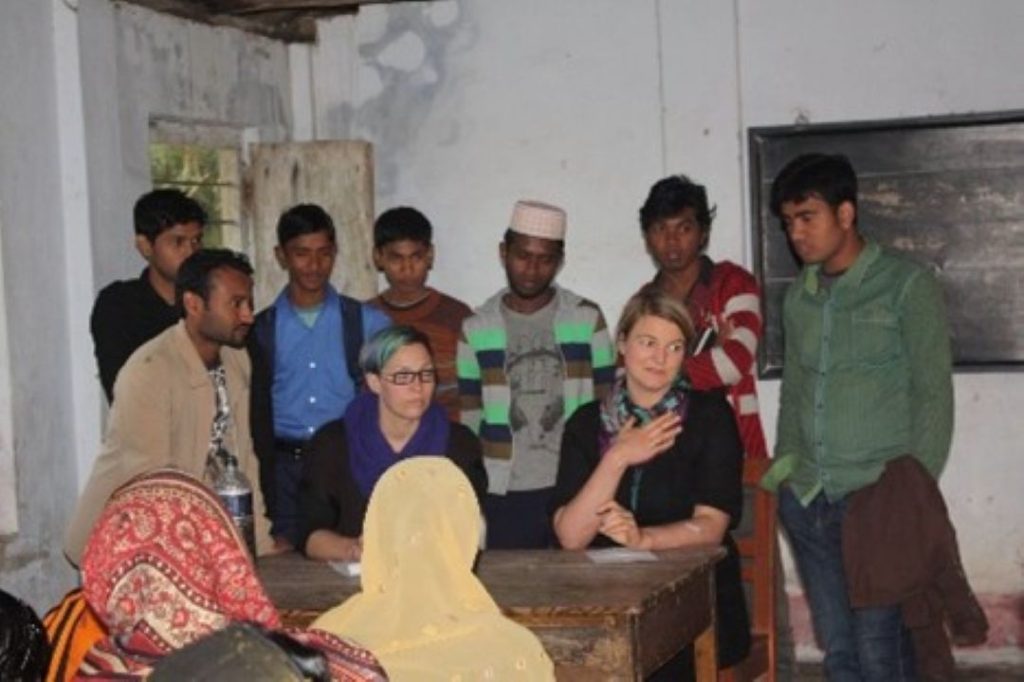
EDS supervising Norwegian teacher students

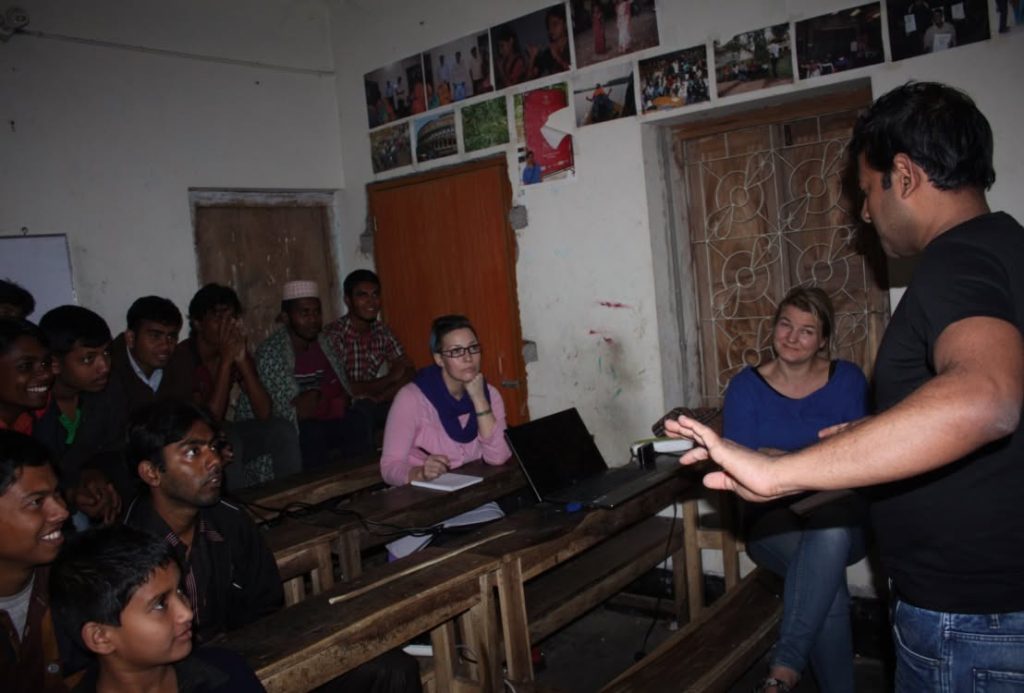
We learn from each other and therefore invite teacher students from Bangladesh and abroad to do teacher training practice with us.

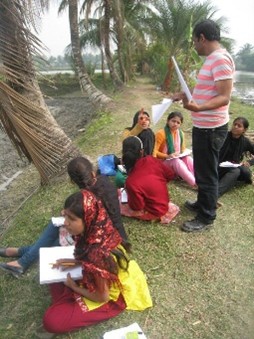
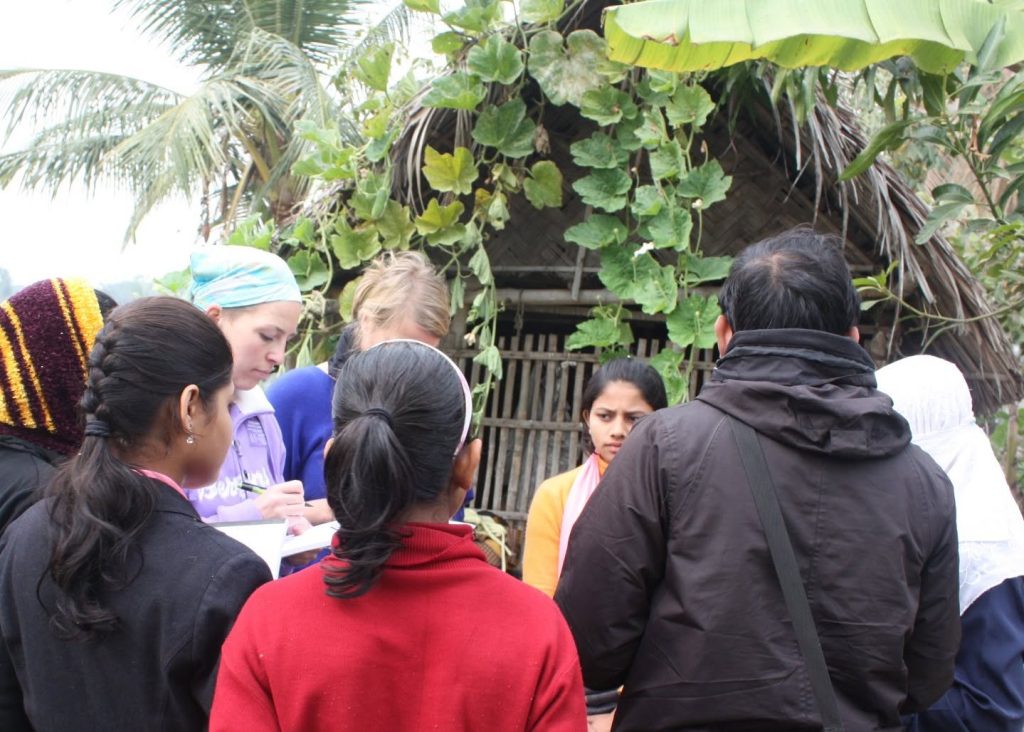
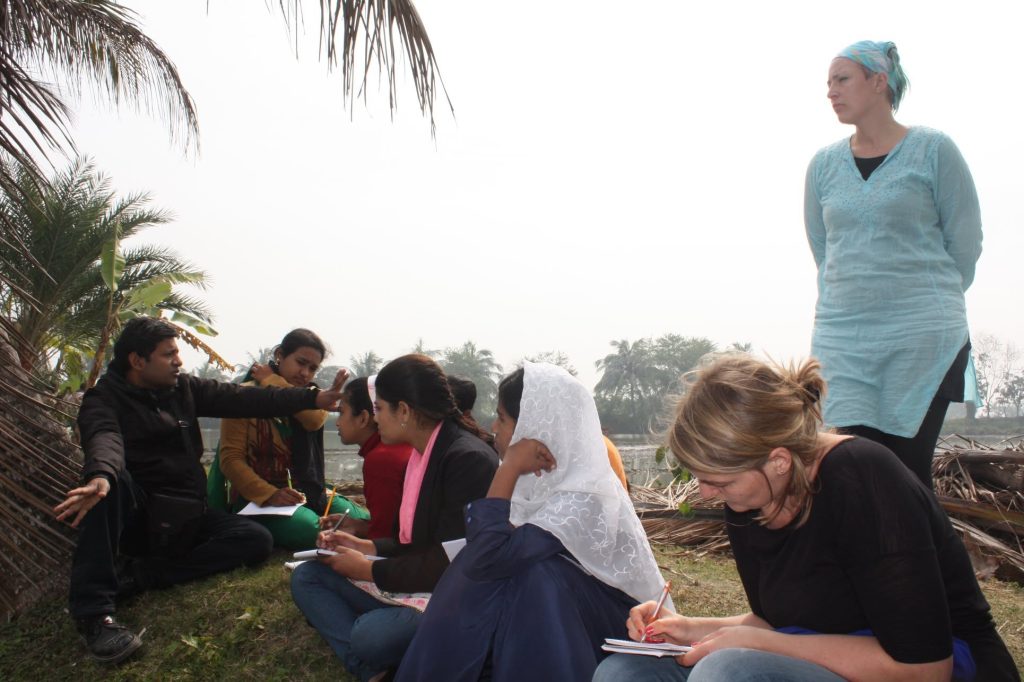
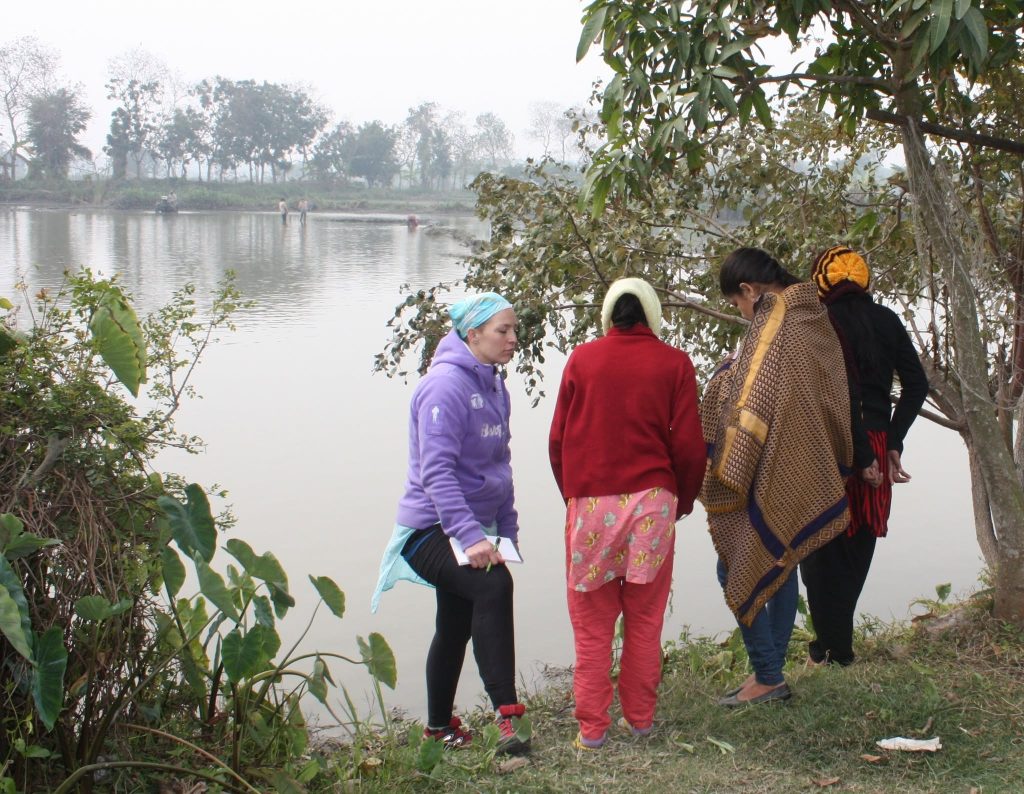
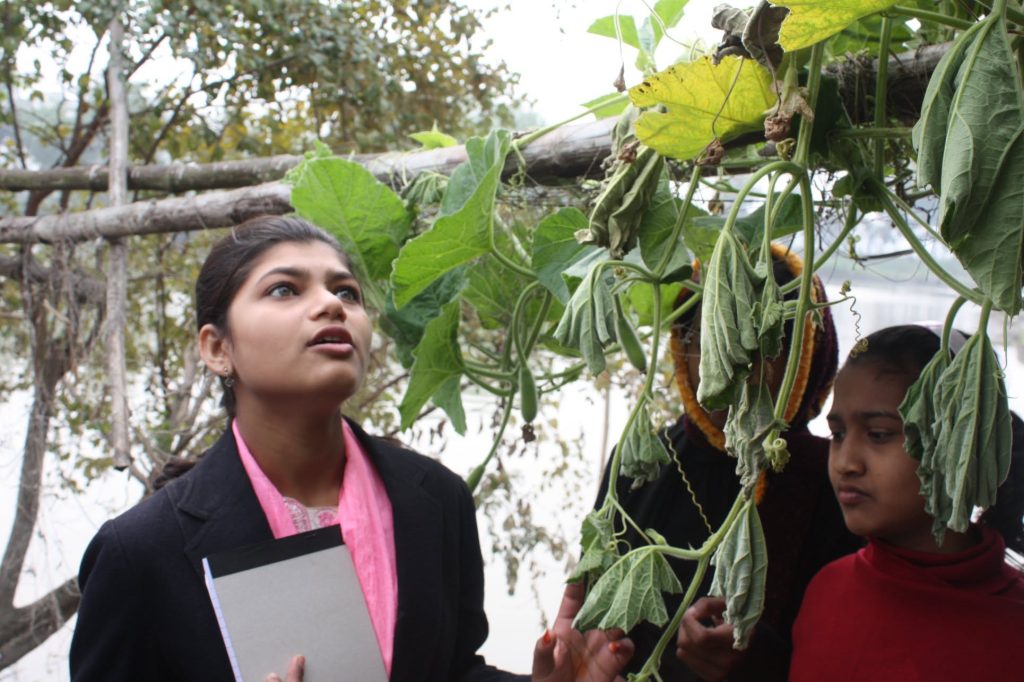
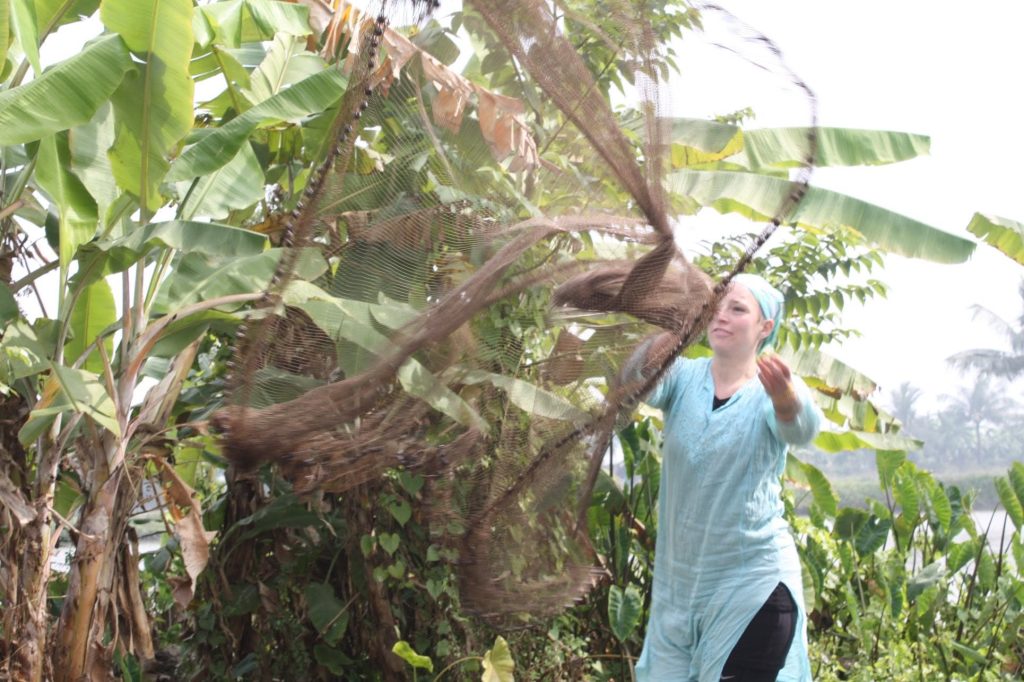
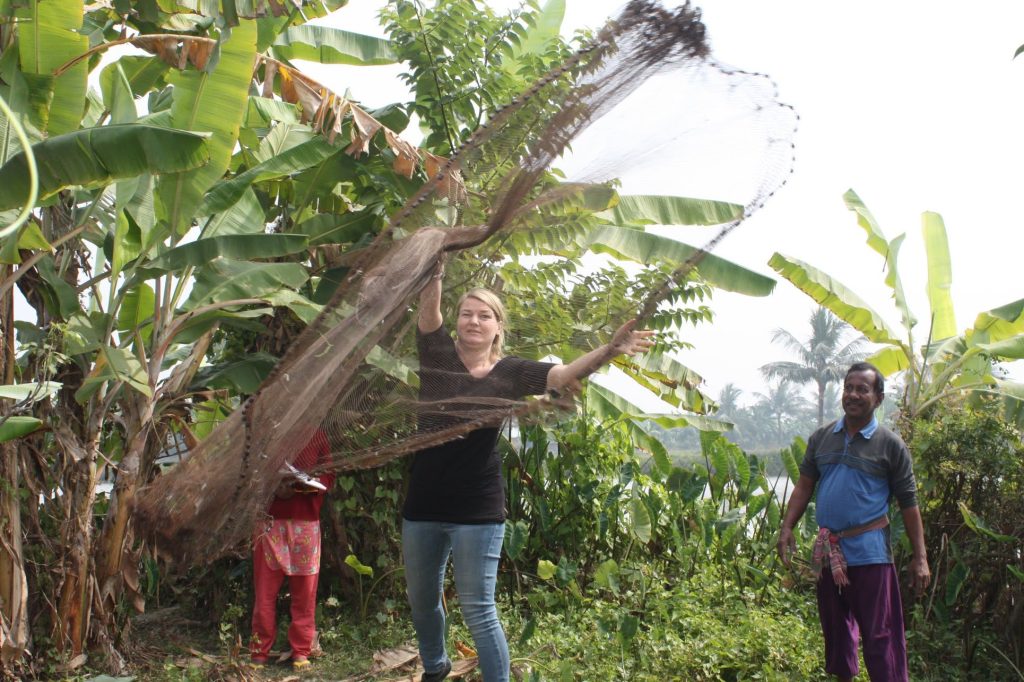
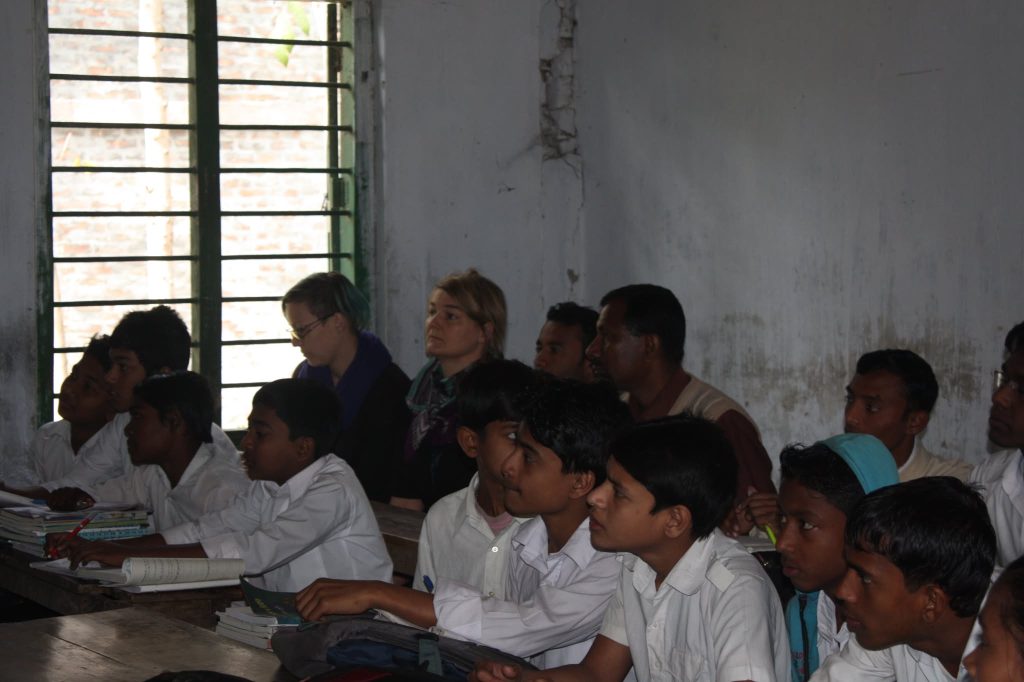
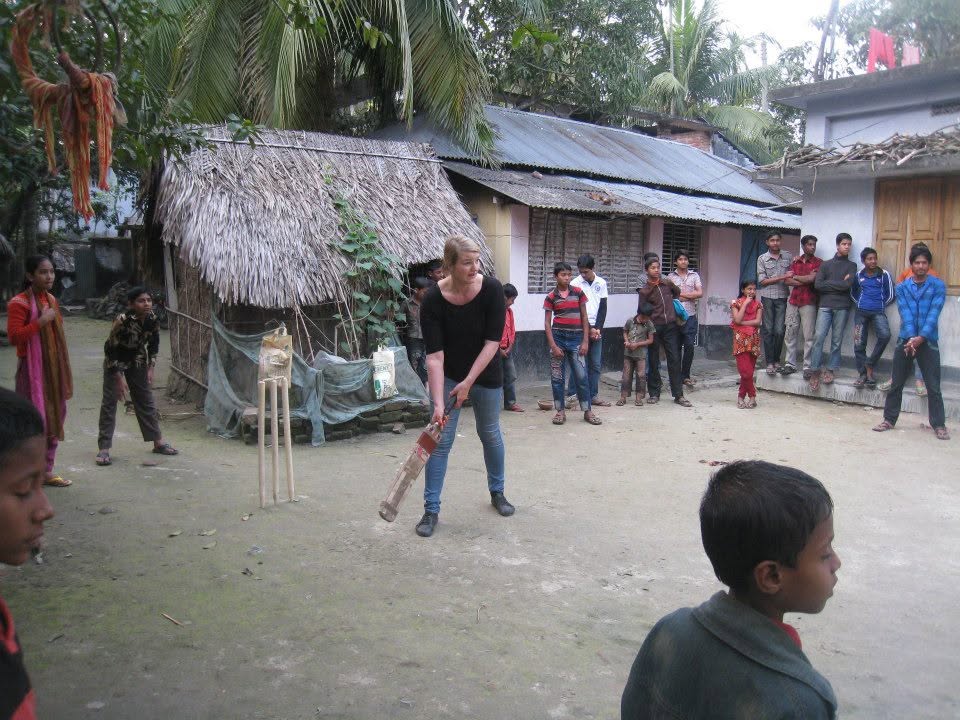
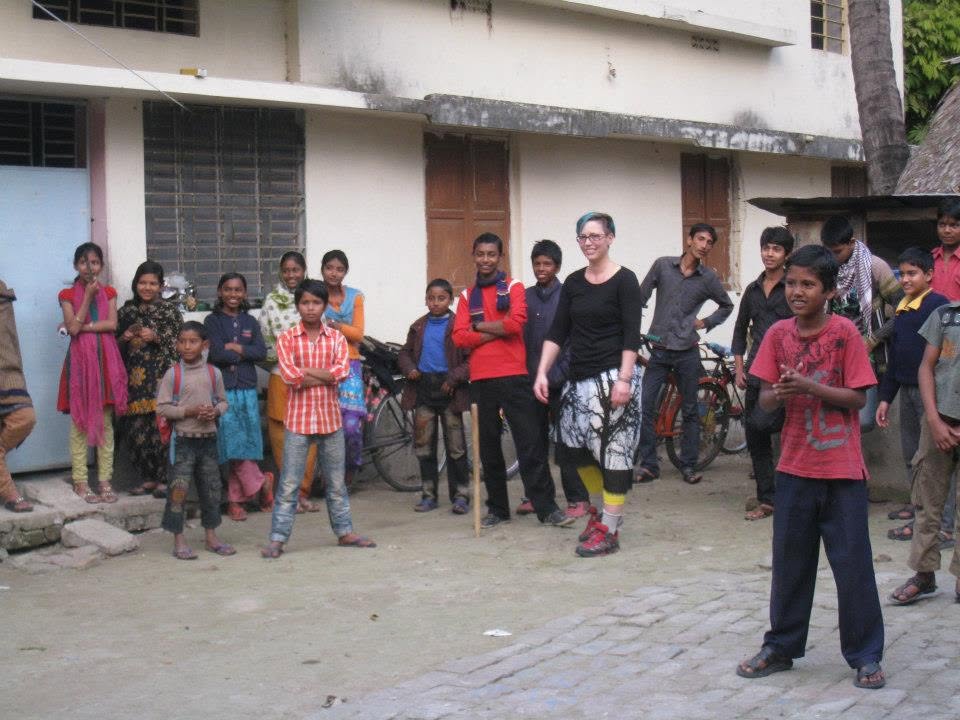
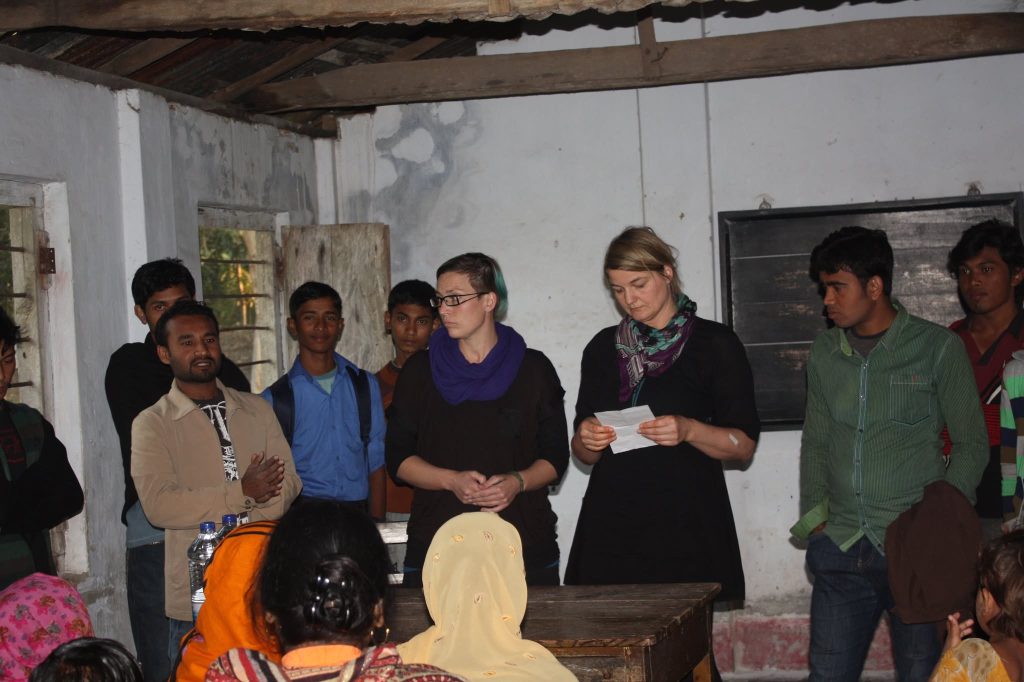
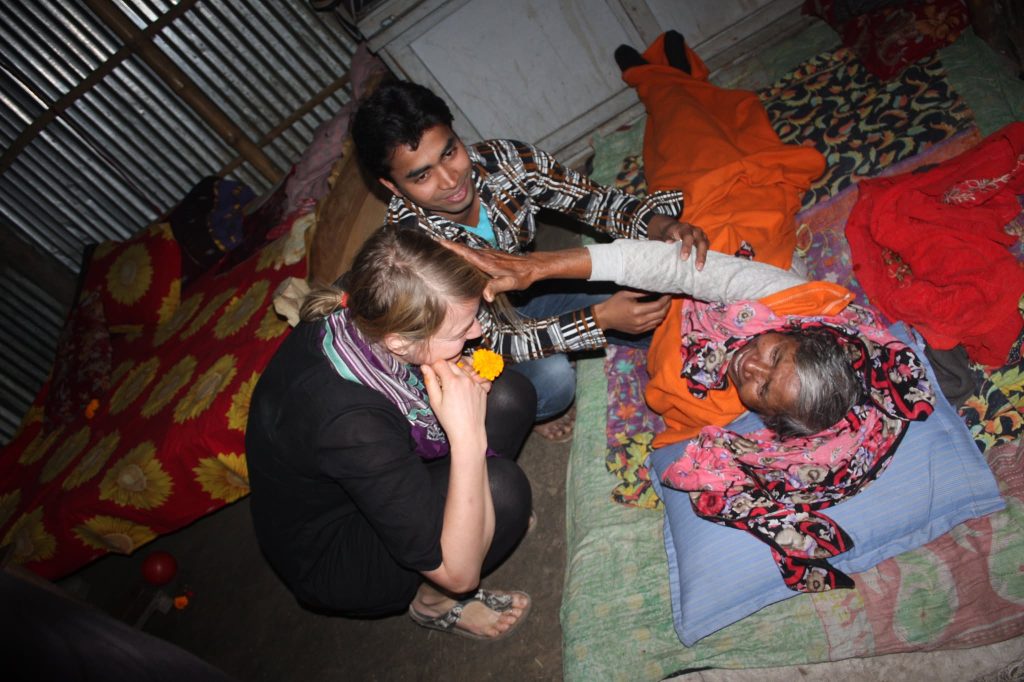
Hilde Iren Norvalls (now: headmaster at Natur high school, Norway) and Signe Aanby (teacher) lived with the EDS children and youth ….weeks as a part of their teacher training from NMBU. Hafiz and Alamin were local supervisors. We made a plan where Signe and Hilde interacted with our EDS children and youth daily. They observed how our EDS children and youth teach in EDS, learned about the EDS method in practice, observed interdisciplinary teaching and explored the ecosystem in our fish farm, visited local schools to learn about the Bangladeshi education system, visited EDS children and youth’s homes and met their parents. They played and enjoyed with our children and youth, went fishing, played cricket and became good friends.

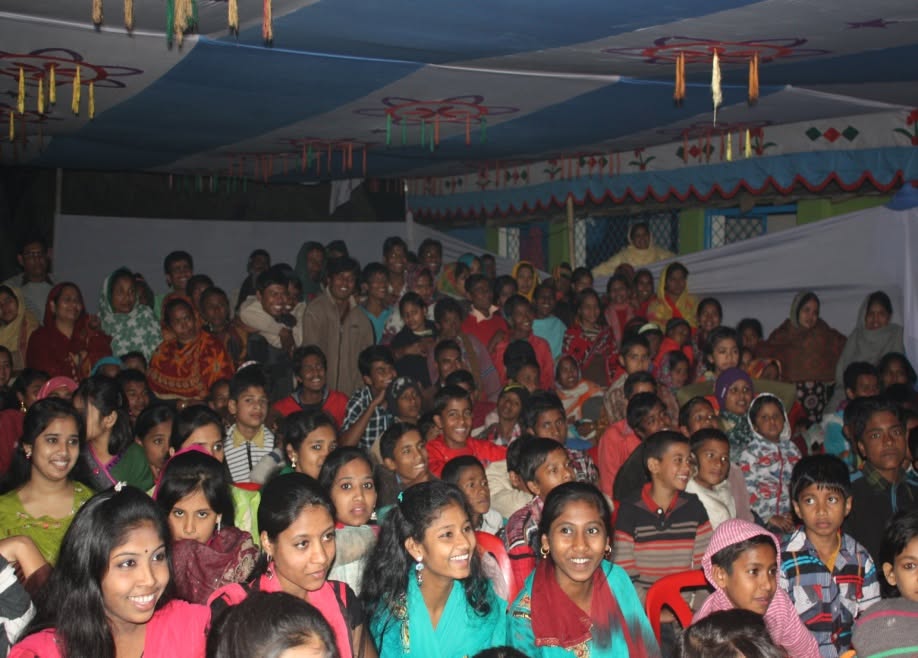
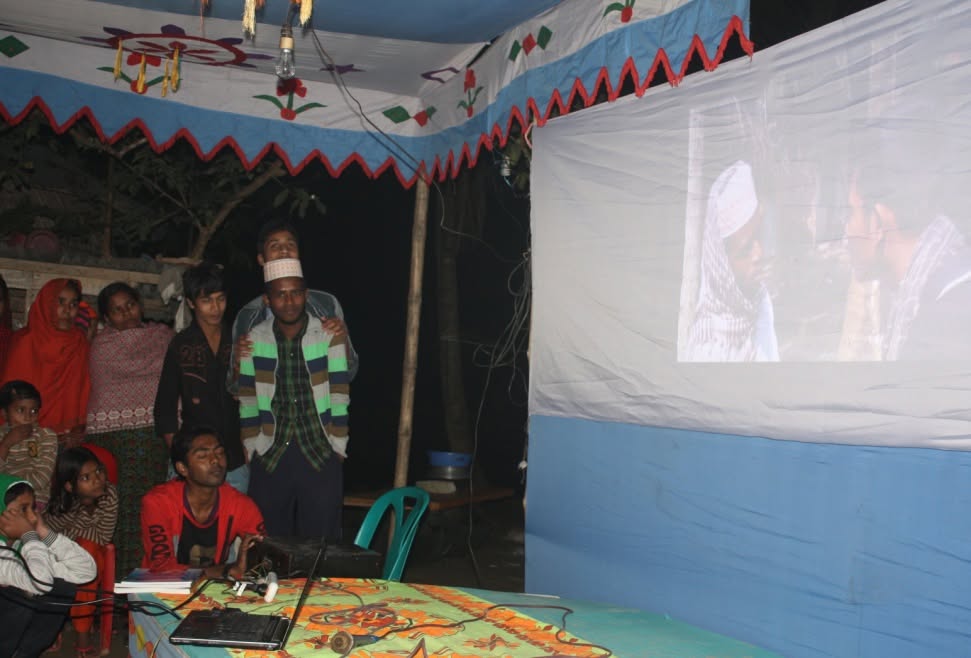
As a pedagogic development project, Signe and Hilde made a movie with the EDS children and youth. The children and youth chose the topic, made the scripts and played all the roles with Signe and Hilde. They filmed the movie and showed it to 400 children and youth. The movie was about a girl from an economically poor family. She loved learning and dreamt of getting good education. When she failed an exam, her parents said studying was not for her and married her off to an older man who claimed he was rich and would treat her well. The husband and his mother mistreated the young girl after the marriage. They forced her to stop her education and become their slave at home. The husband threw acid in the girl’s face to destroy her. The girl escaped, ran home to her parents and started her education again.
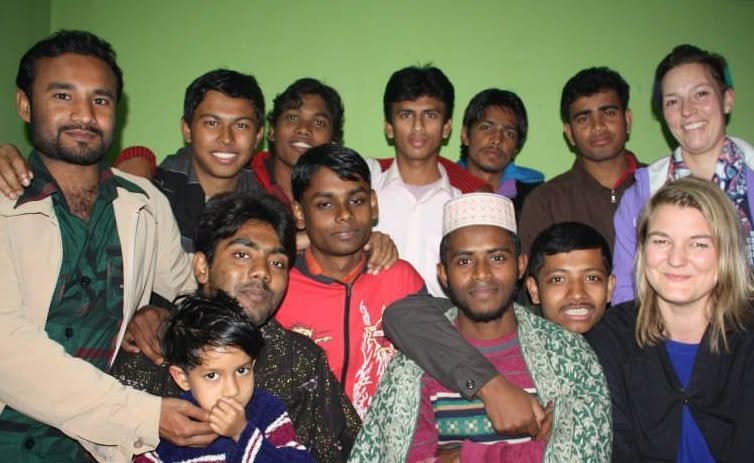
The EDS children and youth processed a common topic which occurs to too many young people in their community and in the process they further developed their skills in English, teamwork, critical reflection, democratic processes, collaborating closely with international teacher students and they were really proud to show the movie to other children and youth.  

Interdisciplinary learning and exploring the fish farm ecosystem

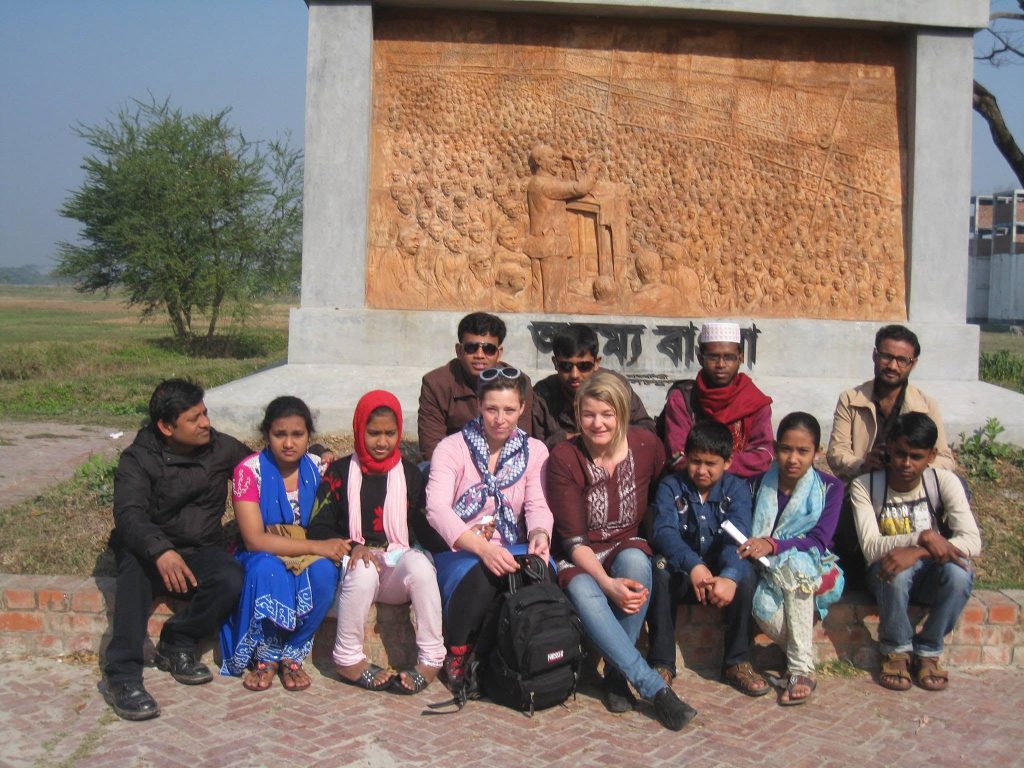
Signe and Hilde living with our EDS children and youth, experiencing their daily life and the Bangladeshi culture. Catching fish, visiting local schools, playing cricket with our children and youth, visiting EDS Ajax branch, visiting the mother of an EDS student and teacher and going with our children and youth to the ….memorial to know about the Bangladeshi history.

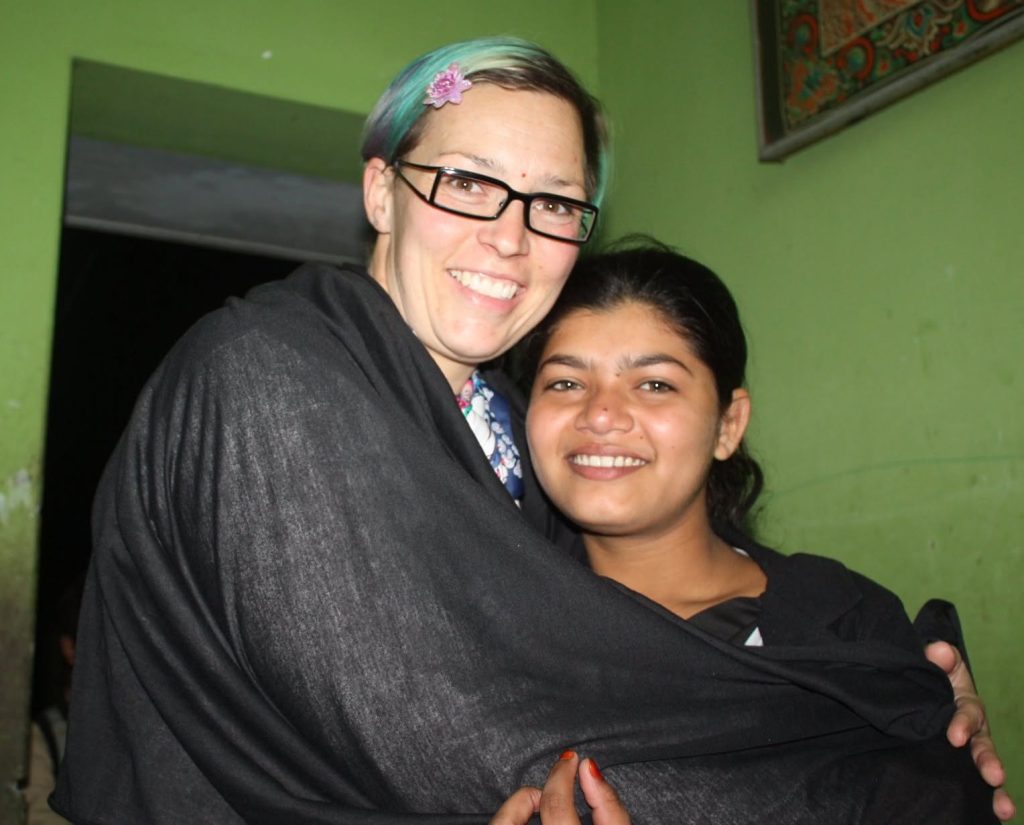
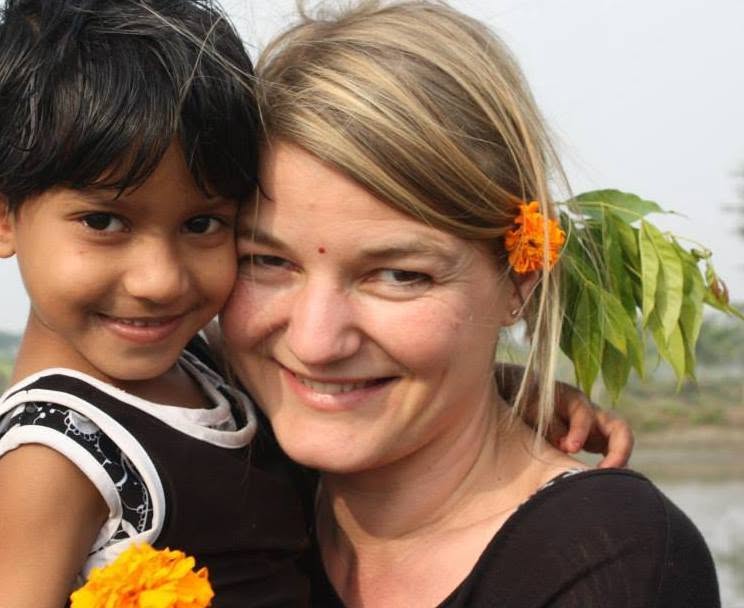
And creating lasting bonds

Results

Our children and youth have developed into compassionate and professional teachers who deeply care for their students.

You are welcome to learn together with us!

See references at Link to Publications