Challenge

Girls and women in Bangladesh face complex challenges like

  • child marriage (51% or 38 million of Bangladeshi women were married before they turned 18. 13 million were married before they turned 15)2
  • lack of safety (94% of Bangladeshi women have experienced sexual harassment in public places, and they have a higher risk for sex trafficking and domestic violence)15,16
  • no place to play or do sports
  • high school dropout rates
  • do not receive the government educational stipends they are entitled to
  • negative social control, conservative thinking and expectations to fill traditional gender roles

As girls are expected to marry early, have children, take care of the household and their in-laws, many girls do not believe there are other options. From childhood they are trained for this role. Hence, many girls are shy, have low self-esteem and are not aware of their value, competence or possibilities of higher education, getting own jobs and becoming independent. After child marriage, girls normally drop out of school and become dependent on their husband and in-laws.

Our response

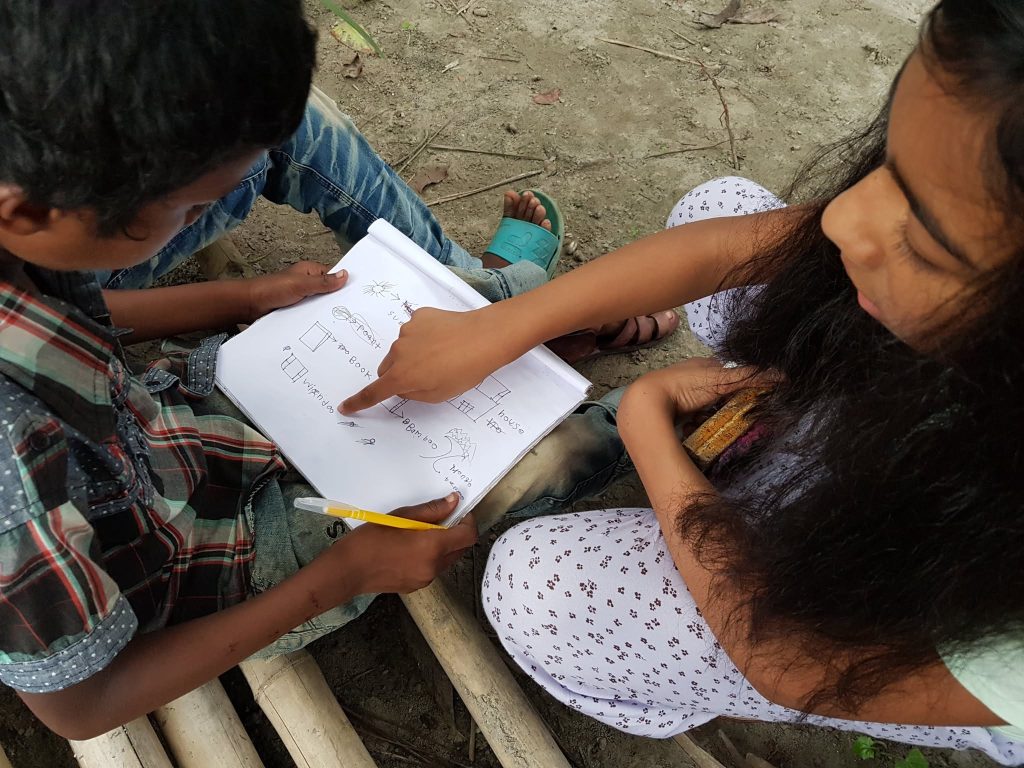
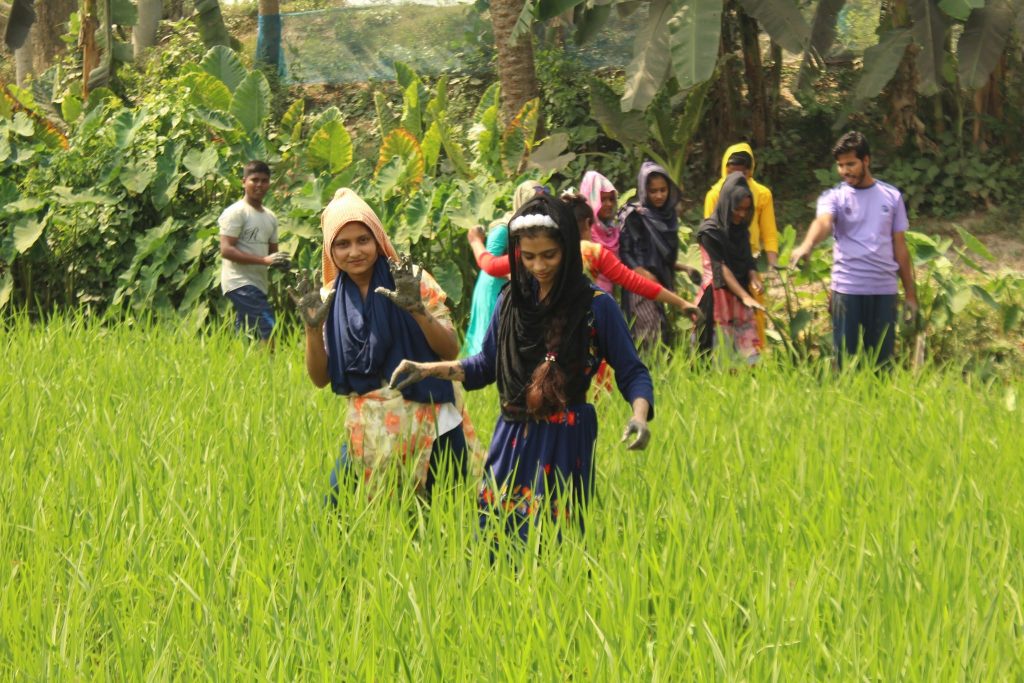
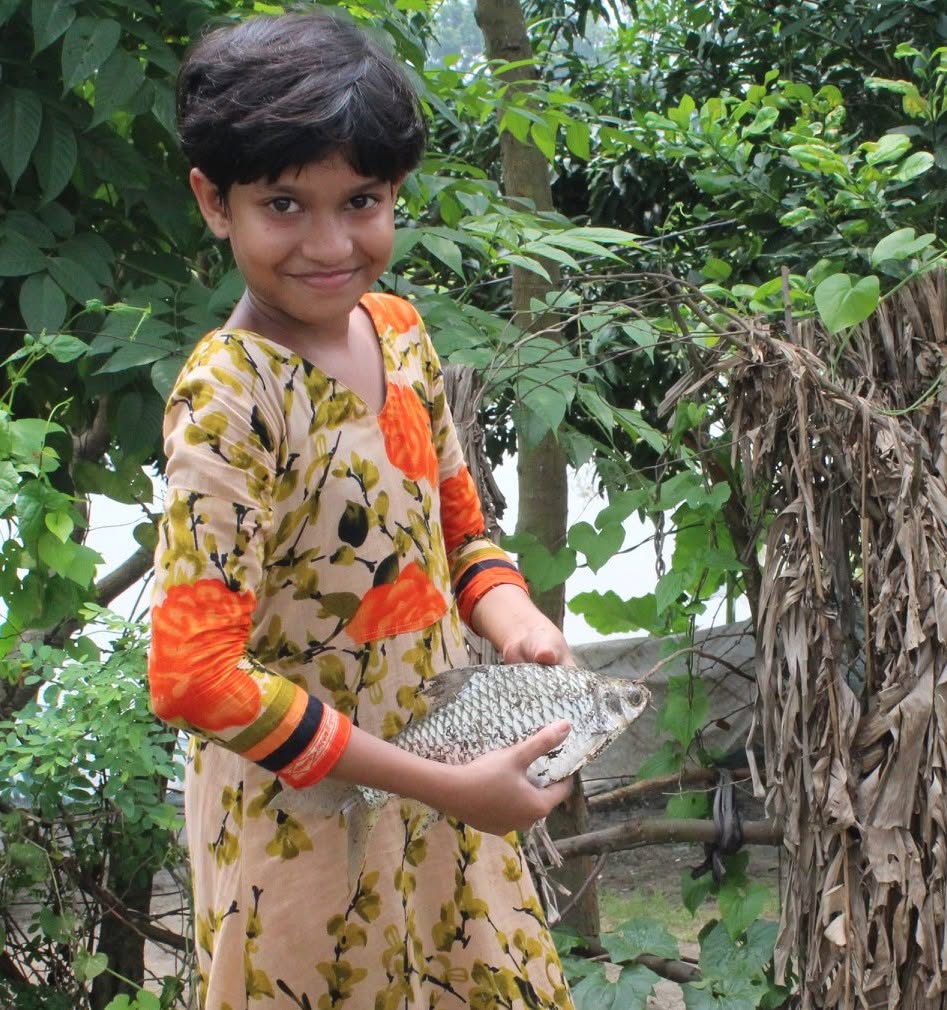
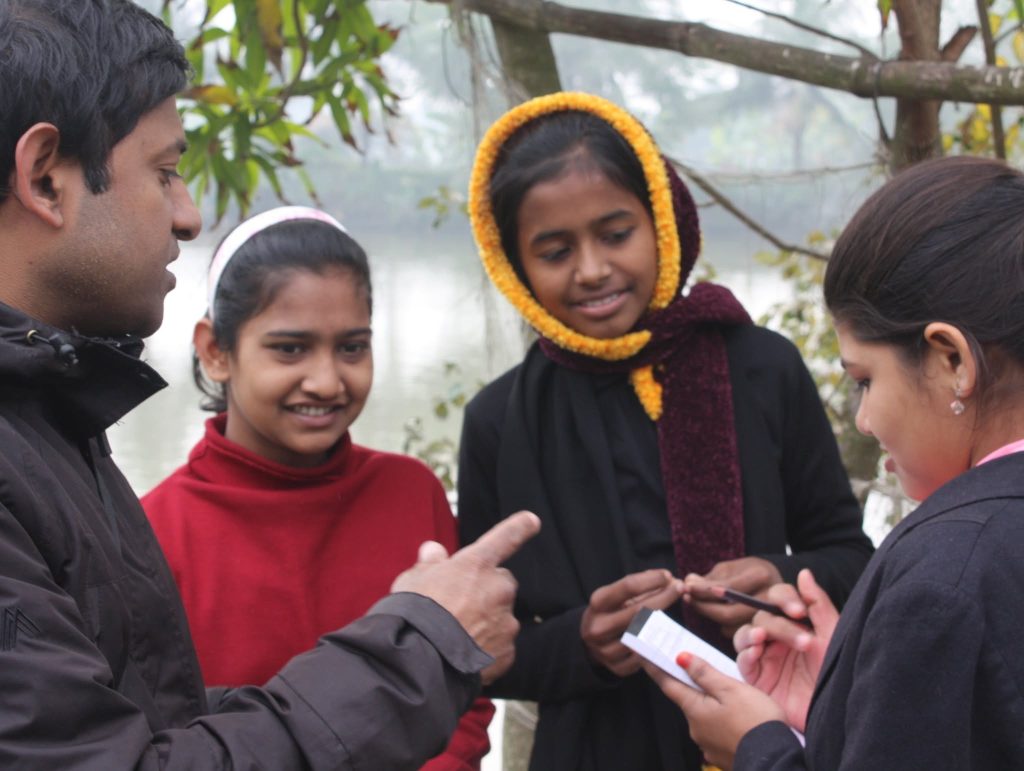
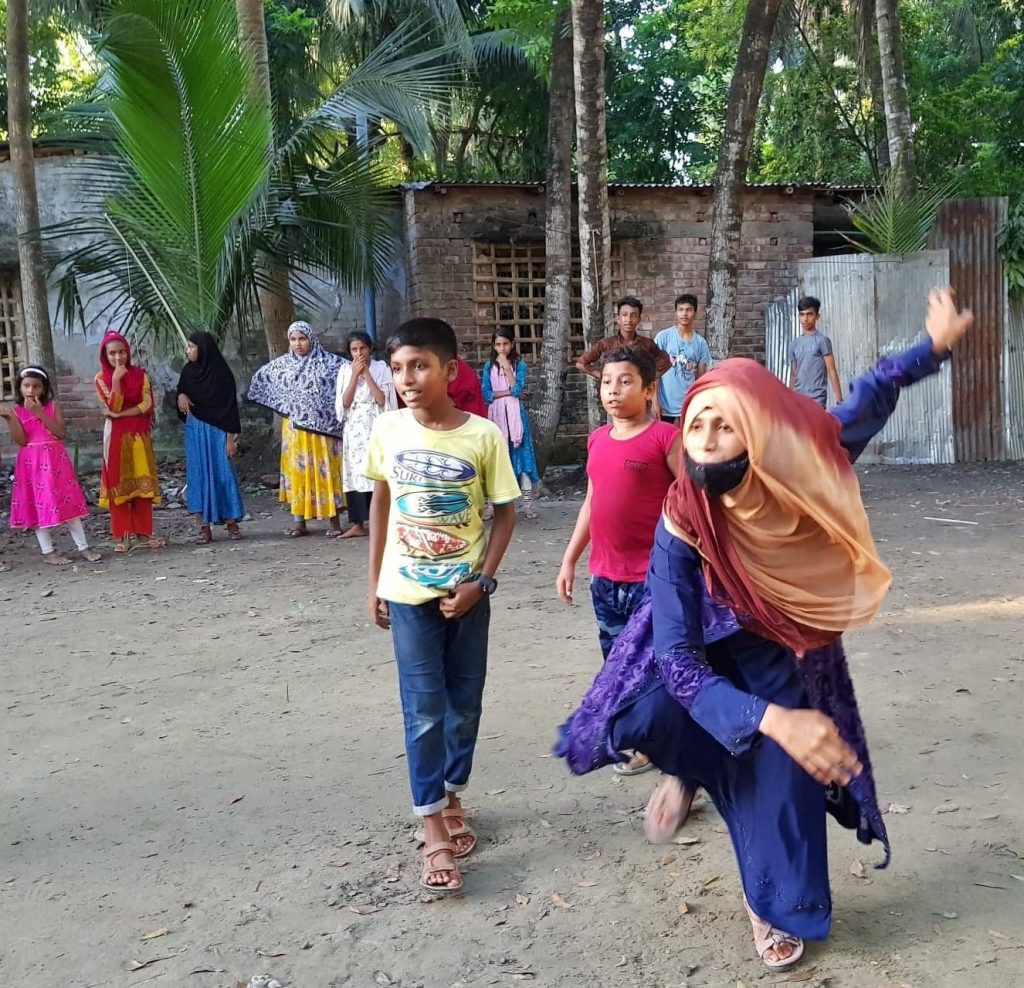
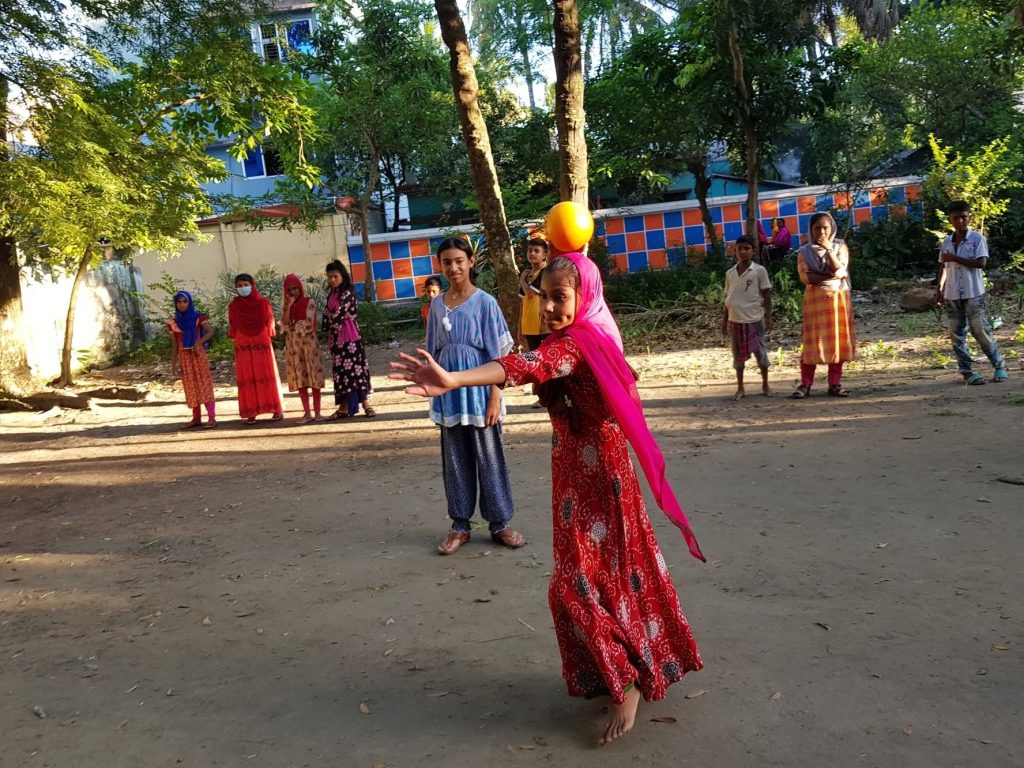
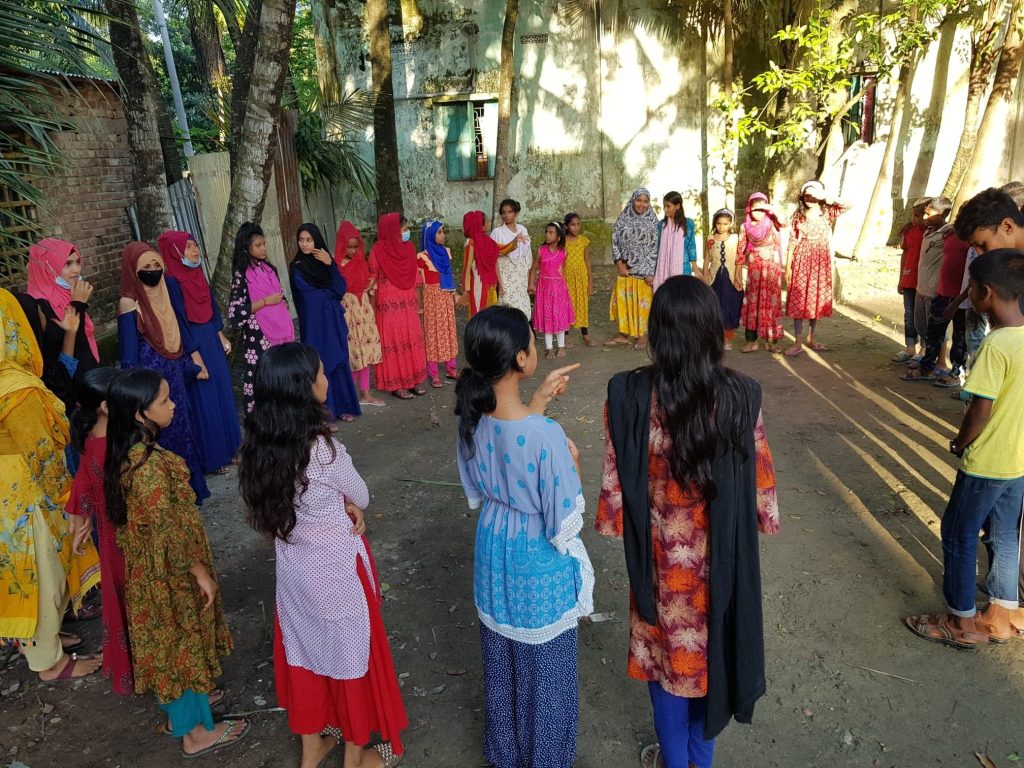
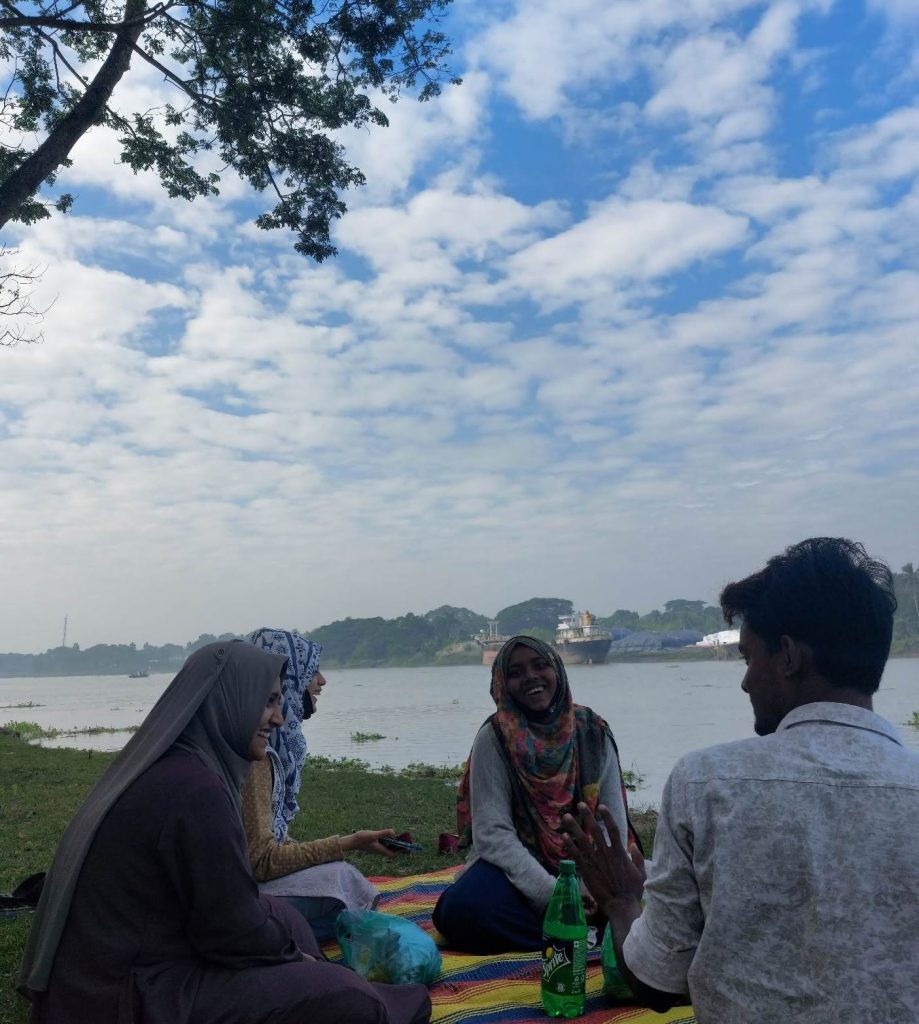
In EDS, we create a safe environment for girls and women where they get education and take leader roles which transform their beliefs about themselves and what they are capable of doing. We facilitate and ensure their safety so they can participate also in evening meetings or extra evening classes prior to exams. This requires that we have built trust with their parents. We encourage our girls to think critically, speak up, voice their opinions and share their reflections, engage in role plays, teaching, play and sports, join picnic, cultural arrangements and outings to the fish farm.


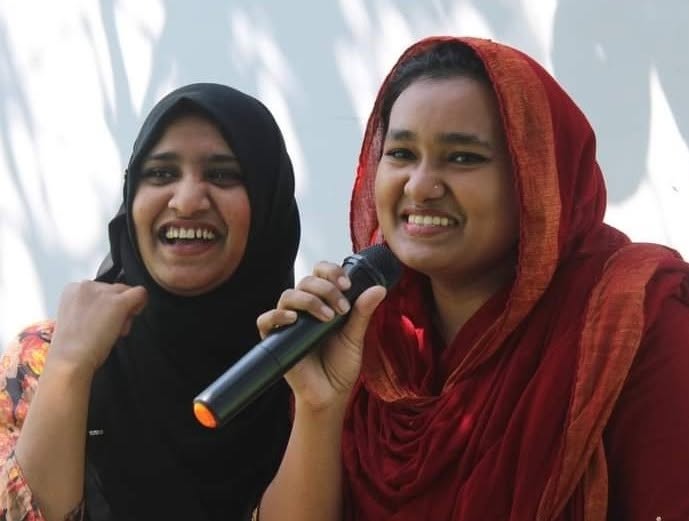
Girls in EDS learn to speak up, share their opinion, take the front seat and lead.

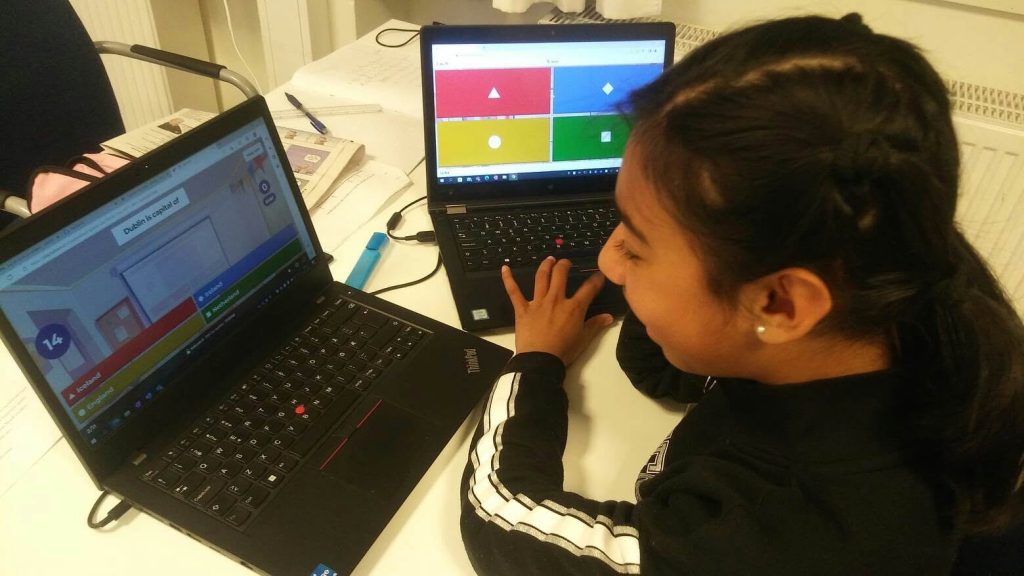
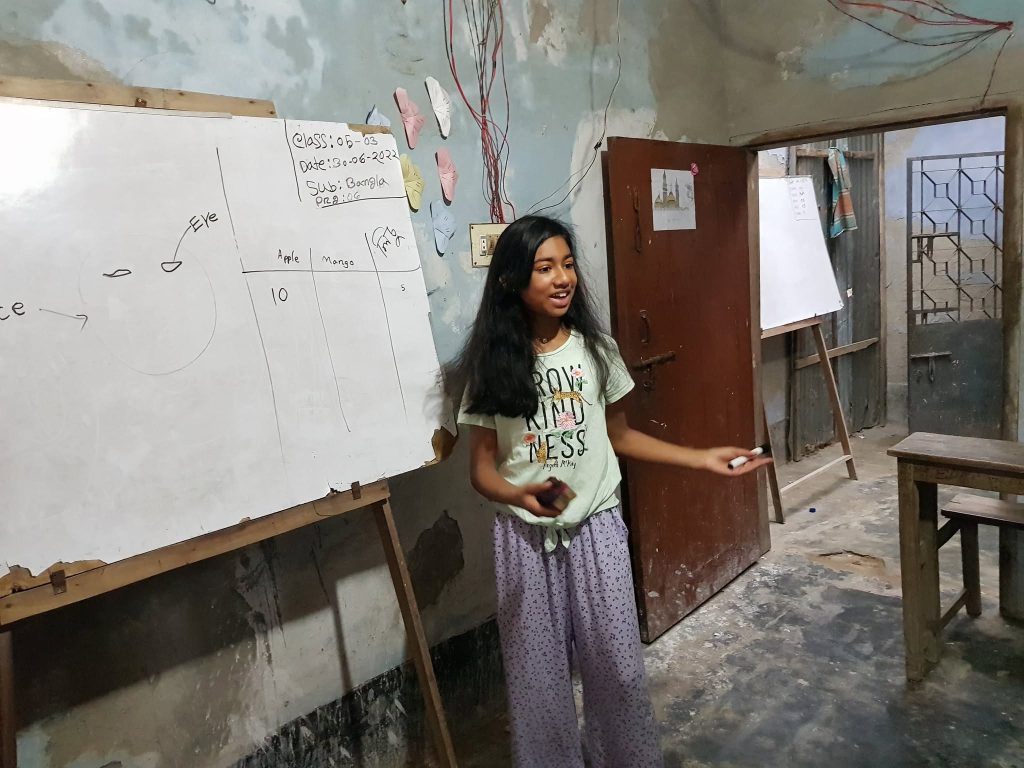
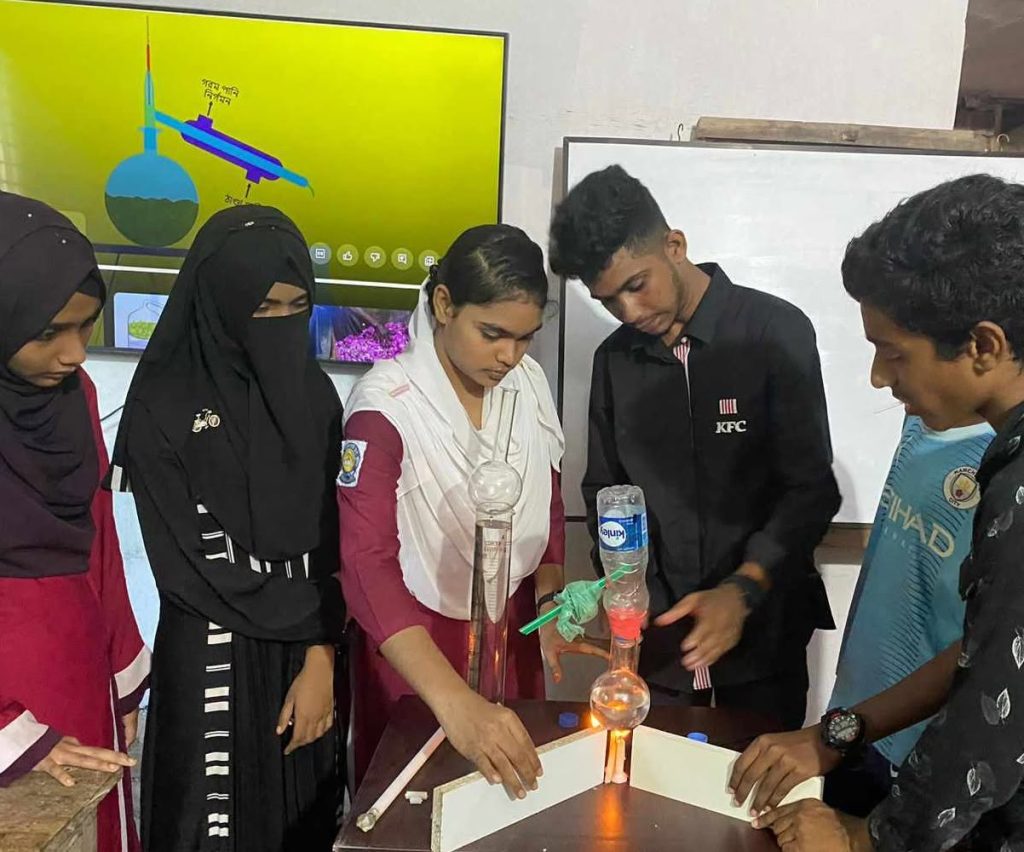
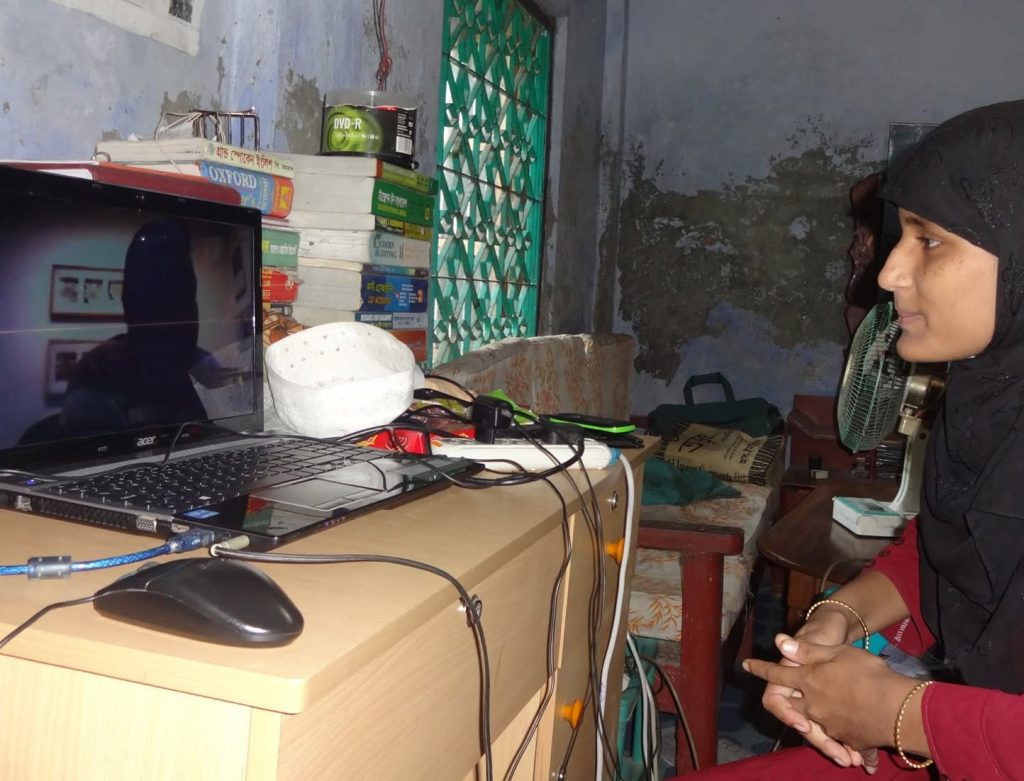
They love using ICT to create interactive classes. They empathically bond with their students and create psychologically safe learning environments.

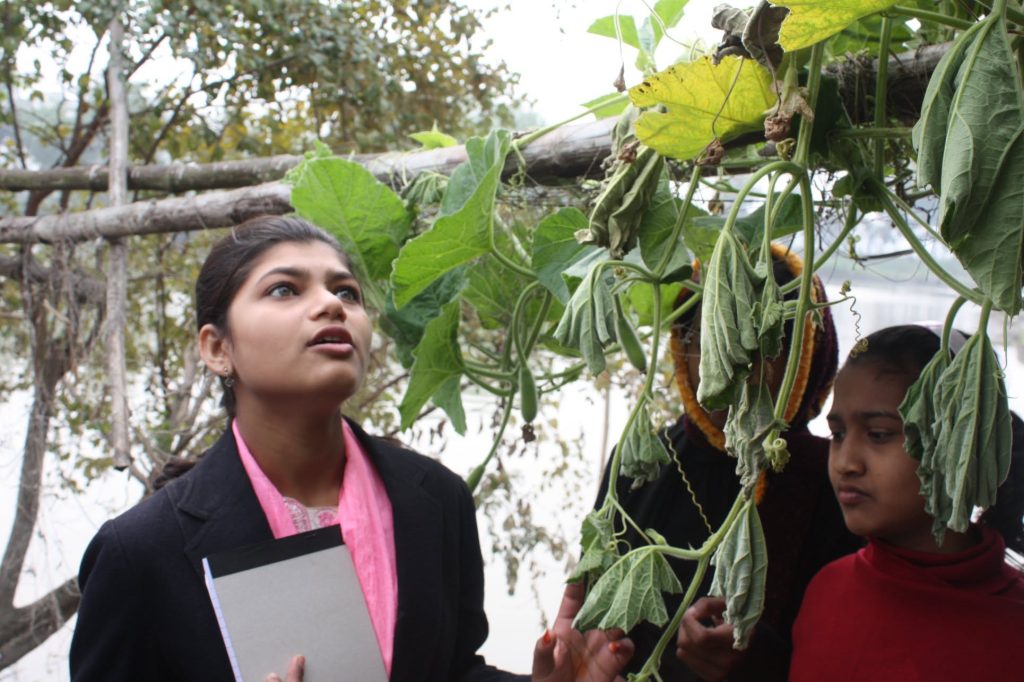
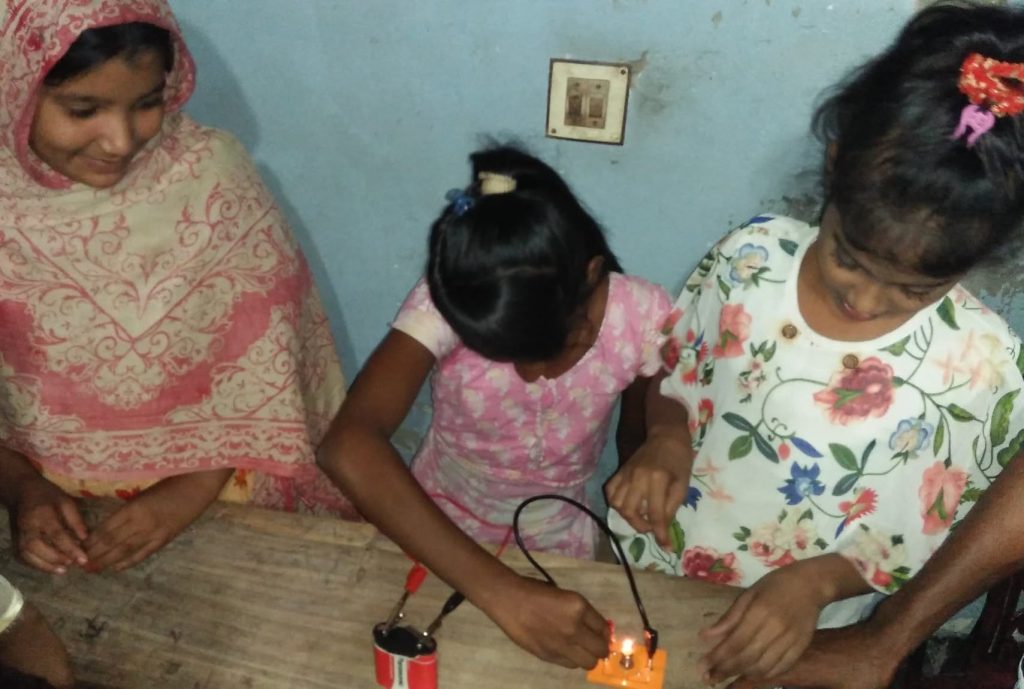
They love learning science through experimenting, exploring the ecosystem and discussing their findings.

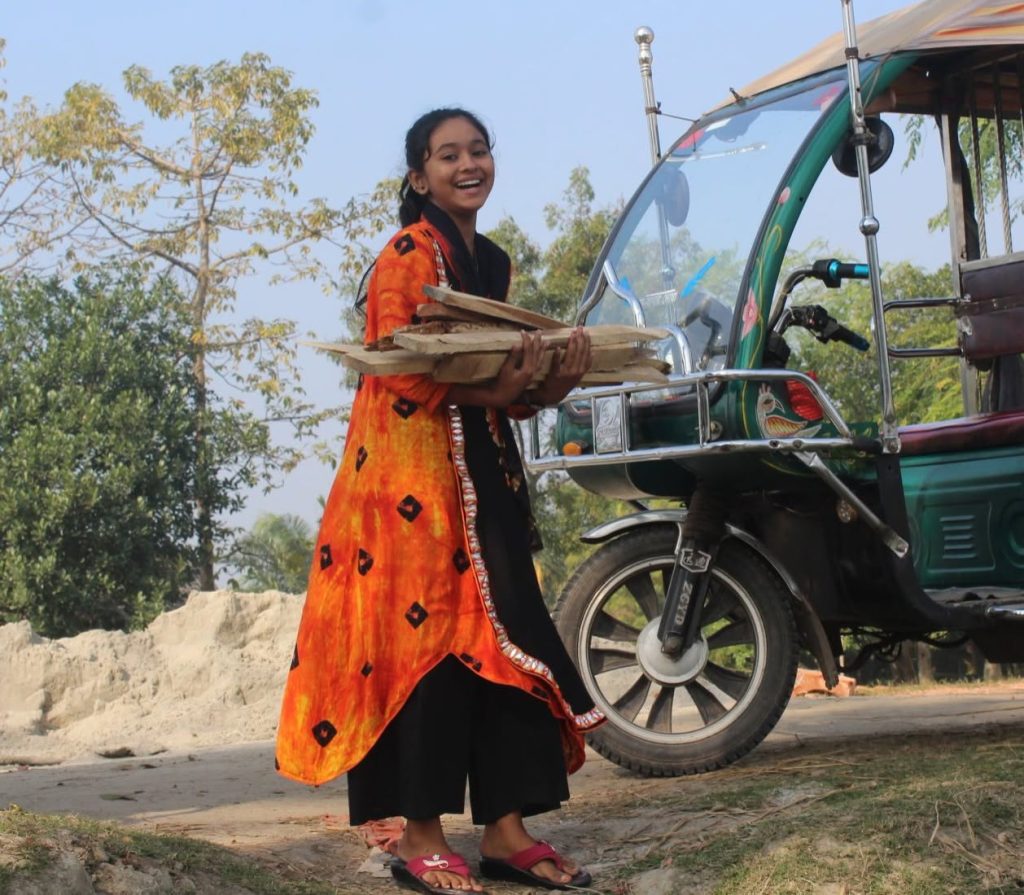
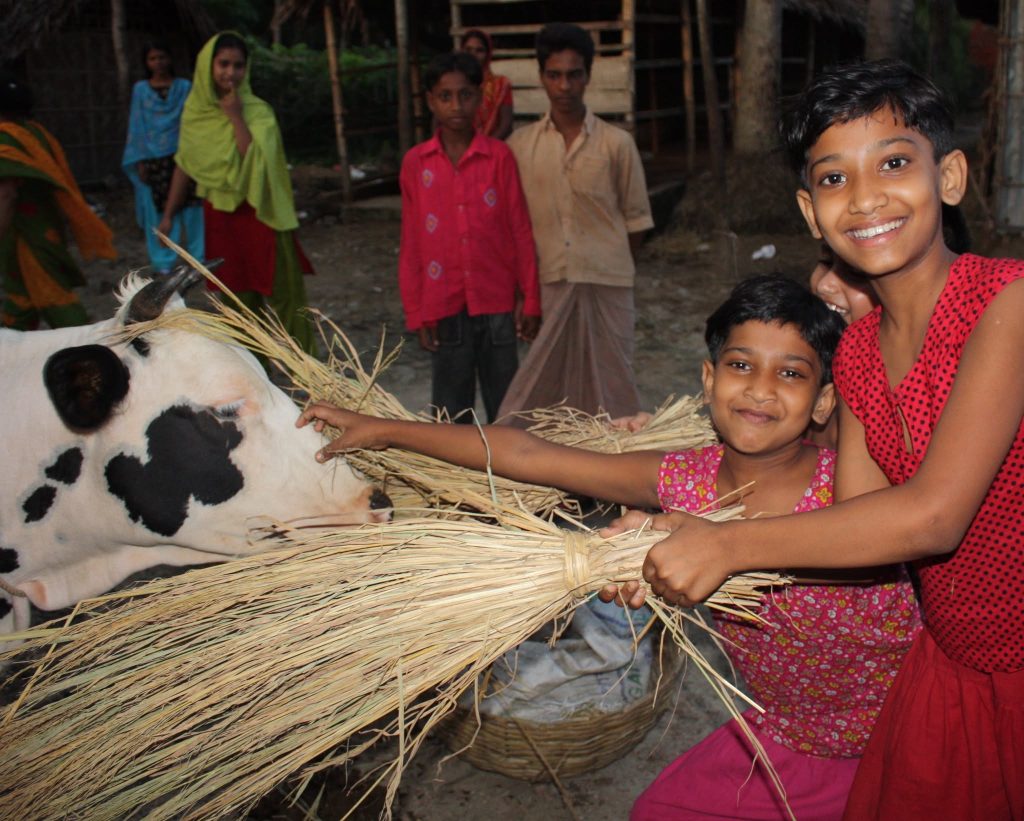
Girls love to play and Eds provides safe spaces for that.

Our female head of the Women empowerment group, Saima, is a role model who uses her personal experience to show our girls there is hope, they can transform their own situation, get higher education, become independent and reach their dreams.

Saima has always loved adventures, to play and do sports. She has an energetic, bubbling and fun mentality. When this contradicted the conservative expectations of how a women should behave (obedient, not play or do sports, stay indoors, do household chores), it created tension in her family, leading to people harassing her.

Saima used to think that the aim of life was to marry, have children and stay at home like a housewife, to clean and cook. All the women she knew had done this, so she assumed that was her life too. At 16, she refused to marry the man her parents had planned for her, because she wanted to continue her education.

Due to her commitment to education and to not marry early, Saima faced negative social control and violence from her family, and harassment from teachers to the extent that she became depressed, did not see any meaning in life and attempted to end it several times.

Saima has transformed her mentality, studies Bachelor of accounting and dreams to get a PhD in education or psychology. She wants to get a job, become economically independent so she can take her own decisions about her life and help other girls who face the hardship she has lived through to see there is hope.
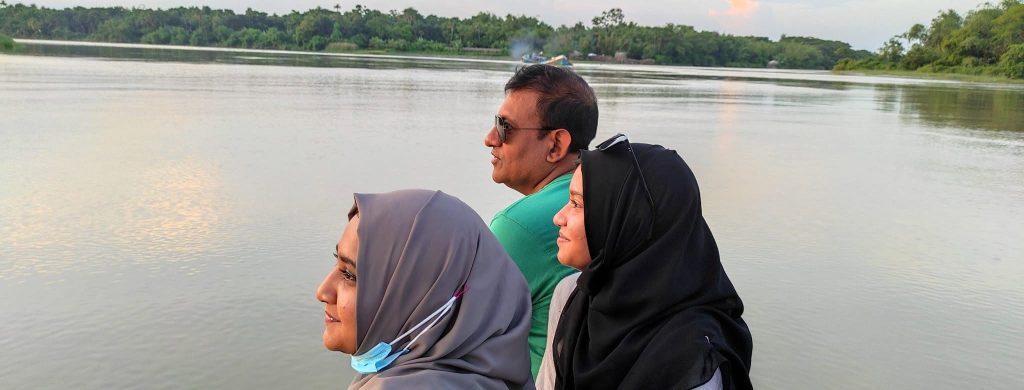
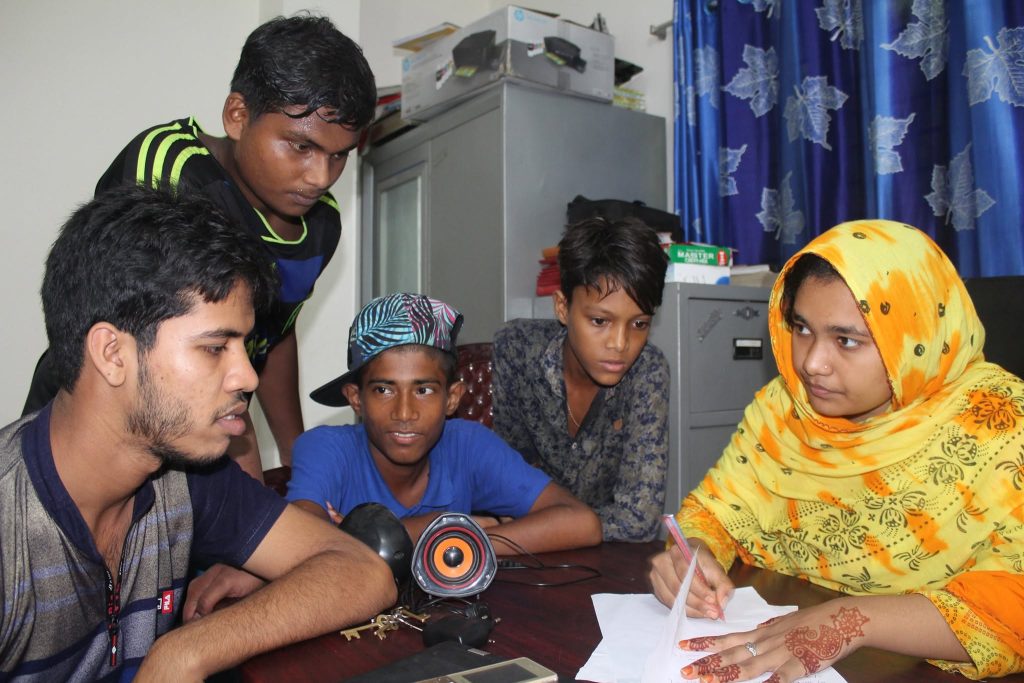
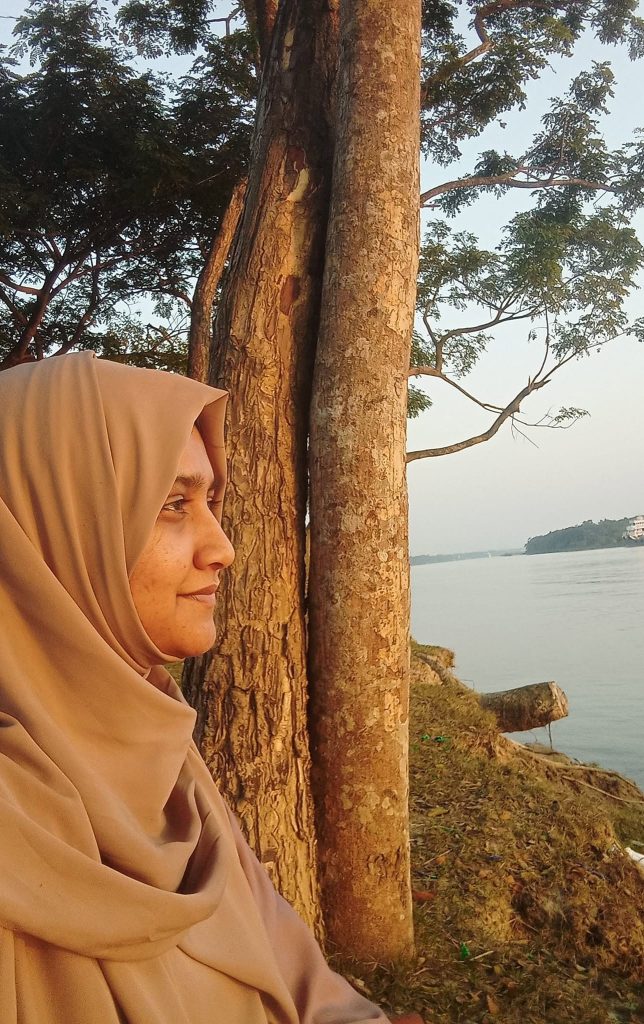
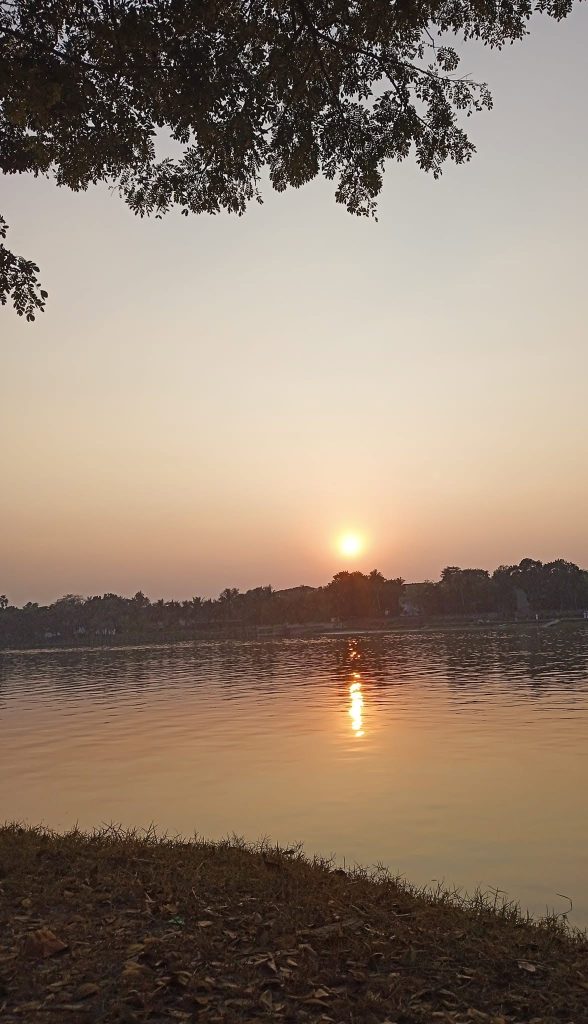
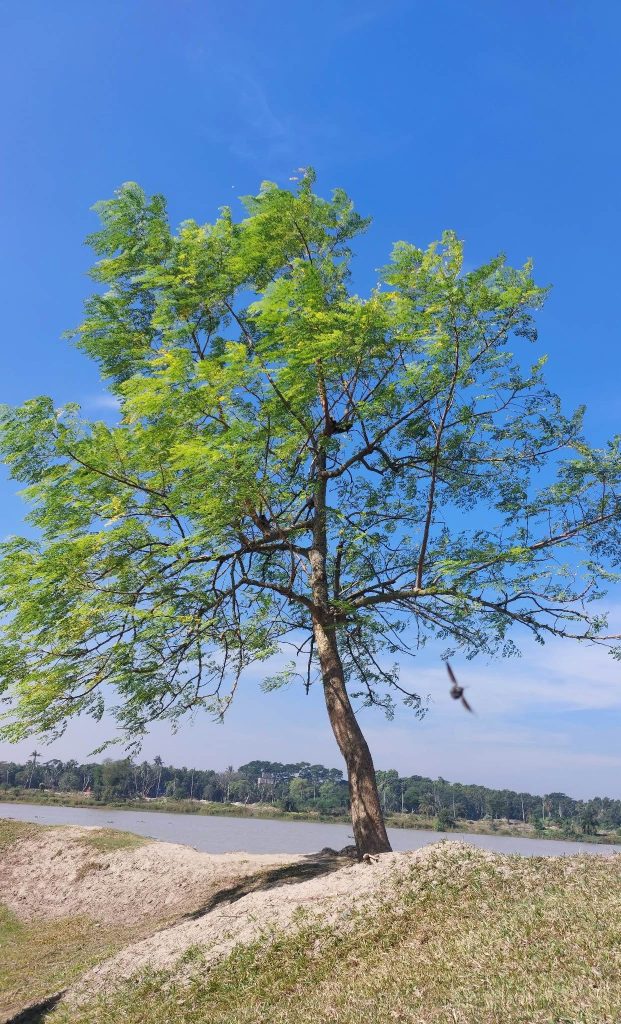
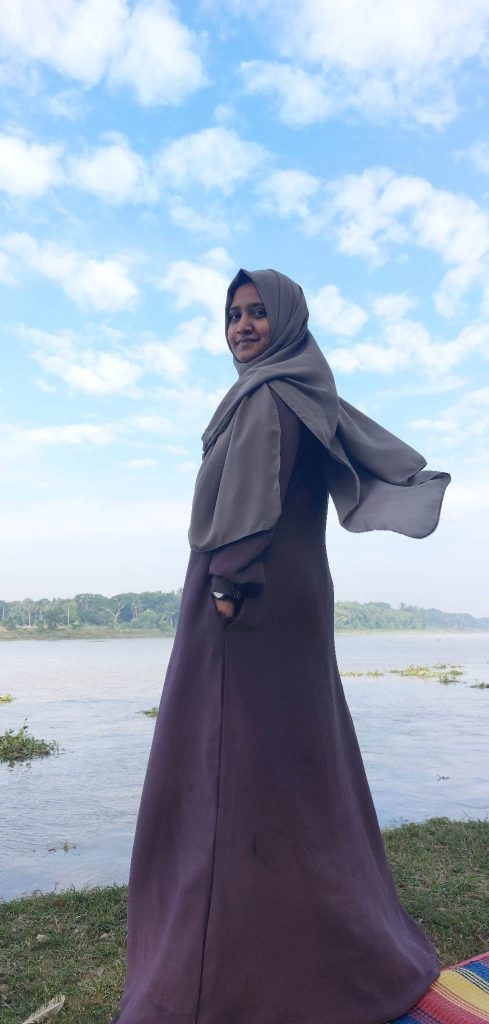
Saima regains peace, calmness and stillness by the river. She draws strength from the nature.

Saima embodies the life affirming values love, freedom, hope, empowerment, democracy, social justice and joy through her actions.

Saima is a role model who mentors girls and women to see their value and how education can give them freedom. She is committed to stop child marriage, create equality and access for vulnerable girls to higher education, good health care and jobs. She mentors the girls to become independent, female role models and leaders.


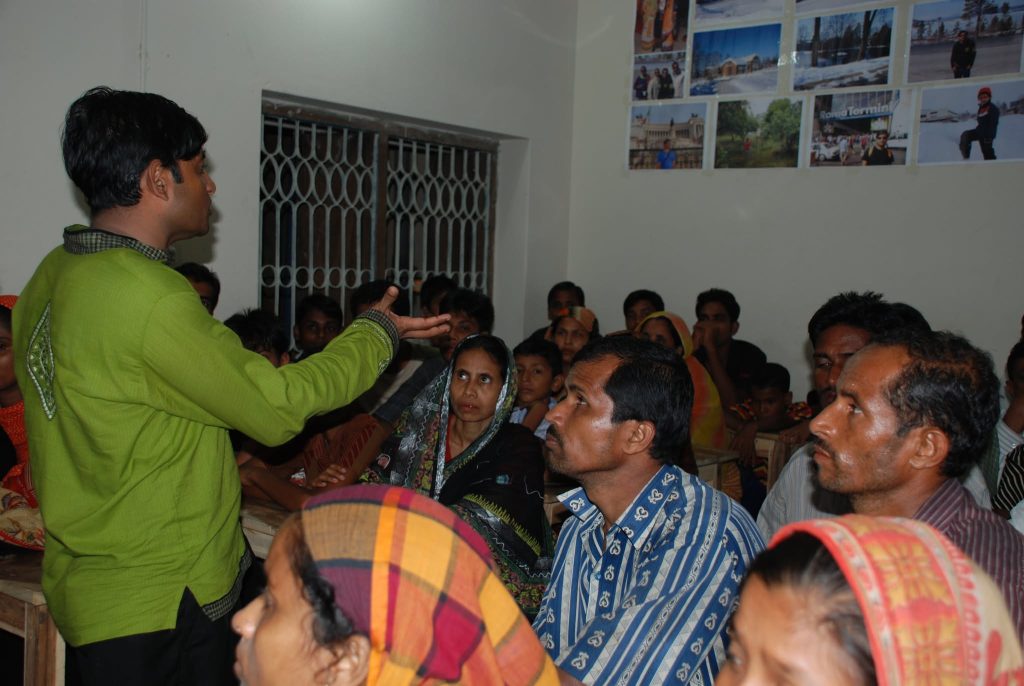
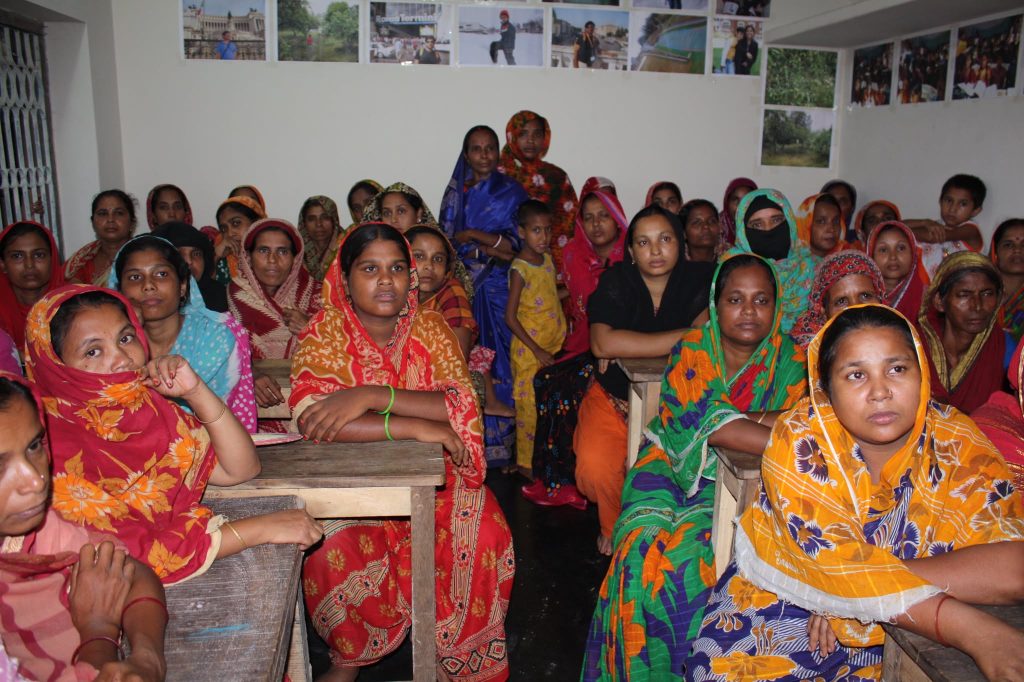
Saima and her women empowerment group of younger girls, mentor other EDS girls about the importance of education, empowerment, physical and mental health, safety and how to envision themselves as independent women who have higher education and jobs. They also arrange parent meetings to raise awareness of the importance of education and to stop child marriage.

Saima brings EDS girls to her place of serenity and mentors them to become leaders.

Motivating parents to send their children, especially their girls, to EDS and school

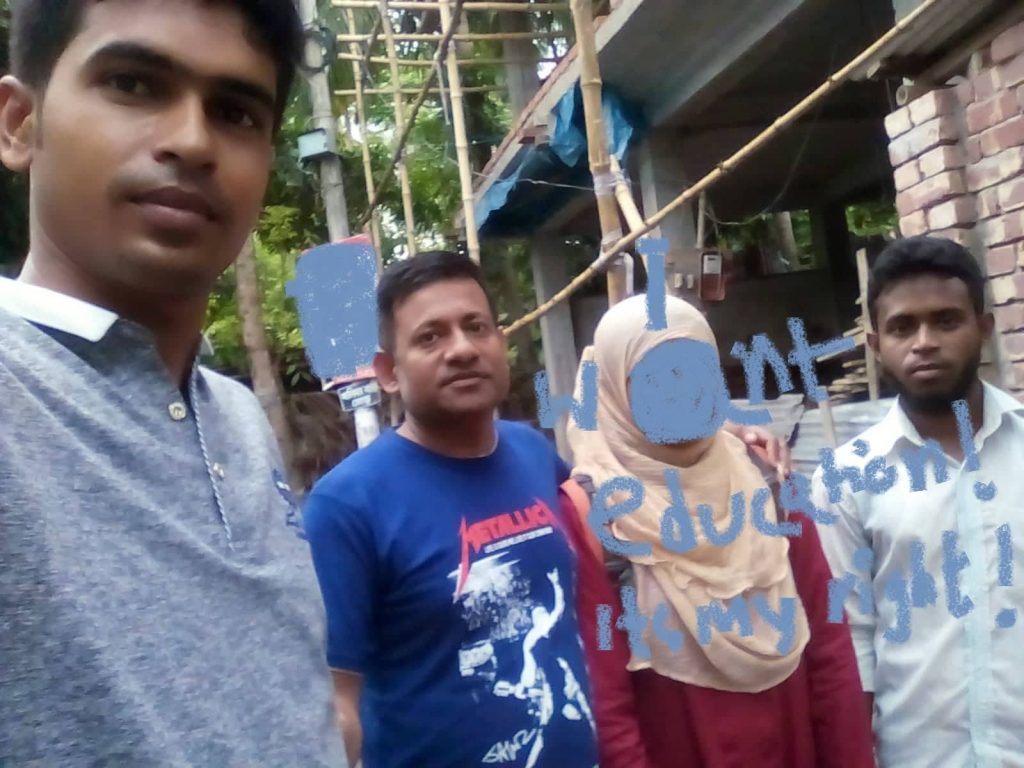
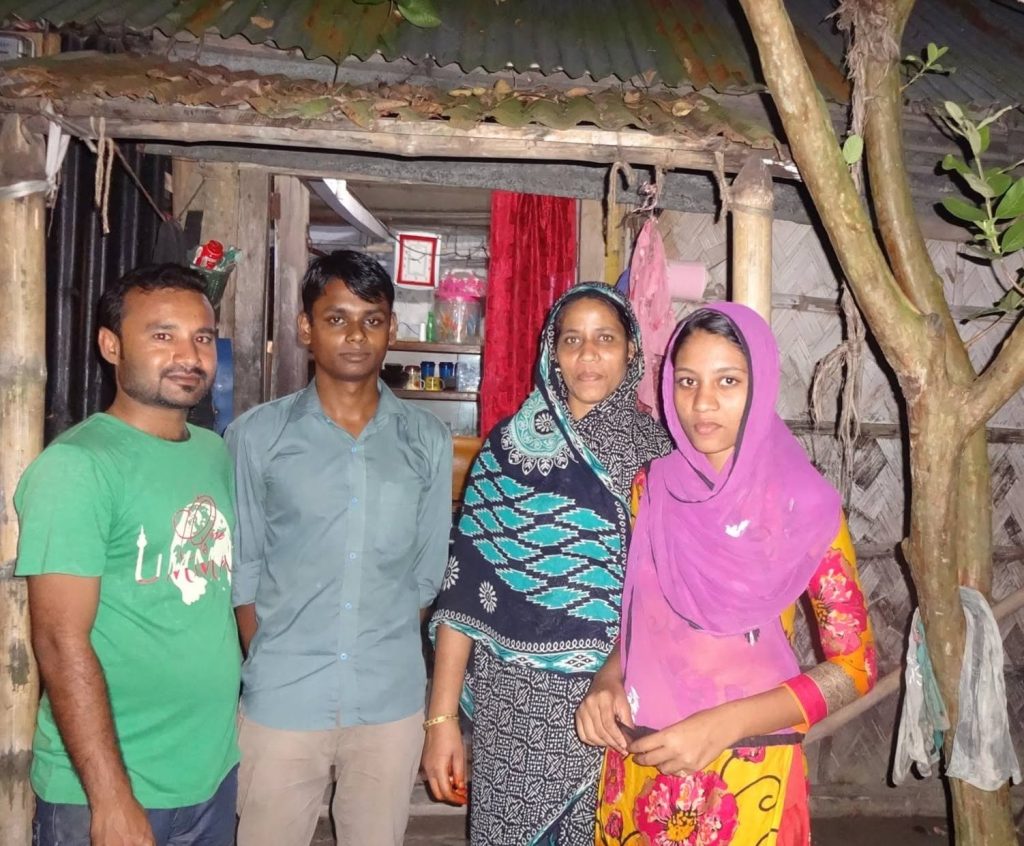
Our boys support our girls to get education and participate actively in EDS meetings and activities by encouraging them to voice their opinions and ensuring their safety in EDS and the streets.

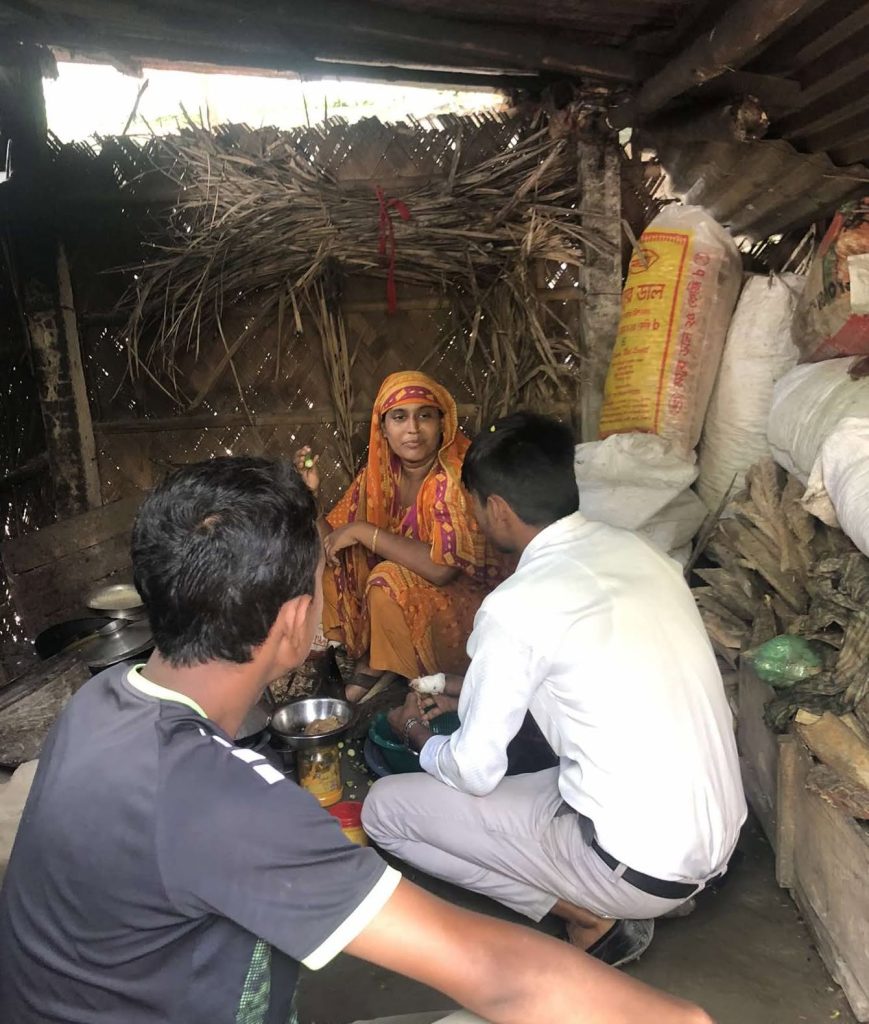
Due to the trusting bond EDS female and male teachers have built with their students, the students feel secure to share when they need help to solve conflicts in their family, stop child marriages or face challenges in school.

Girls who asked EDS for help to escape a child marriage (left) and domestic abuse (middle). EDS boys ensuring girls get home safely after EDS evening classes (right).

Results

Due to our safe environment in EDS and how our change agent stake care of the EDS girls and have built trusting relations to the girls’ parents, around 70-80% of our students are girls. EDS girls have realized they have a choice, a voice and that their opinions matter. They take the floor in EDS meetings and participate actively. They have learned to set healthy boundaries and take care of their physical and mental health. Our dedicated change agents have stopped child marriages, prevented school dropouts and due to them, many former EDS female students now take higher education.

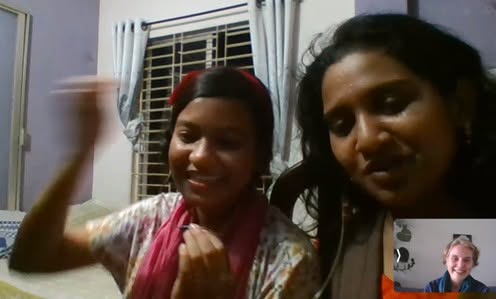
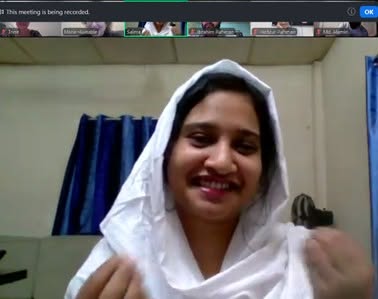
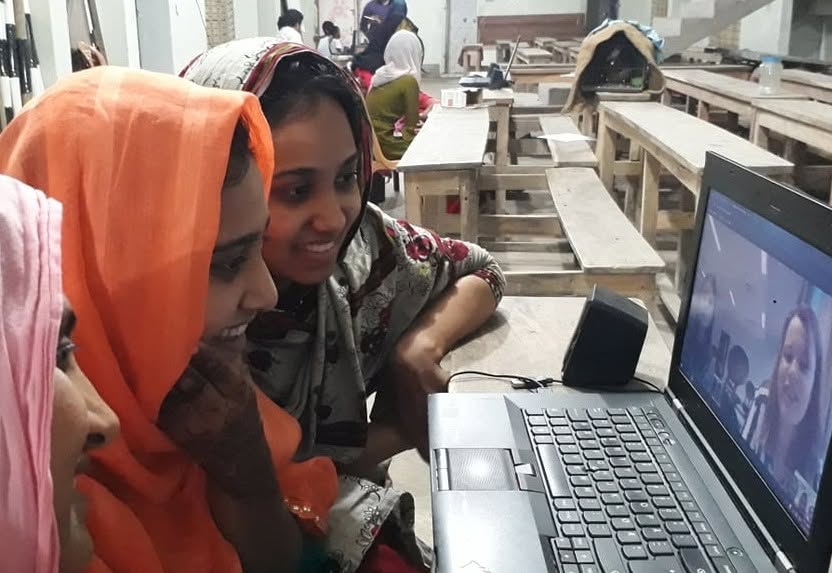
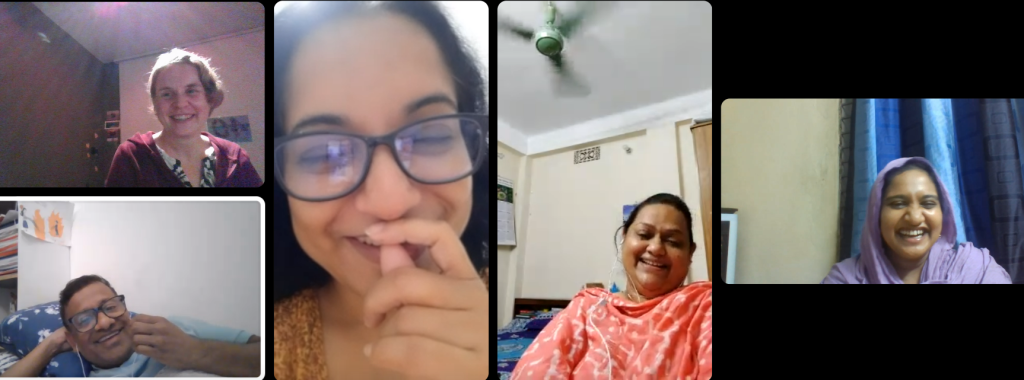
Saima and Khushboo discussing with Trine how to develop girls as leaders (left). Saima inspiring Norwegian students about the importance of education and how everyone can do something to create an inclusive environment in class and in their community (middle). Saima sharing with Professor Jack Whitehead, university of Cumbria UK and Head Editor Marie Huxtable PhD, University of Cumbria UK how she and the Women empowerment group creates development for girls (right). 

Saima and Khushboo discussing with Trine how to develop girls as leaders (left). Saima inspiring Norwegian students about the importance of education and how everyone can do something to create an inclusive environment in class and in their community (middle). Saima sharing with Professor Jack Whitehead, university of Cumbria UK and Head Editor Marie Huxtable PhD, University of Cumbria UK how she and the Women empowerment group creates development for girls (right).